

Intro

Philadelphia residents are battling a surge of toxic habits that sap daily energy, from endless screen time to poor sleep routines. But a growing number are turning to breathing oxygen clarity, a simple breathwork technique that sharpens mental focus and boosts vitality. New data shows 35% of locals report higher stress levels this year, per a recent survey by the American Psychological Association. This shift is reshaping how Philadelphians combat fatigue in a fast-paced city.
The Rise of Energy-Draining Routines

In Philadelphia, toxic habits like constant multitasking and caffeine overload are hitting hard. Workers in Center City offices often juggle emails while skipping breaks, leading to burnout. A study from the University of Pennsylvania highlights how these patterns disrupt natural energy cycles, causing widespread exhaustion. Residents describe feeling drained by midday, with little left for family or hobbies.
Experts point to urban stressors amplifying the issue. Traffic jams on I-95 and noisy neighborhoods add to the toll. “It’s a cycle,” says Dr. Elena Torres, a local wellness coach. “Bad habits feed fatigue, and fatigue fuels more bad habits.” Without intervention, these routines can lead to chronic health problems.
How Breathing Oxygen Clarity Counters the Drain

Breathing oxygen clarity involves deliberate, deep inhales to enhance oxygen flow and mental sharpness. Practitioners in Philadelphia swear by it for reclaiming energy. Unlike quick fixes, this method promotes sustained calm by regulating the nervous system.
Local gyms and apps now offer guided sessions, making it accessible. A report from the Centers for Disease Control and Prevention notes that mindful breathing reduces cortisol levels, directly combating stress-induced fatigue. Users report clearer thinking after just 10 minutes daily.
Common Toxic Habits in Philly Life

One major culprit is digital overload. Philadelphians average over seven hours on devices daily, per Pew Research data. This constant connectivity fragments attention and drains mental reserves. Another is irregular eating, with many grabbing fast food amid hectic schedules, spiking blood sugar crashes.
Social isolation creeps in too, as remote work limits face-to-face interactions. “People are lonelier than ever,” notes a community health worker in South Philly. These habits erode resilience, leaving individuals vulnerable to daily pressures.
Real Stories from Philadelphia Streets
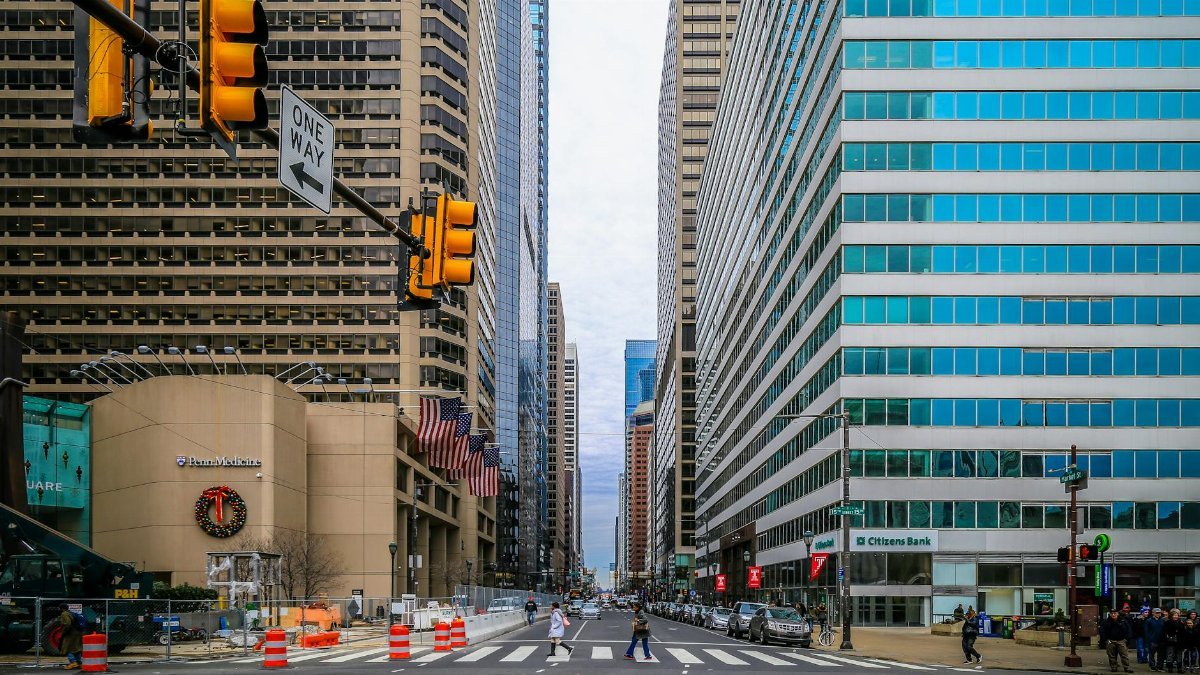
Take Mark Johnson, a 42-year-old teacher in Fishtown. He used to crash every evening from grading papers late into the night. After adopting breathing oxygen clarity routines, he gained hours of productive energy. “It’s like flipping a switch,” Johnson says. His experience echoes many in the city.
Similarly, nurse Carla Ruiz in Kensington found relief from shift work fatigue. By incorporating short breathwork breaks, she improved her focus during long hours. These anecdotes show how targeted changes can reverse energy loss.
Expert Tips to Break the Cycle

Start small, advise Philadelphia-based therapists. Replace scrolling with a five-minute breathing exercise. Track habits in a journal to spot patterns. “Awareness is key,” explains psychologist Dr. Raj Patel.
Incorporate movement, like walks in Fairmount Park, to complement breathwork. Nutrition plays a role too; opt for balanced meals over sugary snacks. Consistency builds momentum, turning toxic routines into energizing ones.
The Broader Impact on City Health
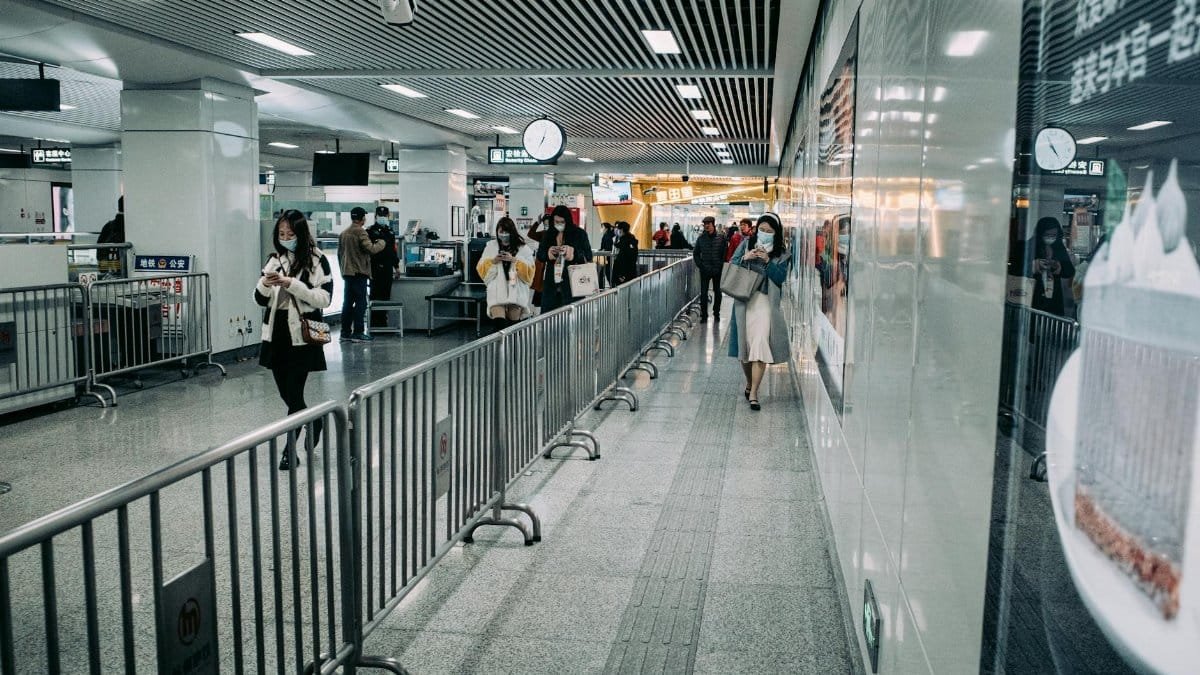
In 2025, Philadelphia’s public health initiatives are spotlighting energy management. City programs promote breathwork workshops in community centers, aiming to lower stress-related illnesses. Data from the National Institutes of Health supports this, linking better breathing to improved overall well-being.
Economic effects are notable too. Fatigued workers cost businesses in productivity losses. By addressing toxic habits, the city could see a healthier, more vibrant population.
Challenges in Adopting New Practices

Not everyone finds it easy. Busy schedules deter consistent practice, and skepticism lingers among traditionalists. “It sounds too simple,” admits one skeptic. Environmental factors, like pollution in industrial areas, complicate deep breathing efforts.
Overcoming these requires community support. Local groups are forming to share successes, helping newcomers stick with breathing oxygen clarity.
Looking Ahead for Philadelphians

As awareness grows, more resources emerge. Apps and online courses tailor breathwork to urban lifestyles. In 2025, expect expanded access through employer wellness programs. The goal: empower residents to ditch draining habits for good.
Ultimately, breathing oxygen clarity offers a practical path to resilience. Philadelphia’s embrace of it signals a positive shift toward calmer, more energized living.