
In a city buzzing with endless nightlife and high-stakes hustle, Miami residents are grappling with toxic habits that sap their vitality. New data from a 2024 wellness survey reveals that 68% of locals report chronic fatigue linked to poor lifestyle choices. Enter the energy flexibility movement—a growing trend emphasizing adaptable routines to reclaim energy and build resilience. This approach, blending mindfulness and physical practices like yoga, is gaining traction as Miamians seek ways to combat daily drains and foster calmer, more balanced lives.
Identifying Energy-Draining Habits

Miami’s fast-paced vibe often masks subtle thieves of energy. Constant screen time, for instance, keeps many wired late into the night, disrupting sleep cycles. Over-reliance on caffeine and sugary fixes provides short bursts but leads to crashes. Social pressures to keep up with the party scene exacerbate burnout. The energy flexibility movement counters this by promoting awareness of these patterns, encouraging small shifts toward sustainable habits.
The Role of Stress in Energy Loss

Stress is a silent saboteur in the Magic City. With traffic jams and demanding jobs, it’s no wonder cortisol levels spike. Chronic stress depletes mental reserves, leaving people irritable and exhausted. According to experts, unmanaged tension can reduce productivity by up to 40%. The energy flexibility movement addresses this through techniques like deep breathing and flexible scheduling, helping individuals adapt to stressors without total depletion.
How Poor Nutrition Fuels Fatigue

In a foodie haven like Miami, tempting eats abound, but not all nourish. Skipping meals or loading up on processed foods drains energy stores. Nutrient deficiencies, such as low iron or B vitamins, compound the issue, leading to sluggishness. A study from the Centers for Disease Control and Prevention highlights how balanced diets sustain energy. The movement advocates for intuitive eating, flexing meal choices to match daily needs.
The Impact of Sedentary Lifestyles

Desk jobs and beach lounging might seem relaxing, but inactivity erodes energy over time. Muscles weaken, circulation slows, and motivation dips. Miami’s warm weather invites outdoor activity, yet many stick to indoor routines. Research from the National Institutes of Health shows that regular movement boosts endorphins and vitality. Energy flexibility encourages incorporating short, adaptable exercises like walking breaks to recharge without rigid gym commitments.
Social Media’s Hidden Toll

Scrolling through Instagram feeds of glamorous Miami life can spark comparison and anxiety, quietly draining emotional energy. Endless notifications fragment focus, leading to mental fatigue. A 2025 trend report notes rising awareness of digital detoxes. The energy flexibility movement promotes setting boundaries, like timed app limits, to preserve mental bandwidth and foster genuine connections.
Lack of Sleep as a Core Culprit

Nights out in South Beach often mean skimping on shut-eye, a habit that accumulates debt. Adults need seven to nine hours, but many Miamians average less, impairing cognitive function. Sleep deprivation heightens risks for mood disorders and weakened immunity. Flexible sleep hygiene, a pillar of the movement, involves adjusting bedtimes to life’s rhythms rather than forcing strict schedules.
Overcommitment and Burnout

Juggling work, social events, and family in a vibrant city like Miami leads to overcommitment. Saying yes to everything spreads energy thin, inviting burnout. Symptoms include persistent exhaustion and detachment. The energy flexibility movement teaches prioritization, using tools like energy audits to identify and eliminate non-essential drains.
Yoga’s Rise in Combating Energy Loss

Yoga studios are popping up across Miami, aligning perfectly with the energy flexibility movement. Practices focus on breathwork and poses that enhance flow and resilience. Participants report reduced stress and improved focus after sessions. A 2025 wellness overview emphasizes yoga’s role in building adaptable energy reserves, making it a go-to for locals battling toxic habits.
Building Resilience Through Flexibility

At its core, the energy flexibility movement is about adaptability. Instead of rigid routines, it encourages listening to one’s body and adjusting accordingly. In Miami, where unpredictability reigns, this mindset helps maintain energy amid chaos. Simple swaps, like morning meditations over coffee runs, accumulate to prevent drainage.
Community Efforts in Miami
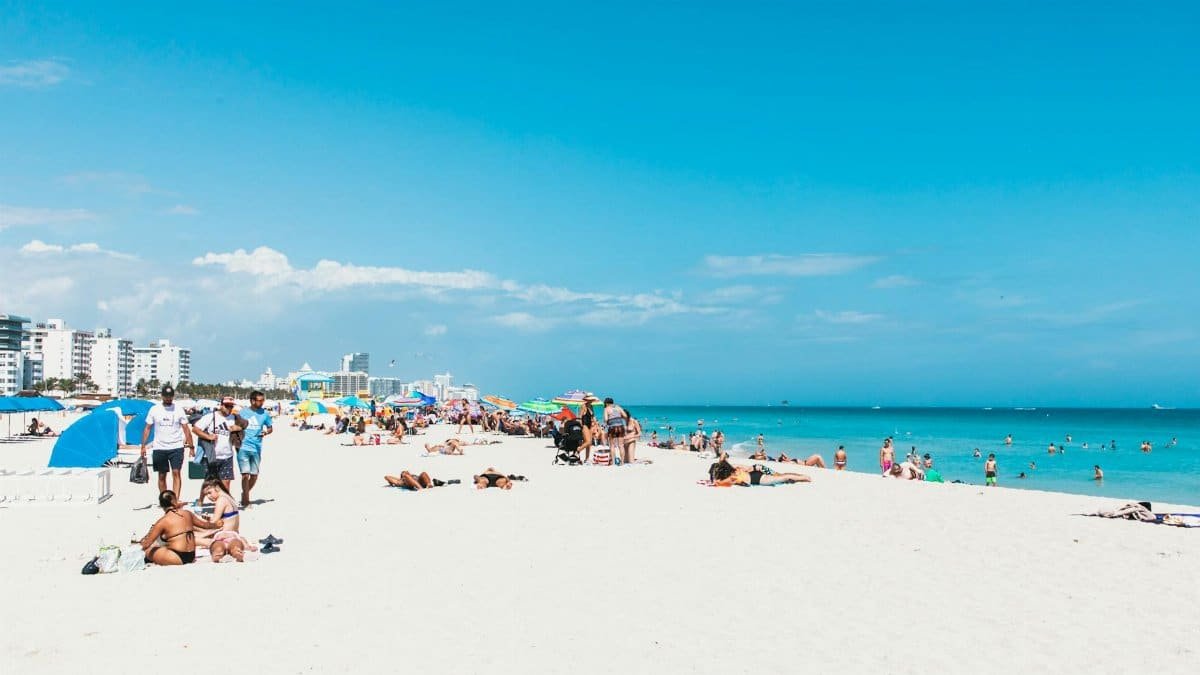
Local groups are championing the cause with workshops and meetups. From Brickell to Wynwood, events teach energy management strategies. Success stories abound, with residents sharing how ditching toxic habits revitalized their days. As 2025 unfolds, these initiatives position Miami as a hub for the movement, inspiring broader adoption.