

As the travel industry eyes 2026, Amadeus is spotlighting transformative travel trends that could reshape how we journey: the rise of long-range narrowbody aircraft, AI-driven trip design, and expanding pet-friendly policies. According to a report from Aerospace Global News citing Amadeus, these shifts are set to enhance accessibility and deliver unprecedented personalization, offering travelers innovative options that make exploration easier and more tailored than ever. In an era where flexibility and convenience reign supreme, these developments signal a brighter, more inclusive future for global aviation.
Long-Range Narrowbodies Opening New Horizons

Narrowbody aircraft capable of long-range flights represent one of the most exciting evolutions in aviation technology. Traditionally, long-haul routes have been the domain of widebody jets, but these versatile narrowbodies are changing the game by enabling airlines to serve distant destinations with smaller, more efficient planes. This shift, highlighted in Amadeus’ outlook for 2026, means more direct flights to secondary cities and underserved markets, cutting down layovers and travel times. For passengers, it translates to greater choice and potentially lower fares on routes once deemed unviable. As airlines adopt these aircraft, the travel landscape becomes more connected, fostering spontaneous getaways to far-flung spots without the hassle of connections.
AI Trip Design: The Personal Touch in Planning

Artificial intelligence is stepping in as the ultimate travel concierge, crafting bespoke itineraries that feel intuitively designed for each individual. Amadeus envisions AI trip design as a cornerstone of 2026 travel trends, where algorithms analyze preferences, budgets, and even real-time data to suggest optimal routes, accommodations, and activities. Imagine inputting your love for beach sunsets and cultural immersion, and receiving a seamless plan that weaves them together effortlessly. This technology not only saves time but elevates the entire planning process, making it less daunting and more delightful. Travelers stand to gain from hyper-personalized suggestions that align perfectly with their lifestyles, turning vacations into truly memorable escapes.
Pet-Friendly Policies Gaining Traction

Our furry friends are increasingly part of the family, and airlines are responding with pet-friendly policies that make flying with pets a smoother experience. As noted in the Amadeus trends for 2026, these initiatives include dedicated cabins, easier booking processes, and enhanced in-flight care, allowing more animals to travel comfortably alongside their owners. This welcoming approach acknowledges the growing number of pet parents who refuse to leave companions behind. The result? Families can embark on adventures together, with reduced stress for both humans and pets. Such policies underscore a broader commitment to inclusive travel, ensuring that no one has to choose between a trip and their beloved pet.
Boosting Accessibility Across the Board
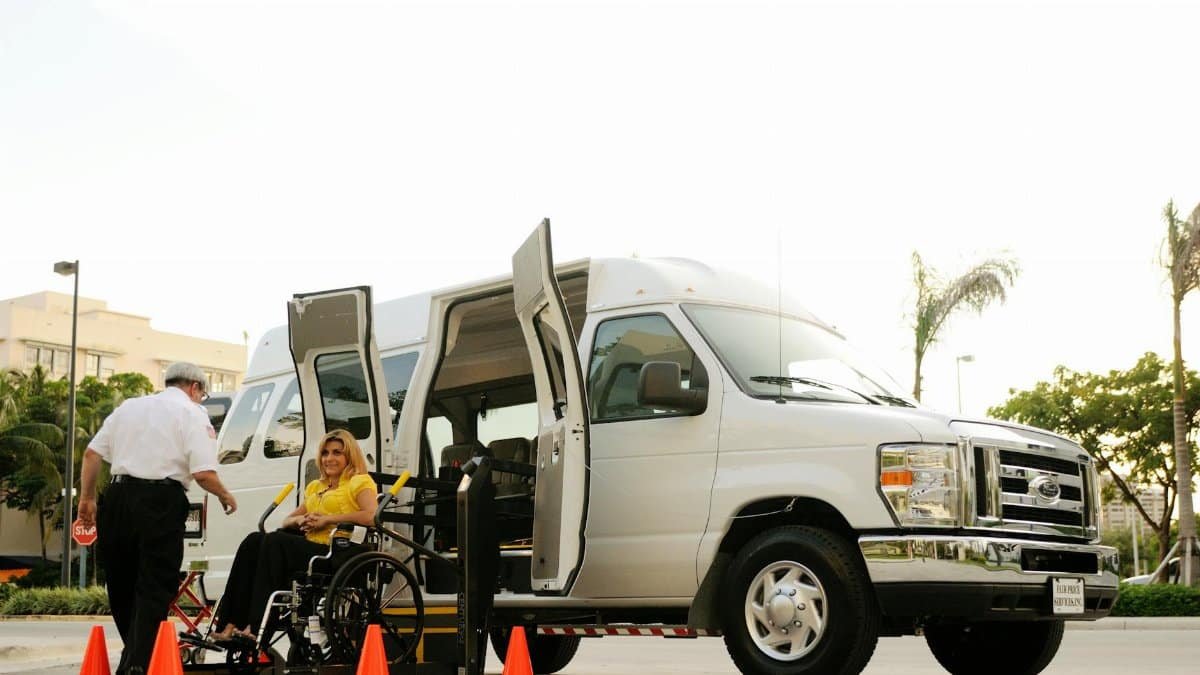
Accessibility has long been a challenge in air travel, but the trends outlined by Amadeus point to meaningful progress. Long-range narrowbodies, for instance, open up direct routes to regions previously reliant on cumbersome connections, making journeys feasible for a wider audience. Coupled with AI trip design, which can factor in mobility needs or special requirements, these innovations ensure that travel barriers are steadily eroding. Pet-friendly shifts further democratize the skies by accommodating diverse traveler profiles. Overall, these changes enhance accessibility by prioritizing efficiency and empathy, allowing more people—regardless of circumstances—to explore the world with confidence and ease.
Personalization: Tailoring Travel to You

At the heart of Amadeus’ 2026 vision lies a deep dive into personalization, powered by AI and refined aircraft capabilities. No longer are vacations one-size-fits-all; instead, every element from flight paths enabled by narrowbodies to itinerary tweaks reflects individual desires. Pet owners get options that suit their packs, while solo adventurers receive lean, customized plans. This level of tailoring, as reported by Aerospace Global News, transforms travel from a generic experience into something profoundly personal. Travelers benefit from options that feel handpicked, fostering loyalty and satisfaction in an industry often criticized for its uniformity.
Blending these elements seamlessly, airlines are poised to deliver experiences that resonate on a personal level. For context, a McKinsey report on travel personalization has shown how such targeted approaches can boost customer retention by up to 20 percent, directly supporting the gains Amadeus anticipates.
Innovative Options Empowering Travelers

The true winners in these travel trends amadeus are the passengers themselves, empowered by a suite of innovative options. Long-range narrowbodies mean more routes and flexibility, AI trip design offers effortless planning, and pet-friendly policies expand who can travel and how. Together, they create a ecosystem where choices abound, and convenience is king. Whether it’s a business traveler dodging delays or a family plotting a pet-inclusive road trip across continents, these advancements deliver tangible benefits. The emphasis on accessibility ensures that innovation isn’t elitist but reaches everyday explorers, enriching lives through easier, more enjoyable journeys.
Shifts Paving the Way for Tomorrow’s Travel

These interconnected shifts—long-range narrowbodies, AI sophistication, and pet-inclusive policies—are more than isolated changes; they’re a holistic evolution enhancing accessibility and personalization. As Amadeus forecasts for 2026, airlines embracing them will lead a new era of travel where innovation drives inclusivity. Travelers, in turn, reap the rewards of smarter, kinder skies. From reduced environmental footprints via efficient narrowbodies to AI’s predictive magic, the focus remains on human-centered progress. Looking ahead, these travel trends amadeus promise a world where flying feels less like logistics and more like liberation, inviting everyone to take wing.
In a nod to broader industry momentum, Deloitte’s insights on aviation sustainability align with how narrowbody efficiency could curb emissions on long hauls, reinforcing the accessibility benefits without compromising the planet.