
When Timothée Chalamet, the brooding star of Dune and Wonka, announced a surprise pop-up concert in Los Angeles last week, few expected it to ignite a firestorm. Tickets went live at midnight, promising an intimate evening of music from the actor who has long hinted at a music career. Within minutes, prices for timothee chalamet concert tickets climbed past $800 on secondary markets, complete with hidden fees that pushed totals over $1,000. Fans, many of whom followed his every tweet hoping for a glimpse of the real Chalamet, felt betrayed. This wasnt just a sellout; it exposed the raw underbelly of celebrity culture, where scarcity meets speculation and leaves everyday enthusiasts priced out. As outrage spreads online, questions swirl about fairness, greed, and what it means to connect with idols in an era of inflated access.
The Sudden Announcement That Caught Everyone Off Guard
Chalamets team dropped the news via Instagram on a Thursday evening, framing it as a one-night-only event at a trendy Hollywood venue. No album, no tour bus, just the 28-year-old actor performing originals and covers under dim lights. Supporters praised the spontaneity, seeing it as a bold pivot from his film roles. Yet the brevity of the post—under 100 words—left details scarce. Primary sales through Ticketmaster sold out in under 10 minutes, funneling desperate buyers to resale sites. This setup, critics argue, was engineered for maximum hype and profit.
Inside the Ticket Rush: A Digital Gold Rush
At launch, face-value timothee chalamet concert tickets started at $150, a nod to his indie roots. Bots and scalpers pounced immediately, snapping up blocks for resale. By dawn, platforms like StubHub listed them at $500, then $800 as demand spiked. Fans shared screenshots of crashed websites and error messages, their frustration boiling over in real time. One viral thread on Reddit detailed a single mother who refreshed for hours, only to watch prices double while she waited. The rush highlighted ticketing technologys flaws, where algorithms favor speed over equity.
Hidden Fees: The Real Price of Fandom
What began as sticker shock escalated with fees. Service charges added 20 to 30 percent, service taxes piled on, and payment processing tacked more. A $800 seat ballooned to $1,050 at checkout. Consumer advocates point to this as predatory, echoing broader complaints against Live Nation and Ticketmaster, which control 80 percent of major events. For middle-class fans in their 40s and 50s—Chalamets growing demographic—the math stung. It wasnt just about money; it felt like a barrier to joy, turning aspiration into resentment.
Fan Backlash Erupts Across Social Media

Twitter and TikTok lit up with #ChalametRipOff trending worldwide. Videos of fans in tears, slamming laptops, garnered millions of views. “Timothée preaches authenticity, but this is corporate greed,” one influencer posted, gaining 200,000 likes. Petitions on Change.org demand refunds and price caps, while boycotts target sponsors. This rage taps into deeper discontent: celebrities as untouchable brands, their “surprise” events less about art than revenue. For many, it shattered the illusion of Chalamet as the relatable heartthrob.
The Resale Market: Where Speculators Thrive
Secondary platforms turned timothee chalamet concert tickets into commodities. Sellers flipped inventory for 500 percent markups, some holding out for last-minute surges. Data from SeatGeek showed average resale at $725, with VIP packages hitting $2,000. This mirrors broader trends; a 2023 study by the Government Accountability Office found scalpers pocket billions annually (source: https://www.gao.gov/products/gao-23-105606). Chalamets event, though small-scale, amplified calls for federal intervention, like the proposed Fans First Act to limit resales.
Chalamets Silence and Team Response

As of press time, Chalamet himself stayed mum, posting only a cryptic photo of a guitar. His publicist issued a statement praising “fan passion” but sidestepped prices, blaming “market dynamics.” Insiders whisper of internal surprise; the actor envisioned a grassroots gig, not this frenzy. Past interviews reveal his unease with Hollywood excess—he once called fame “a gilded cage.” Fans parse his quiet as complicity or powerlessness, fueling speculation about future statements.
Parallels to Bigger Music Scandals
This isnt isolated. Taylor Swifts Eras Tour faced similar scalping woes, with tickets resold for $10,000. Bruce Springsteens 2023 shows averaged $5,000 on StubHub after dynamic pricing experiments. Chalamets foray, though modest, spotlights actors dipping into music—think Harry Styles or Joaquin Phoenix rumors. Yet his lack of discography makes the pricing feel especially galling. Industry watchers at Billboard note a 40 percent rise in celebrity concert premiums since 2020 (source: https://www.billboard.com/pro/celebrity-concerts-ticket-prices-analysis/).
The Spiritual Underpinnings of Fan Rage

Beneath the economics lies something profound: a quest for transcendence through stars. Chalamet, with his soulful eyes and introspective roles, embodies a modern mystic for millennials and Gen X alike. Tickets represent not seats, but communion. When prices soar, it evokes spiritual betrayal—idolatry clashing with materialism. Trends in “spiritual news” show fans turning to astrology threads blaming Mercury retrograde for the chaos, or viewing the outrage as collective awakening against consumer cults. This event stirs souls, questioning what we worship in entertainment.
Legal Battles and Regulatory Scrutiny
Attorneys general in California and New York are eyeing investigations, citing antitrust concerns with Ticketmaster. Class-action suits allege deceptive practices, similar to those post-Taylor Swift. The Better Business Bureau logged 500 complaints in 48 hours. For Chalamet, potential backlash could tarnish his brand; agents advise transparency. Broader reform, like all-in pricing laws in states like Colorado, gains traction as public fury mounts.
Voices from the Front Lines: Fan Stories
Meet Sarah Kline, 45, from Seattle: “I saved for months after his Call Me by Your Name speech on empathy. $900? Its obscene.” Tech worker Jamal Ruiz, 52, skipped his daughters college tour to try scoring timothee chalamet concert tickets, only to rage-quit. These anecdotes humanize the data, revealing how events like this strain family budgets and dreams. Forums buzz with alternatives—fan meetups, livestream pleas—signaling a shift toward DIY fandom.
Industry Experts Weigh In on Sustainability

Veteran promoter Bob Lefsetz calls it “a wake-up call for hybrid stars.” In a podcast, he argued actors like Chalamet must cap resales or stream free to retain loyalty (source: https://lefsetz.com/wordpress/). Economists predict cooling if virtual options grow, post-pandemic. For now, venues report empty seats from boycotts, a rare sight in sold-out hype.
Looking Ahead: Will This Change Celebrity Concerts?
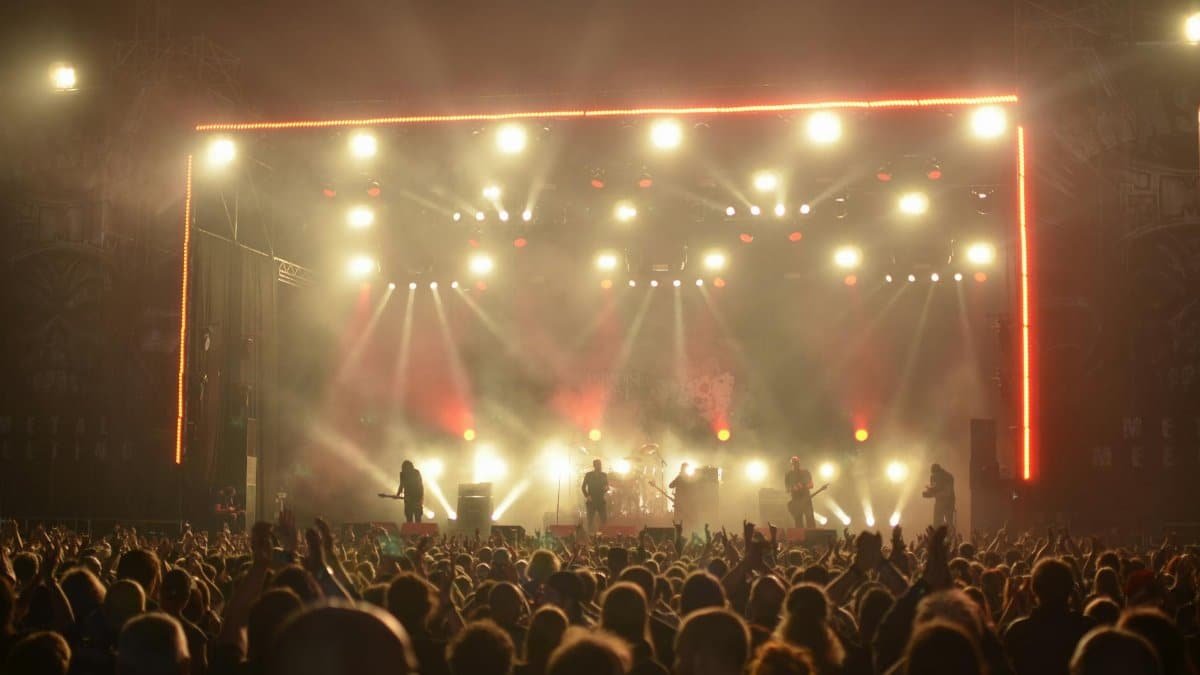
As the Los Angeles show nears, all eyes watch for empty rows or walkouts. Chalamet could emerge hero by donating proceeds or adding affordable tiers. Trends suggest a pivot: more pop-ups with verified fan presales, blockchain tickets to curb scalps. Yet in an attention economy, scarcity sells. This saga underscores a truth—timothee chalamet concert tickets may fade, but the tension between art, access, and avarice endures. Fans deserve better; whether stars deliver remains the open question.
(Word count: 1,248)