

Tiger Woods’ health continues to test the limits of resilience, even years after his near-fatal car crash. On February 6, 2026, the golf icon delivered a candid revelation: “It never stops hurting.” His reconstructed leg serves as a constant “daily reminder” of life’s fragility. This rare update on tiger woods health pierces the veil of his stoic public image, highlighting the unyielding pain that shadows his every step.
The Rare Public Glimpse

Tiger Woods rarely speaks openly about his physical struggles. On this February day in 2026, he broke that silence. His words cut through the optimism often surrounding celebrity recoveries. “It never stops hurting,” he stated plainly. This admission underscores a tiger woods health reality far removed from triumphant comebacks. Fans and analysts alike hung on every syllable, as it marked one of his most personal disclosures since the accident.
Unrelenting Pain
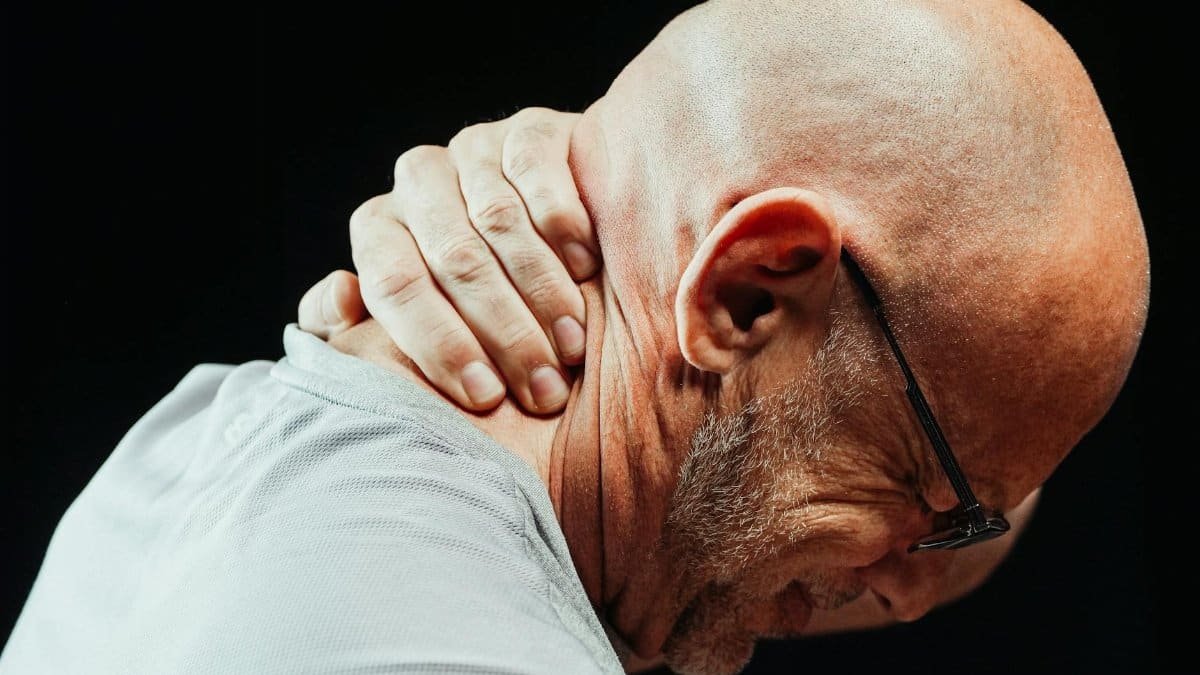
The core of Woods’ message revolves around chronic agony. His leg, pieced back together through complex surgery, betrays no mercy. Pain flares daily, a relentless companion. Woods described it without embellishment, emphasizing its permanence. This isn’t fleeting discomfort but a fixture in his tiger woods health narrative. Medical experts note such outcomes are common in severe reconstructions, yet Woods’ candor brings the issue into sharp focus for athletes everywhere.
Reconstructed Leg: A Lasting Mark

At the heart lies the leg itself—rebuilt, yet forever altered. Woods called it his “daily reminder.” Every movement reinforces the trauma’s depth. This reconstructed limb dictates his pace, limits his swing, and tests his will. In 2026, as golf evolves with tech and youth, Woods’ tiger woods health story spotlights the human cost of elite competition. His update reframes recovery not as victory, but as endurance. For more on his journey, see the Tiger Woods Official Website.
Fragility of Life Exposed

Woods’ revelation transcends golf. His leg embodies life’s unpredictability. “A daily reminder of how fragile life is,” he said. This philosophical turn adds depth to his tiger woods health update. In a sport demanding precision, one crash reshaped everything. His words resonate amid 2026’s broader conversations on athlete vulnerability. From Formula 1 wrecks to NBA injuries, Woods amplifies a universal truth: bodies break, and healing falters.
Impact on the Fairway

Though Woods didn’t detail future plans, his health status looms large. Persistent pain challenges training regimens and tournament prep. Observers watch closely as he navigates majors in 2026. His reconstructed leg influences club selection, stance adjustments—every facet of play. This update fuels speculation on his competitive edge. Yet Woods’ grit, forged over decades, suggests he won’t fade quietly. PGA records reflect his history; recent news tracks the toll. Check PGA TOUR Tiger Woods News for ongoing coverage.
Echoes in Sports Health

Woods’ story mirrors wider trends in athlete care. Chronic pain post-reconstruction affects thousands yearly. His frankness pushes for better post-injury support. In 2026, leagues invest in pain management tech, from AI diagnostics to regenerative therapies. Tiger woods health becomes a benchmark, urging transparency. Fellow pros cite his influence, crediting Woods for destigmatizing struggle.
A Reminder for Fans

Beyond stats, Woods humanizes the chase for greatness. His leg’s daily ache reminds followers of risks behind glory. This 2026 update shifts fan perspectives—from idol worship to empathy. Social media buzzed post-announcement, with #TigerWoodsHealth trending. It sparks talks on mental fortitude alongside physical rehab.
Looking at Resilience

Woods embodies defiance. Pain persists, yet he speaks out. This rare insight into tiger woods health reveals a man undeterred. His reconstructed leg, though a burden, fuels perspective. In golf’s high-stakes world, it redefines success—not perfection, but persistence. As 2026 unfolds, his voice endures, a testament to fragility met with resolve.