

In a surprising development that has reignited discussions across higher education circles in California three state senators have aligned with thousands of University of California faculty members to advocate for bringing back standardized testing in the admissions process. This move directly challenges the university systems current approach and highlights ongoing tensions surrounding UC SAT requirements. The senators all Republicans argue that without such measures the integrity of admissions could be compromised as the state grapples with questions of fairness and academic standards in public universities.
The Political Push for Standardized Testing

Republican lawmakers from the state senate have introduced measures urging the UC regents to revisit their earlier decision on test optional policies. These officials contend that standardized exams provide an objective benchmark that helps identify talent from varied backgrounds. Their letters to the board emphasize data showing correlations between test scores and later academic performance at the undergraduate level. This bipartisan tension within state government reflects broader national conversations about how public institutions should evaluate applicants amid shifting educational priorities.
Faculty Voices in the Debate

More than three thousand UC professors have signed petitions calling for the return of entrance exams as a core part of the review process. These academics from disciplines ranging from engineering to the humanities express concern that dropping tests has made it harder to distinguish among highly qualified candidates. They point to internal reviews indicating that grade inflation in high schools has reduced the reliability of transcripts alone. Their collective stance adds academic weight to the senators efforts and underscores divisions among those who shape university policy.
Impact on University Admissions

Restoring exams would likely alter how admissions offices at campuses like Berkeley and Los Angeles screen the large volume of applications received each year. Officers currently rely heavily on essays extracurricular records and personal circumstances to build classes. Reintroducing scores could streamline selections while raising new questions about access for students from under resourced schools. Observers note that any policy shift must balance efficiency with equity to avoid unintended barriers for first generation applicants.
Student Perspectives Across California

High school seniors and their families throughout the state have voiced mixed reactions to the possibility of reinstated tests. Some welcome the chance to demonstrate ability through a single exam rather than navigating subjective elements like recommendation letters. Others worry about added stress and costs associated with preparation courses that favor those with greater financial means. Community college transfers in particular see potential ripple effects on pathways into four year programs.
Historical Context of Test Policies

The University of California phased out its requirement for SAT and ACT scores during the pandemic citing concerns over testing access and health risks. Prior to that change the exams had served as one factor among many in holistic reviews for decades. Earlier studies from the system itself had shown modest predictive value for first year grades though critics highlighted disparities in average results across demographic groups. This history informs current arguments on both sides of the issue.
Alternatives to Traditional Exams

Proponents of keeping tests optional have promoted expanded use of portfolios interviews and school specific assessments to gauge readiness. These methods aim to capture creativity and resilience that multiple choice formats may overlook. Yet faculty petitioners counter that such substitutes demand significant resources and can introduce their own forms of bias depending on who evaluates them. The search for reliable alternatives continues as universities seek tools that reflect modern learning outcomes.
Potential Effects on Diversity

Advocates for test reinstatement insist that scores can actually promote broader representation when paired with contextual data about applicant backgrounds. They reference patterns where high scorers from modest circumstances gain notice they might otherwise miss. Opponents maintain that average gaps in results have historically limited enrollment from certain communities and fear a return could reverse recent gains in campus composition. Both views highlight the delicate task of crafting admissions that serve all Californians.
Economic Considerations in Higher Education

Standardized testing carries implications for state budgets and family expenses alike as preparation and administration involve real costs. Lawmakers supporting the senators proposal suggest that exams could reduce reliance on more expensive holistic review processes over time. At the same time families in rural areas or with limited internet access face hurdles in reaching testing centers or online resources. These practical factors influence how feasible any policy reversal might prove in practice.
Legislative Actions and Responses
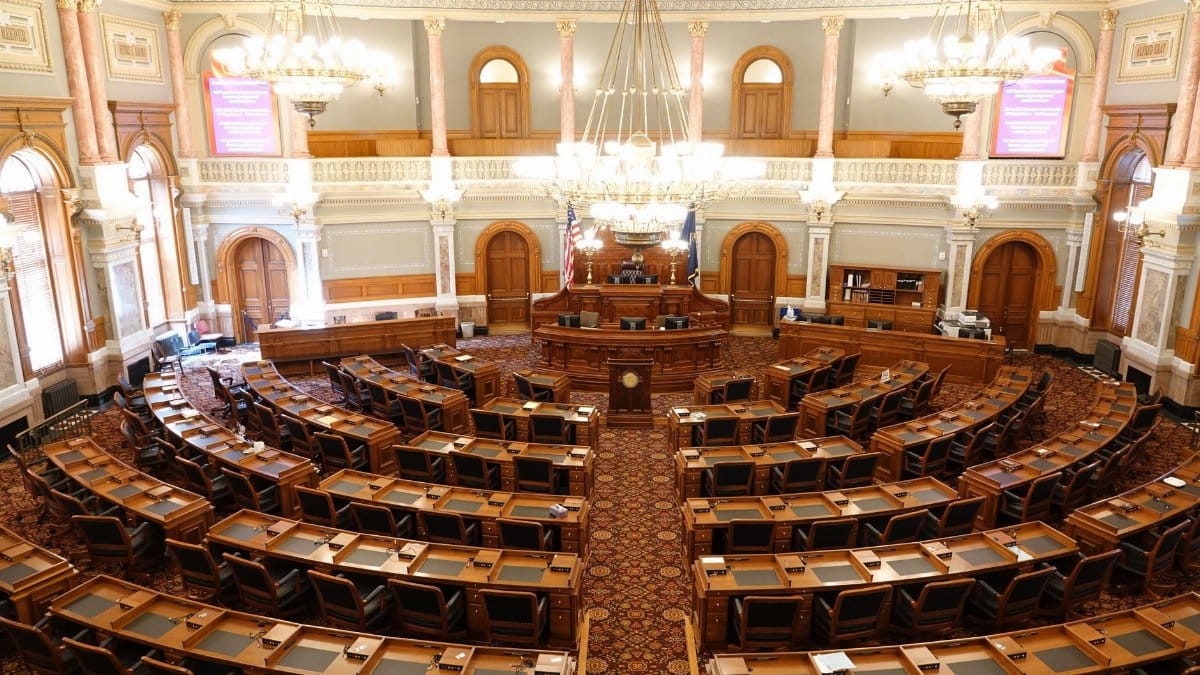
The three senators have drafted resolutions that would require legislative oversight of UC admissions standards moving forward. Regents have so far maintained flexibility on the matter citing academic freedom for the system. Hearings expected in coming months could bring testimony from students faculty and testing experts to inform future directions. This legislative involvement marks a notable expansion of state government role in university governance.
Future of Admissions at UC Campuses
Whatever the regents decide the episode illustrates enduring challenges in evaluating potential at scale within one of the nations largest public university systems. Ongoing research into test validity and equity will likely shape refinements whether exams return or new models emerge. Stakeholders from across the political and academic spectrum agree that the outcome will influence opportunities for generations of California students seeking higher education.