
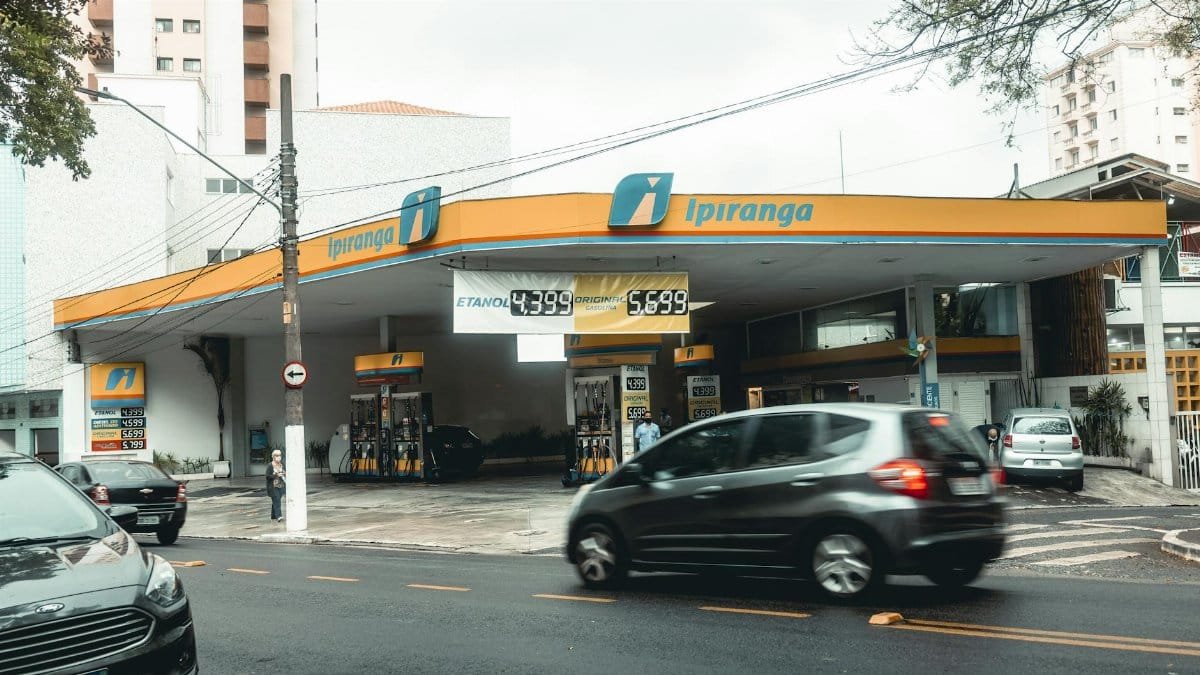
As drivers across America grip their steering wheels a little tighter, the pump’s digital display has become a daily gut punch. With tensions escalating into what many are calling the Iran War, crude oil prices have surged past $100 a barrel, pushing regular unleaded gasoline toward unprecedented levels in certain regions. A recent U.S. News analysis spotlights the highest gas prices states, where Californians now face averages exceeding $5.50 per gallon, followed closely by Hawaii and Washington. This isn’t just about filling up; it’s reshaping commutes, family budgets and political conversations in unexpected ways. For middle class households long accustomed to affordable mobility, the sting feels personal, even existential.
California Leads the Pack in Pain

California, the nation’s most populous state, tops the list of highest gas prices states with averages hovering at $5.62 per gallon as of late October, according to AAA data aggregated by U.S. News ( source ). Refinery constraints, a stringent low carbon fuel standard and heavy reliance on imported oil amplify the global shock from Middle East disruptions. San Francisco commuters report skipping weekend drives altogether, while Los Angeles truckers pass costs to grocers, inflating produce prices by up to 12 percent. Governor Gavin Newsom has floated emergency fuel imports from Asia, but critics argue it sidesteps deeper reforms like expanding domestic drilling.
Hawaii’s Geographic Curse
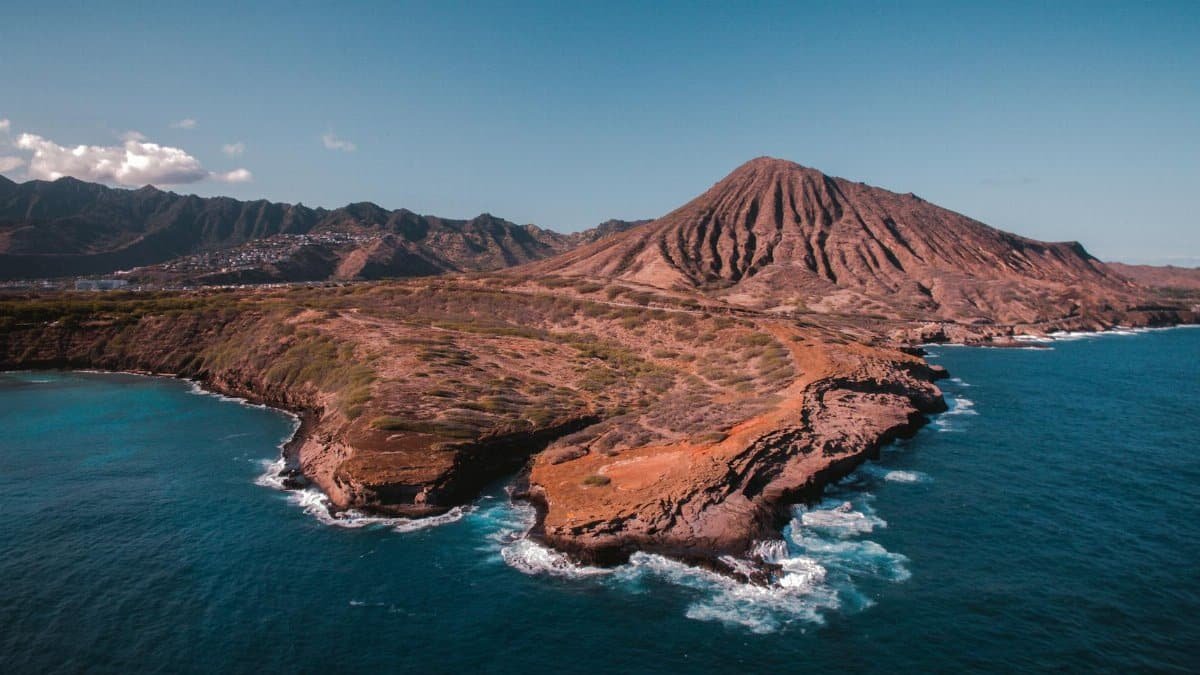
Isolated by thousands of miles of Pacific Ocean, Hawaii endures the second highest gas prices states ranking at $5.28 per gallon. Every drop arrives by tanker, making the state vulnerable to freight surcharges that spiked 18 percent post Iran conflict. Honolulu residents, many dependent on cars for island errands, have turned to carpool apps like Waze for survival. Local economist Dr. Keiko Tanaka notes in a University of Hawaii report that tourism, the islands’ lifeblood, could shrink by 15 percent if prices climb further, stranding visitors who flew in expecting aloha spirit, not empty tanks.
Washington’s Progressive Policies Backfire

In Washington state, gas averages $5.03, securing its spot among the highest gas prices states. Climate mandates, including a cap and trade program, add nearly a dollar per gallon in taxes and fees. Seattle’s hybrid driving culture offers scant relief when supply chains falter; ports handling Asian crude have slowed amid war related sanctions. Tech workers at Amazon and Microsoft, zipping between campuses, now budget an extra $200 monthly for fuel, prompting a surge in electric vehicle lease inquiries. Yet, with charging infrastructure lagging, many stick to gas guzzlers out of necessity.
Nevada’s Vegas Gamble Turns Sour

Nevada, home to Las Vegas’s neon allure, clocks in at $4.98 per gallon, rounding out the top tier of highest gas prices states. The Silver State’s tourism economy thrives on road trippers, but Strip visitors are curtailing side excursions to Red Rock Canyon. Refineries in nearby California supply much of the fuel, creating a ripple of scarcity. Gaming executives whisper of dimming lights if energy costs cascade, while locals pivot to budget airlines for short hauls. State lawmakers debate tax holidays, echoing national pleas for relief amid geopolitical turmoil.
Oregon’s Environmental Stance Meets Reality

Oregon’s $4.92 average places it firmly in the highest gas prices states cadre. Portland’s bike friendly ethos helps urbanites, but rural loggers and farmers face brutal hikes. The state’s rejection of new pipelines exacerbates dependence on volatile imports, worsened by Iran’s threats to the Strait of Hormuz. A Portland State University study projects a 7 percent drop in discretionary spending if prices hold, hitting craft breweries and food trucks hardest. Governor Tina Kotek tours affected counties, promising rebates, though skeptics see it as political theater.
Why the West Coast Dominates

A clear pattern emerges: five of the top six highest gas prices states hug the Pacific, blending regulatory zeal with import reliance. Unlike Gulf Coast refineries churning cheap fuel for the South, Western states grapple with boutique blends mandated for smog control. The Iran War has choked off Persian Gulf supplies, forcing bids on pricier alternatives from Canada and Venezuela. Energy analyst Amy Myers Jaffe at New York University explains that this regional disparity predates the conflict but now yawns wider, with Western premiums 50 cents above the national $3.89 average.
Northeast Echoes with New York and Beyond
New York, at $4.12 per gallon, sneaks into elevated territory among broader highest gas prices states considerations. Dense urban grids mitigate pain in Manhattan, but upstate truckers hauling dairy to markets feel the squeeze. Taxes here, including state and federal levies, claim 72 cents per gallon. With refineries shuttered years ago, fuel trucks from Pennsylvania strain highways. The war’s oil shock revives memories of 1970s lines, spurring Governor Kathy Hochul to eye public transit subsidies. Commuter rail ridership jumped 9 percent last month alone.
Midwest and South: Relative Breathing Room

Contrast this with Mississippi’s $3.12 or Oklahoma’s $3.18, havens from the highest gas prices states fray. Abundant pipelines and refineries shield these heartlands. Texas, producing a fifth of U.S. crude, averages $3.45, buffering families through barbecue season. Yet, even here, inflation creeps; farmers idle tractors, delaying harvests. The Iran War underscores America’s bifurcated energy map, where Rust Belt resilience meets coastal vulnerability.
Economic Ripples Hit Households Hard

Beyond pumps, highest gas prices states grapple with cascading effects. In California, a Family Budget Center analysis shows low income families forgoing 22 percent of groceries to cover fuel. Nationally, the USDA warns of higher food transport costs adding $50 monthly to average bills. Job losses mount in delivery sectors; Uber drivers in Hawaii log 20 percent fewer hours. Economists at the Federal Reserve project a 0.4 percent GDP drag if crude stays elevated, pinching retiree portfolios tuned to energy stocks.
Political Firestorm Ignites

The Iran War frames gas woes as a bipartisan flashpoint. In highest gas prices states like California, Democrats defend green transitions while Republicans demand drilling permits. President Biden’s Strategic Petroleum Reserve releases offer temporary balm, releasing 50 million barrels since October. Swing state ads in Nevada hammer the issue, with polls showing 68 percent of voters prioritizing energy independence. Congressional hearings loom, pitting solar subsidies against fracking revivals.
Consumer Strategies for Survival

Practical adaptations proliferate in highest gas prices states. Apps like GasBuddy pinpoint bargains, while community carpools flourish on Nextdoor. Electric vehicle sales spiked 61 percent year over year per Kelley Blue Book, though upfront costs deter many. Credit unions report fuel advance loans doubling, a red flag for debt cycles. Nutritionists advise meal prepping to offset pricier drives to stores, blending thrift with resilience.
Global Shadows and Future Outlook

The Iran conflict, disrupting 20 percent of world oil, casts long shadows over highest gas prices states. OPEC’s tepid response leaves prices volatile; analysts at Goldman Sachs forecast $110 barrels through 2025 absent ceasefires. Domestically, LNG exports to Europe strain U.S. supplies indirectly. Optimists eye shale booms in Permian Basin, potentially capping national averages at $4.50. For coastal dwellers, relief feels distant, demanding policy pivots or patience.
A Call for Balanced Energy Paths

As America navigates this fuel crisis, highest gas prices states illuminate fractures in the energy debate. Blending renewables with pragmatism could blunt future shocks, ensuring mobility remains a birthright, not a luxury. From Honolulu beaches to Hollywood freeways, the roar of engines persists, but quieter, smarter drives may define tomorrow.
Natasha Weber is a veteran energy reporter based in Los Angeles.