

Hunters across the U.S. face a growing threat as chronic wasting disease, dubbed “Zombie Deer Disease,” spreads unchecked. Detected now in 32 states as of February 17, 2026, this fatal prion disease ravages deer populations and sparks alarm over potential transmission to humans. Wildlife officials urge caution, warning that the disease’s relentless advance demands immediate vigilance from the field to the dinner table.
What is Zombie Deer Disease?
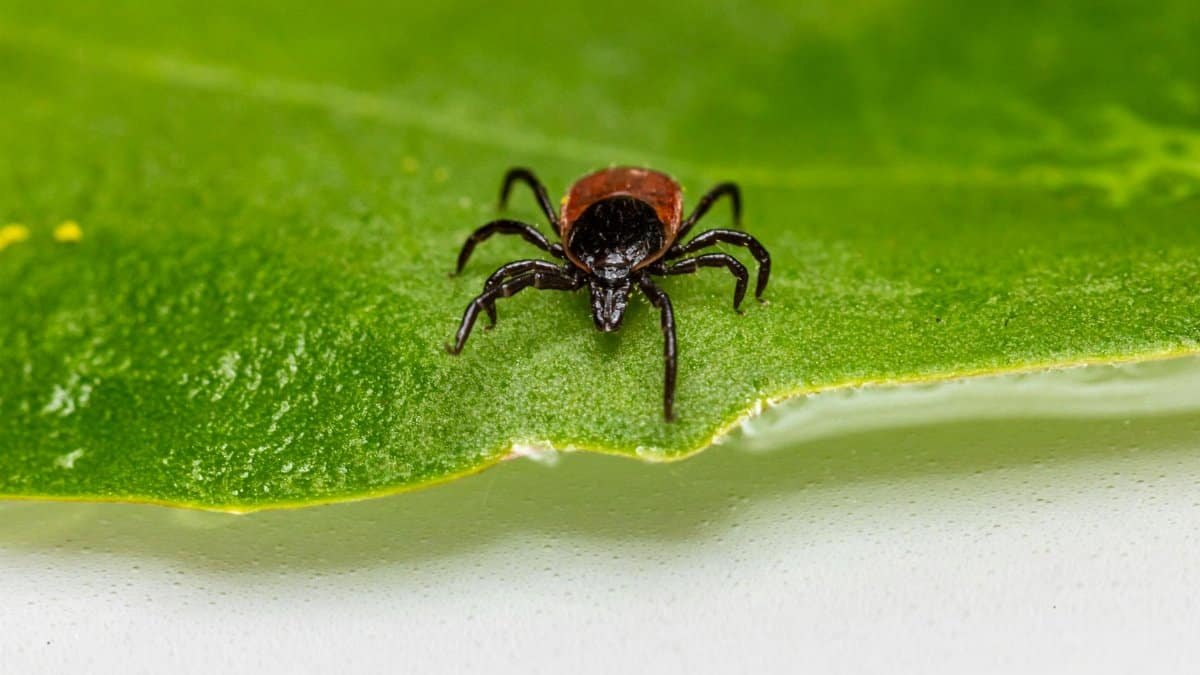
Chronic wasting disease, or CWD, strikes deer, elk, and moose with a gruesome profile. Nicknamed “Zombie Deer Disease” for its horrifying symptoms—emaciated bodies, drooling, listlessness, and erratic behavior—the illness turns healthy animals into staggering shadows of themselves. This prion disease, caused by misfolded proteins, attacks the brain and nervous system. Once infected, deer show no mercy from the pathogen. The summary highlights its fatal nature, leaving no survivors in affected herds.
Detection Reaches 32 States

The disease’s footprint has exploded. As of February 17, 2026, CWD appears in 32 states, mapping a coast-to-coast crisis. From Midwest farmlands to Western mountains, positive tests confirm its grip. Hunters report clusters in key hunting grounds, where surveillance ramps up. This milestone underscores the prion’s stealthy spread through bodily fluids—saliva, urine, feces—contaminating soil and feed for years. State agencies track cases, but the 32-state tally signals a tipping point in containment efforts.
Urgent Warning to Hunters

“Hunters beware.” That stark alert dominates updates. Field reports urge testing every harvested deer. The disease lingers in meat, posing risks during processing and consumption. Officials recommend avoiding brain and spinal tissues, where prions concentrate. In 32 states, mandatory reporting and disposal protocols tighten. Hunters in newly hit areas must adapt, ditching traditional practices to curb exposure. This punchy caution reflects the prion’s resilience—heat, disinfectants fail against it.
The Prion Menace Explained

Prions define CWD’s terror. Unlike viruses or bacteria, these rogue proteins defy standard destruction. They trigger normal proteins to misfold, chaining a fatal cascade in neural tissue. Deer shed prions environmentally, ensuring long-term hotspots. The summary flags its deadliness: 100% fatal, with incubation from months to years. No cure exists, no vaccine shields wildlife. This biology drives the U.S. spread, turning wild lands into persistent danger zones.CDC Chronic Wasting Disease Overview details prion persistence and wildlife impacts.
Fears of Human Transmission

Alarm bells ring loudest over a species jump. The fatal prion raises fears it could infect humans, mirroring mad cow disease’s path. Lab studies hint at cross-species potential, though no confirmed human cases link directly to CWD yet. Hunters consuming venison top the worry list. In 32 states, public health watches closely. Brain-like symptoms in exposed individuals fuel speculation. Regulators stress precautions, but the “could eventually jump” warning looms large.
Spread Across the US Map
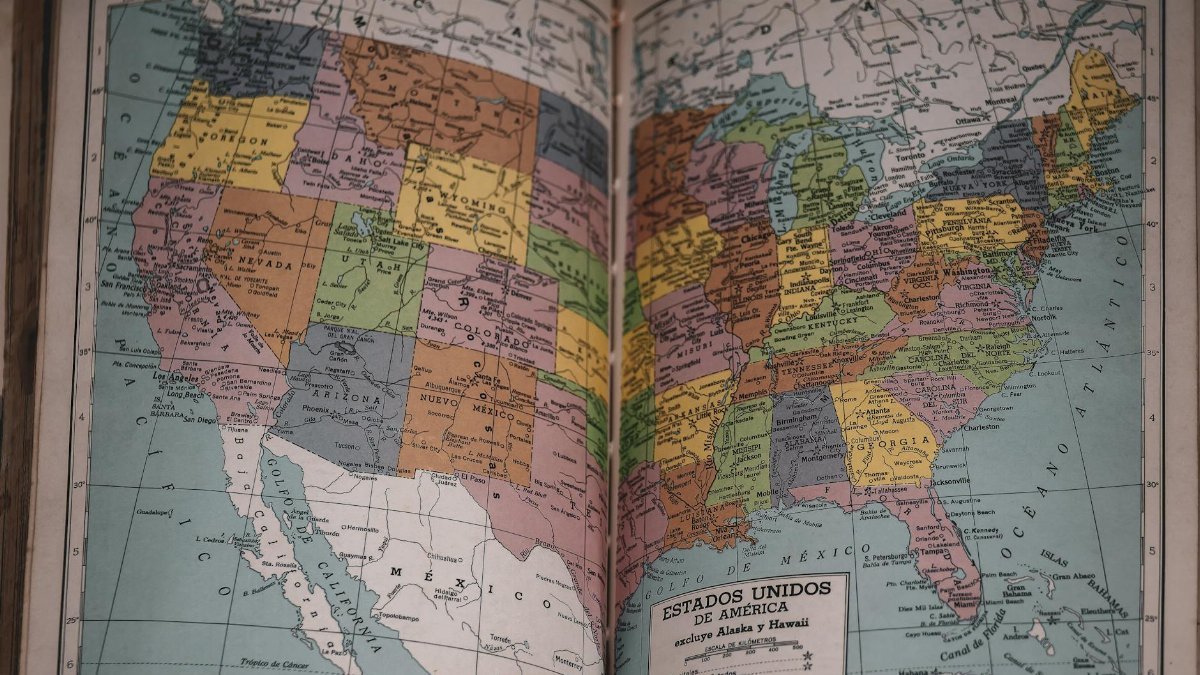
Visualize the map: 32 states lit red. The disease marches from initial hotspots in the Rockies to Atlantic shores. Proximity breeds risk—uninfected states border the blaze. Animal movement, bait piles, and captive facilities accelerate it. February 2026 data cements this expansion, prompting federal coordination. Hunters track zones via apps and bulletins, dodging high-prevalence counties. This geographic surge reshapes hunting seasons nationwide.
Impacts on Wildlife and Hunting
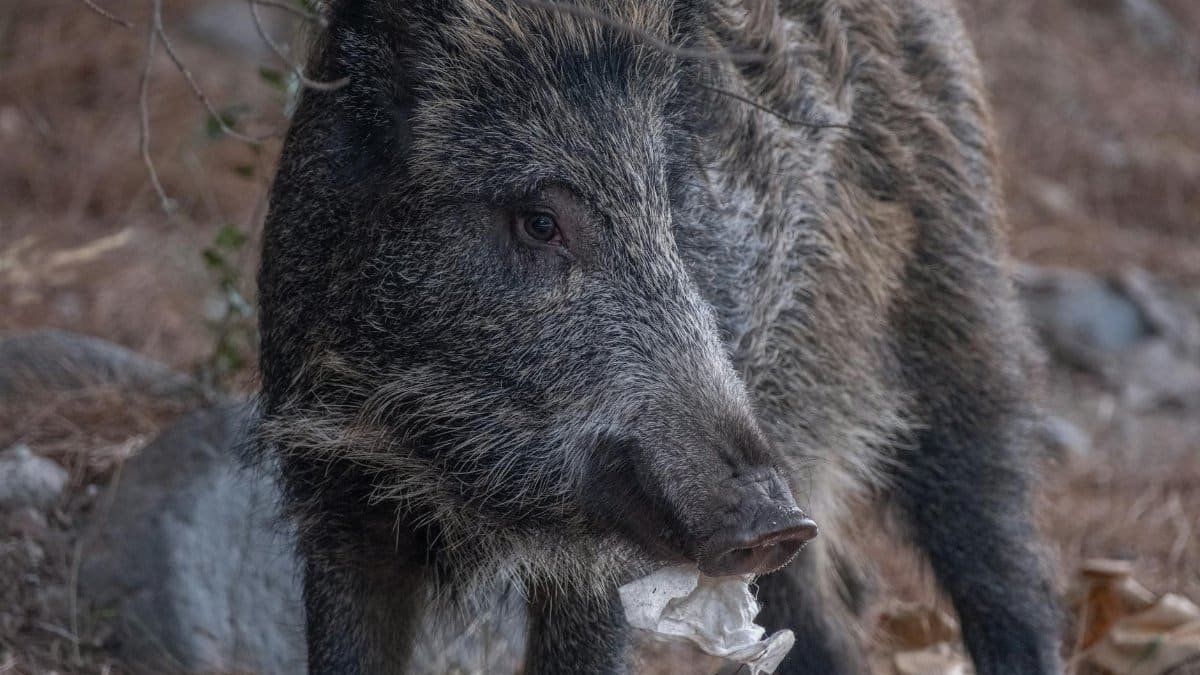
Deer herds crumble under CWD. Fatal outcomes slash populations, disrupting ecosystems. Predators shift, plants rebound unchecked. Hunters face shrinking tags and quality bucks. In 32 states, seasons adjust—shorter, restricted. Economic hits follow: outfitters, processors reel. Yet vigilance grows; voluntary testing surges. The prion’s shadow alters America’s outdoor tradition, forcing adaptation.USGS National Wildlife Health Center on CWD maps wildlife surveillance efforts.
Response and Precautions

Action intensifies. States in the 32 deploy carcass dumps, ban high-risk practices. Hunters get clear directives: test meat, bury waste deep, clean gear rigorously. Public campaigns blast the “zombie” label to drive compliance. Research hunts vaccines and prion-killers, but progress crawls. For now, awareness rules—know your state’s status, hunt smart. The February 17 alert galvanizes this push.
Looking Ahead in 2026

With 32 states affected, 2026 hunting looms tense. Fears of further spread dominate. Human risk, though unproven, shadows every venison steak. Officials predict more detections, urging sustained testing. The prion war escalates, pitting science against nature’s stealth. Hunters, stay sharp—this zombie plague maps no retreat.