

In the shadow of skyscrapers and amid cracked sidewalks, a quiet revolution is greening America’s cities. Volunteers nationwide are transforming derelict empty lots into urban orchards, where fruit trees burst with apples, peaches, and plums for anyone to pick. These public harvest zones aren’t just about free food—they’re mindful gathering spots knitting communities together, easing food insecurity, and pushing back against urban blight. From New York to Los Angeles, the movement is picking up steam, proving that even in concrete jungles, nature can thrive.
Seeds of Change: How It All Began

The urban orchard boom traces back to the early 2010s, sparked by grassroots groups like Philadelphia’s Orchard Project. Facing abandoned lots post-recession, activists planted disease-resistant trees suited to city soils. By 2015, similar efforts sprouted in Detroit, where over 100 such sites now dot the landscape. “We saw food deserts everywhere,” says organizer Maria Gonzalez. “Why not grow solutions right there?” Today, nonprofits provide saplings and expertise, turning eyesores into edible landscapes with minimal upkeep.
Big Apple Bites First
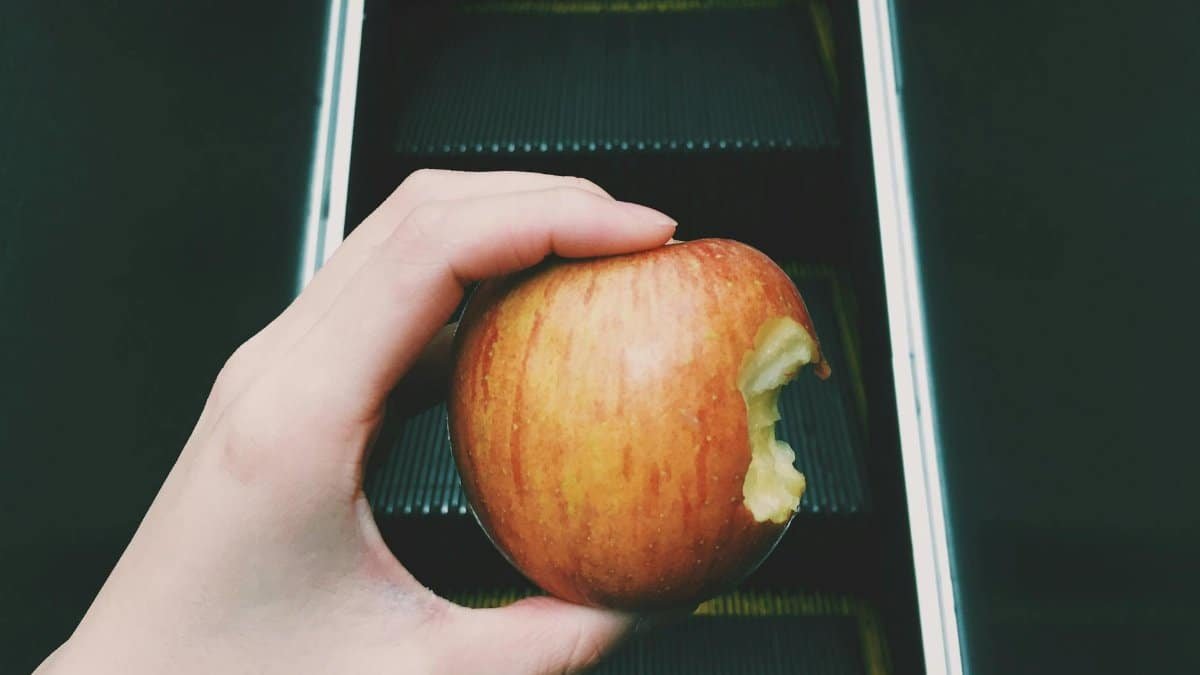
New York City leads the charge, with more than 50 urban orchards citywide. In Brooklyn’s Red Hook, a former parking lot yields 2,000 pounds of fruit annually. The city’s Parks Department partners with groups like NYC Orchard School, hosting harvest festivals that draw hundreds. “It’s democracy in action—public land for public good,” notes councilmember Elena Rivera. These spots double as pollinator habitats, boosting local biodiversity amid the urban grind.
West Coast Ripens the Model
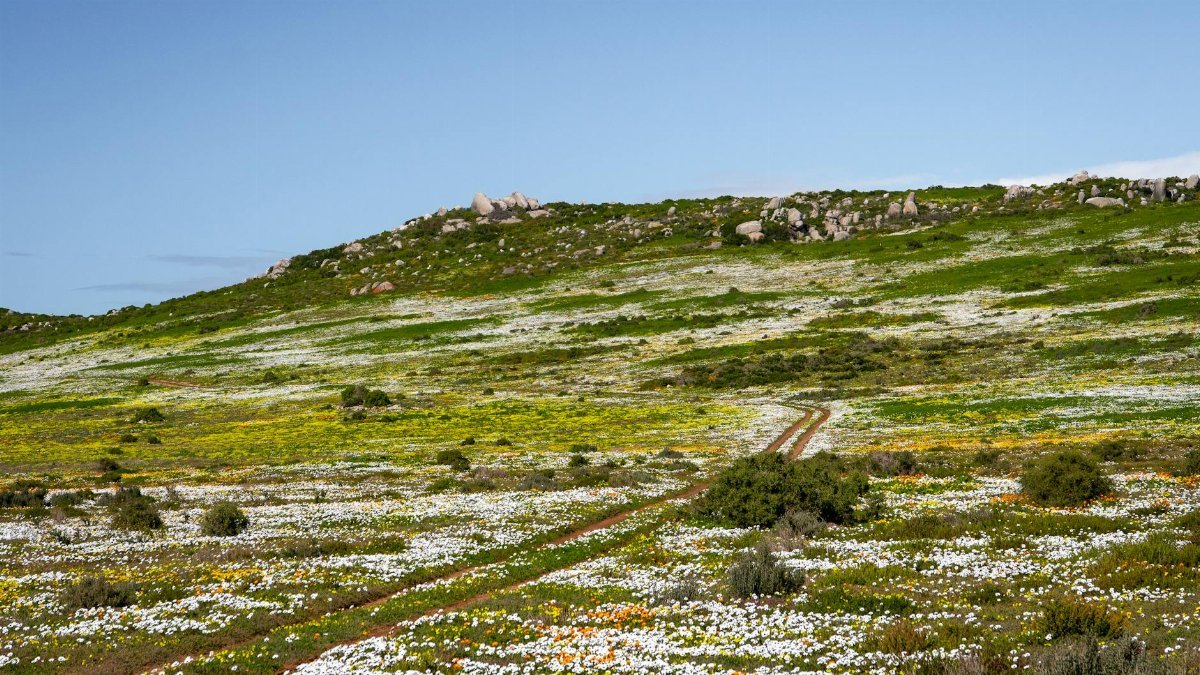
On the Pacific, Los Angeles’ Million Trees LA initiative has grafted orchards onto rooftops and medians. One standout in South LA, planted in 2018, supplies fresh citrus to 500 families yearly. Community leader Jamal Hayes credits the orchards for slashing youth vandalism: “Kids who pick fruit don’t tag walls.” San Francisco follows suit, with guerrilla planters legalizing hillside groves that offer stunning bay views alongside organic pears.
Health Harvests Combat Food Deserts

In low-income neighborhoods, urban orchards tackle nutrition gaps head-on. Studies from the USDA show participants eat 30% more fresh produce after nearby plantings. Chicago’s urban farm network, including orchards, has cut diabetes rates in pilot zones. Beyond calories, these spaces promote mental wellness—walkers report lower stress amid the foliage. “It’s therapy with a side of strawberries,” quips nutritionist Dr. Lena Patel.
Volunteers: The Real Fruit Pickers
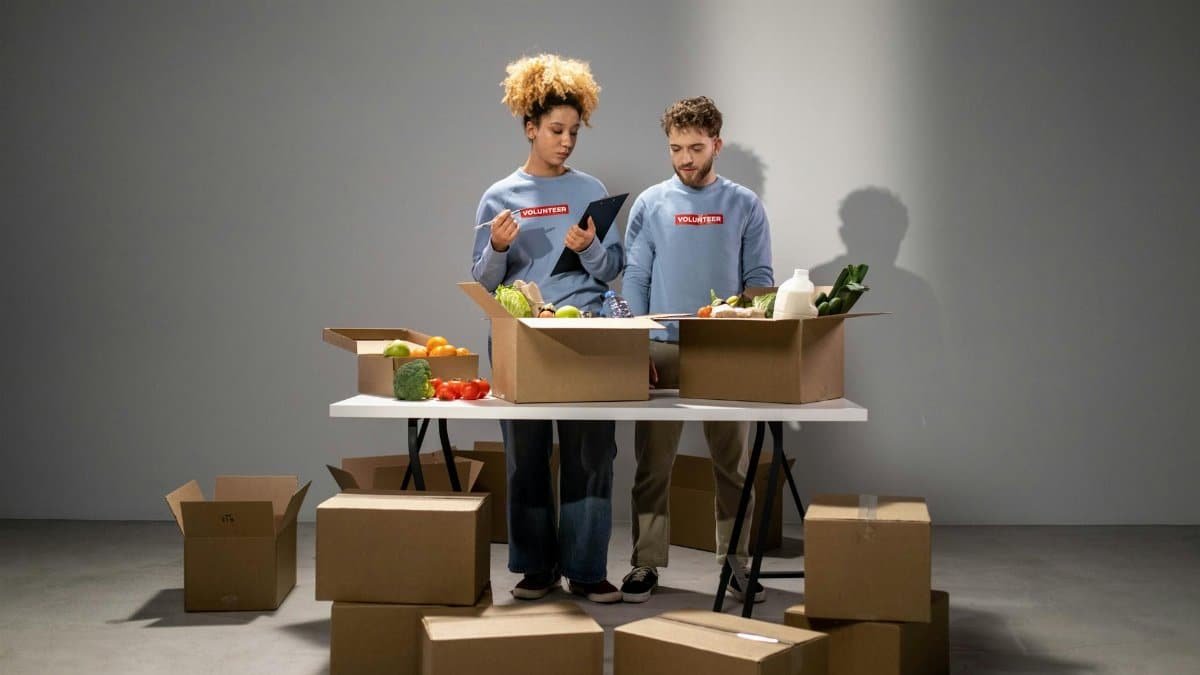
No deep pockets required—the magic happens through sweat equity. Groups like Falling Fruit map edible city plants, crowdsourcing data for 1.5 million users. Weekend workdays draw families, retirees, and teens, with tools loaned free. Training covers pruning and pest control, empowering novices. In Atlanta, a single orchard boasts 200 volunteers, harvesting enough to stock local pantries through winter.
Green Gains for Gray Cities

Environmentally, urban orchards cool streets by 5-10 degrees via shade, per EPA data. Roots soak up stormwater, reducing floods in rain-soaked spots like Miami. They sequester carbon too— one mature orchard offsets a car’s emissions yearly. Pollinators flock to the blooms, aiding broader ecosystems. Critics once fretted mess from falling fruit; smart varieties and mulching solve that, keeping sidewalks spotless.
Hurdles in the Harvest

Not all smooth sailing. Zoning battles rage in some burgs, with NIMBYs decrying “unkempt” trees. Theft and vandalism hit budding sites, though cameras and community watches deter most. Soil contamination from old industry demands testing—groups like Soil Generation remediate affordably. Funding? Grants from foundations fill gaps, but scalability hinges on policy shifts, like tax breaks for stewards.
Social Roots Run Deep

Beyond bites, these orchards build bonds. Harvest parties evolve into block feasts, bridging divides. In Oakland, immigrant families share heirloom varieties, sparking cultural exchanges. Elders mentor youth, fostering intergenerational ties frayed by fast-paced city life. A Yale study links such green spaces to 15% higher neighborhood cohesion scores. They’re not just orchards—they’re urban campfires.
Orchards on the Horizon

Expansion accelerates: Boston eyes 20 new sites by 2025, while Seattle integrates orchards into affordable housing. Tech aids too—apps track ripeness, minimizing waste. National networks like the American Urban Orchard Alliance push federal support. As climate woes mount, these oases signal resilience. “Cities aren’t done growing,” says founder Theo Peck. “They’re just starting to bear fruit.”
By Natasha Weber, Community Insights correspondent. Data drawn from USDA reports, city planning docs, and interviews with orchard leads.