

In the soft light of dawn many middle aged adults are discovering a simple yet profound way to reclaim their health. They step out the door and begin to walk. What seems like an ordinary activity holds surprising potential for those hoping to shed excess pounds in a sustainable manner. This approach avoids the pitfalls of crash diets and punishing gym sessions. Instead it builds steadily on the foundation of daily movement. The ultimate four week walking plan combines consistent steps with strategic strength exercises. It offers a path toward walking for weight loss that respects the realities of busy lives and aging bodies while delivering measurable results.
The Science Behind Regular Walking

Decades of research confirm that moderate physical activity produces impressive outcomes. A major analysis from the Journal of Obesity found that adults who walked 30 to 60 minutes most days lost an average of five pounds over 12 weeks even without major dietary changes. The full study is available here: National Institutes of Health archive. Walking elevates heart rate enough to burn calories while remaining gentle on knees and hips that may have begun to show wear. It also regulates blood sugar and reduces inflammation two factors closely tied to weight gain in middle age. Unlike high impact exercises walking encourages consistency because it feels approachable rather than punishing.
Why This Approach Fits Middle Aged Lives
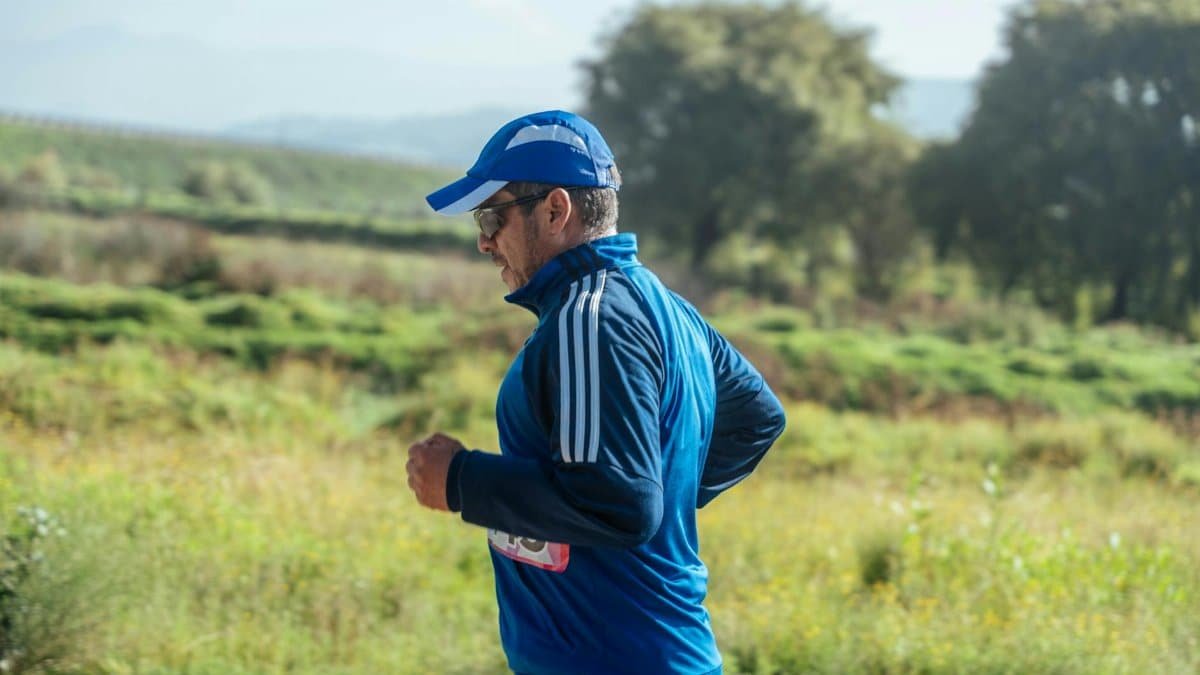
Middle age brings unique obstacles to fitness. Careers family obligations and slower recovery times make extreme programs unsustainable. This four week plan accounts for those realities. It requires no expensive equipment or gym membership. Most sessions fit neatly into lunch breaks or evening routines. The program also addresses the mental side. Many adults in their forties and fifties carry stress that leads to emotional eating. Regular walks provide quiet time for reflection which can ease anxiety and improve sleep. When mental wellbeing improves physical efforts become easier to maintain.
Preparing Mentally And Physically

Success begins before the first step. Consult a doctor especially if you have joint issues or have been inactive. Proper footwear matters. Choose supportive shoes with enough cushioning to protect feet during daily mileage. Set realistic expectations. This plan emphasizes gradual progress over rapid transformation. Mentally prepare by viewing walking as a gift to yourself rather than another obligation. Some participants find it helpful to pair walks with favorite podcasts or music though others prefer silence to cultivate awareness. Either choice works. The goal remains building a habit that lasts well beyond four weeks.
Week One Establishing Your Daily Rhythm

The first week focuses on consistency rather than intensity. Aim for 30 minutes of walking daily at a comfortable pace where conversation remains possible. Split sessions if necessary such as 15 minutes in the morning and 15 in the evening. Three days include simple strength work that takes less than 15 minutes. Perform body weight squats wall push ups and planks holding each movement with good form. These exercises strengthen muscles that support better posture during walks. By the end of week one most people notice improved energy and fewer cravings. The habit of daily movement starts to feel natural.
Week Two Introducing Intervals And Strength

Now the program adds variety. Increase walking time to 40 minutes on most days. Incorporate intervals by alternating three minutes of brisker walking with three minutes at normal pace. This technique elevates calorie burn without overwhelming the body. Strength sessions increase to four days per week. Add exercises like step ups using a sturdy stair and seated rows with resistance bands if available. Otherwise use water bottles as light weights. The combination of interval walking and strength training begins to reshape metabolism. Many participants report clothes fitting differently by the middle of this week.
Week Three Building Endurance
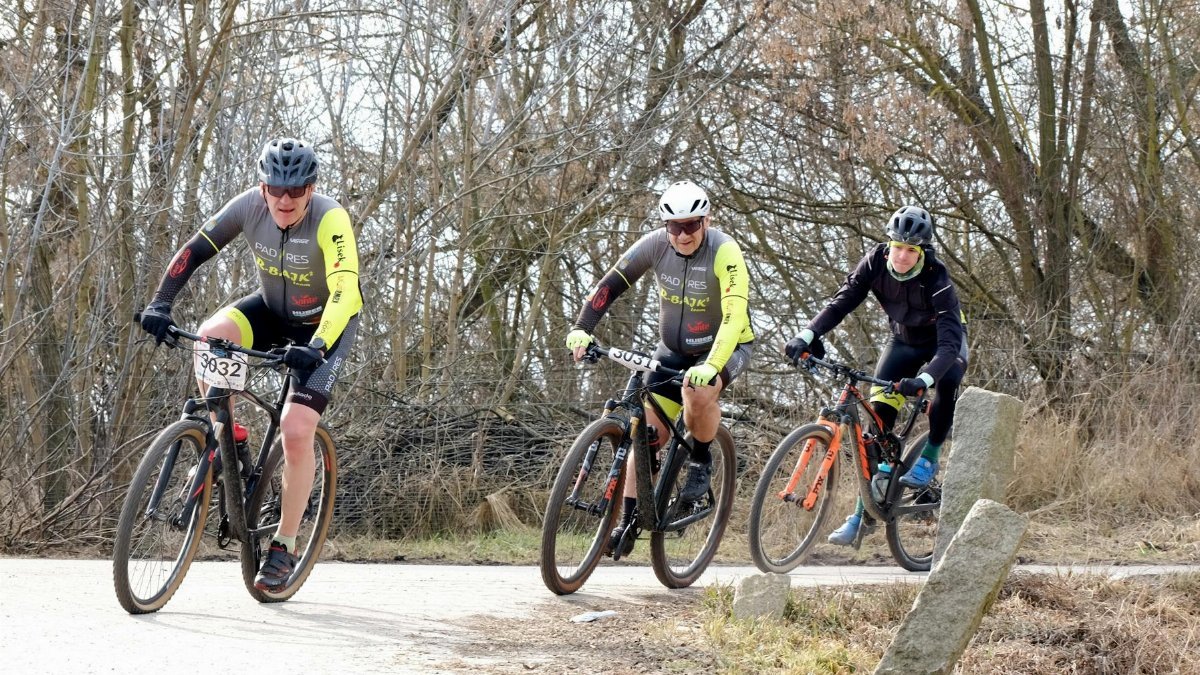
Endurance becomes the focus during week three. Walking sessions extend toward 50 minutes. Include one longer walk of 60 minutes on the weekend if schedule permits. Terrain can add challenge. Seek gentle hills or varied surfaces that engage different muscles. Strength training evolves to include lunges and bird dog poses for balance and core stability. These movements counteract the muscle loss that naturally occurs with age. Pay attention to recovery. Adequate protein and hydration support repair. By now the walking habit feels established and many experience the famous runners high but through gentler means.
Week Four Solidifying New Habits
The final week consolidates gains while preparing for continued progress. Maintain 45 to 60 minutes of daily walking with a mix of steady state and interval days. Strength work emphasizes quality over quantity. Focus on perfect form during squats push ups and core exercises. This week also introduces reflection. Review how the program affected energy levels mood and clothing fit. Many people choose to repeat the four week cycle with slight increases in duration or frequency. The true measure of success is whether the practice continues after the structured plan ends.
The Critical Role Of Strength Training
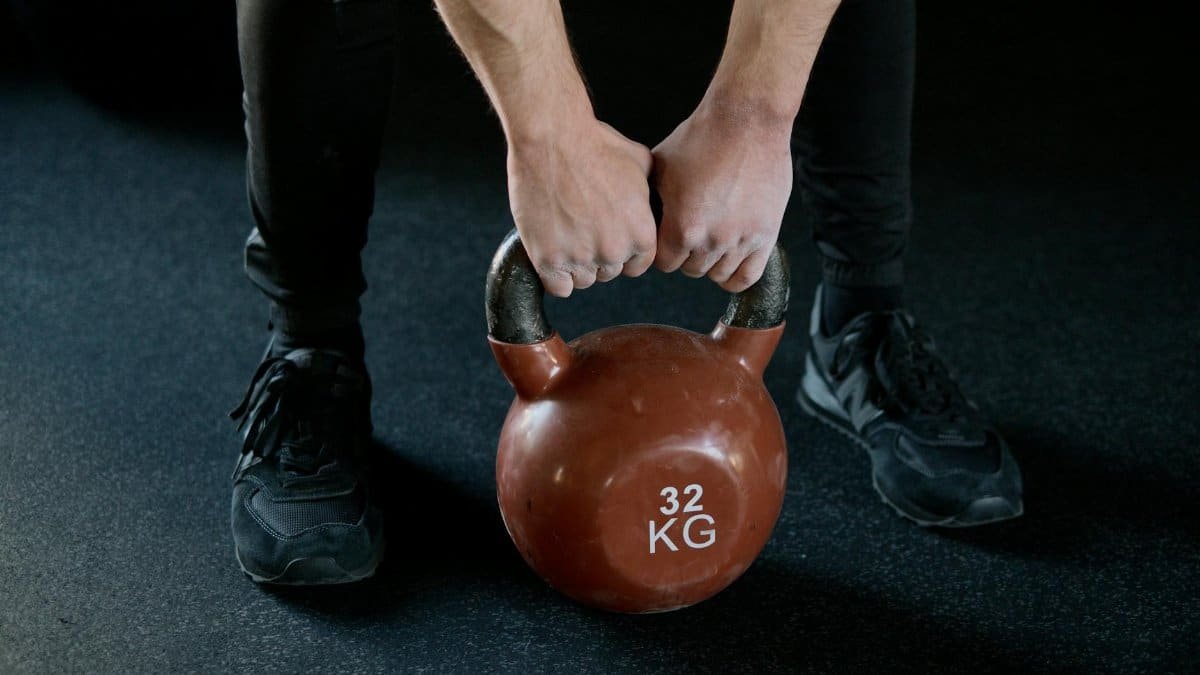
Walking alone produces fine results but adding strength training multiplies them. Muscle tissue burns more calories at rest than fat does. As adults lose muscle mass each decade preserving it through resistance work becomes essential for lasting weight management. The exercises in this plan require no fancy equipment yet target major muscle groups. They also improve bone density which matters for long term health. Participants who complete both walking and strength components typically lose more body fat and report feeling stronger in daily tasks like carrying groceries or climbing stairs.
Nutrition Strategies That Support Your Walks
Exercise and diet work together. This plan avoids rigid meal rules instead suggesting realistic adjustments. Emphasize whole foods vegetables lean proteins and complex carbohydrates that provide sustained energy for walks. Timing matters. A small snack containing protein and carbohydrates before longer walks prevents fatigue. After exercise refuel within an hour to aid recovery. Many middle aged adults find that walking naturally reduces cravings for processed foods perhaps because it lowers stress hormones. Hydration deserves equal attention. Carry water on longer outings especially in warmer weather.
The Spiritual Dimension Of Walking

Within spiritual news and trends a quiet movement recognizes walking as meditation in motion. Setting aside devices during walks allows the mind to settle. Many describe feeling more connected to something larger whether nature community or their own inner wisdom. This mindfulness component may explain why the program helps with emotional eating. When people walk with presence they often return home calmer and less likely to reach for snacks out of boredom or anxiety. Some integrate gratitude practices or silent prayer during their routes transforming physical exercise into a holistic ritual that nourishes body mind and spirit.
Tracking Progress Without Obsession

Measurement helps yet should not dominate the experience. Consider tracking weekly average steps or noting how clothes fit and how energy levels feel. Simple journals capture improvements in mood or sleep quality. Avoid daily weigh ins which can mislead due to normal fluctuations. Instead weigh once weekly under consistent conditions. Celebrate non scale victories such as walking farther without fatigue or noticing improved balance during strength exercises. These markers prove more meaningful for long term motivation than any single number on a scale.
Overcoming Plateaus And Setbacks

Progress rarely follows a straight line. Plateaus may appear around week three when the body adapts. Introduce small changes such as varying routes or adding light hand weights during walks. Weather or travel can interrupt routines. When that happens resume without self judgment rather than abandoning the effort. Community support helps. Walking with a friend or joining local groups adds accountability and enjoyment. Remember the program aims for sustainable change not perfection. Occasional missed days matter far less than the overall pattern of showing up.
Real Transformations From Real People

Across the country adults in their forties fifties and beyond have adopted similar approaches with striking outcomes. One software executive lost 22 pounds over six months primarily through morning walks and weekend hikes. A teacher in Ohio combined the program with better meal preparation and shed 18 pounds while reporting sharper mental focus. These stories share common threads. Participants emphasized patience consistency and self compassion. Their experiences illustrate that walking for weight loss works best when viewed as a lifestyle rather than a temporary fix. Many continue the practice years later not for the scale but for how it makes them feel.
The four week walking plan offers more than a path to smaller waistlines. It provides a realistic sustainable method for improving health at any age but especially during middle years when habits shape decades to come. By blending physical activity with mindfulness and strength work the program addresses the whole person. Those who follow it often discover that the greatest reward extends beyond weight loss to renewed vitality clearer thinking and a deeper sense of wellbeing. The trail awaits. The first step although familiar may lead someplace entirely new.