

The rapid expansion of computing facilities across Texas has caught many residents off guard in regions traditionally dedicated to farming and ranching. Favorable energy costs and business policies have drawn major corporations, resulting in the rise of Texas data centers that require vast amounts of electricity and cooling water. This development raises important questions about resource management and local quality of life as the state becomes a hub for such infrastructure.
Power Supply Challenges

Texas has long been a leader in energy production yet the sudden demand from these new facilities is testing the limits of the grid. Operators must secure reliable power sources often turning to natural gas and renewable options to meet needs without interruption. The Electric Reliability Council of Texas has noted increased pressure during peak periods forcing utilities to plan additional capacity in coming years. Rural substations originally built for smaller loads now require upgrades that can take months or longer to complete.
Water Usage Concerns

Cooling systems in these operations consume millions of gallons daily drawing from aquifers and municipal supplies in areas already prone to drought. Local officials report that some towns have had to renegotiate water contracts to accommodate the new arrivals. Conservation groups highlight risks to agriculture which remains a mainstay of the regional economy. Studies from state agencies show usage rates far exceeding initial projections in several counties.
Impact on Rural Communities
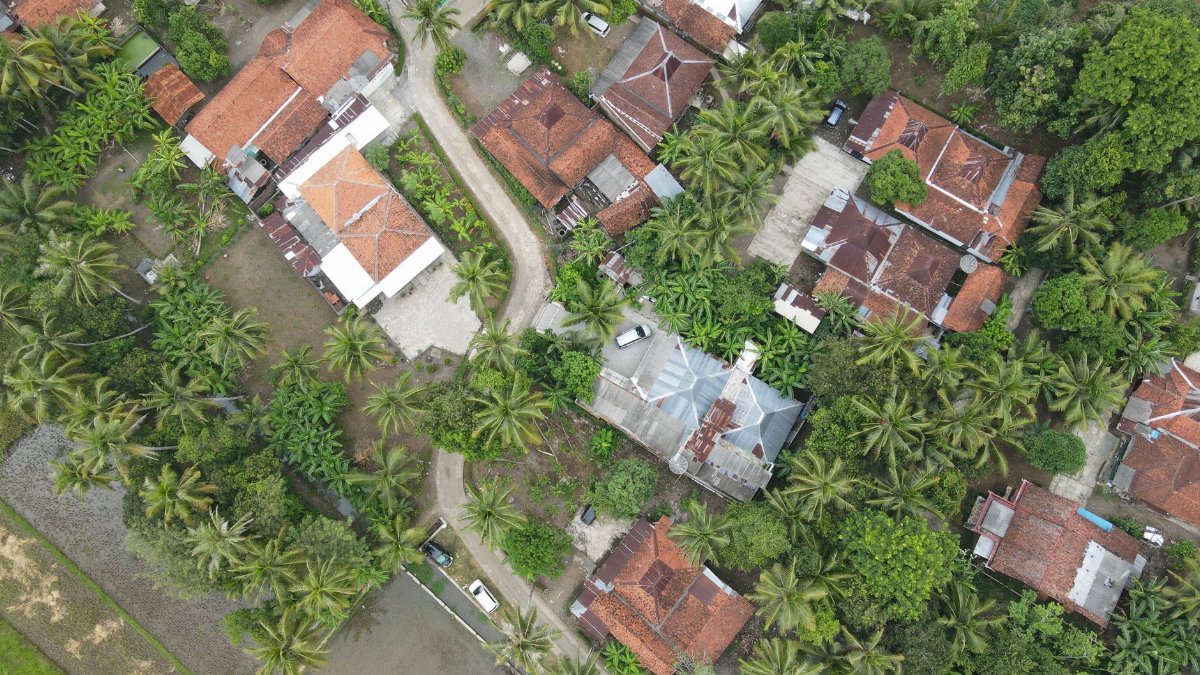
Small populations find themselves hosting projects that alter traffic patterns and land values almost overnight. Property taxes may rise while services like schools and roads struggle to keep pace. Some families appreciate the new jobs while others worry about noise and visual changes to the landscape. Community meetings have grown more frequent as residents seek clearer information on long term effects.
Regulatory Responses from Lawmakers
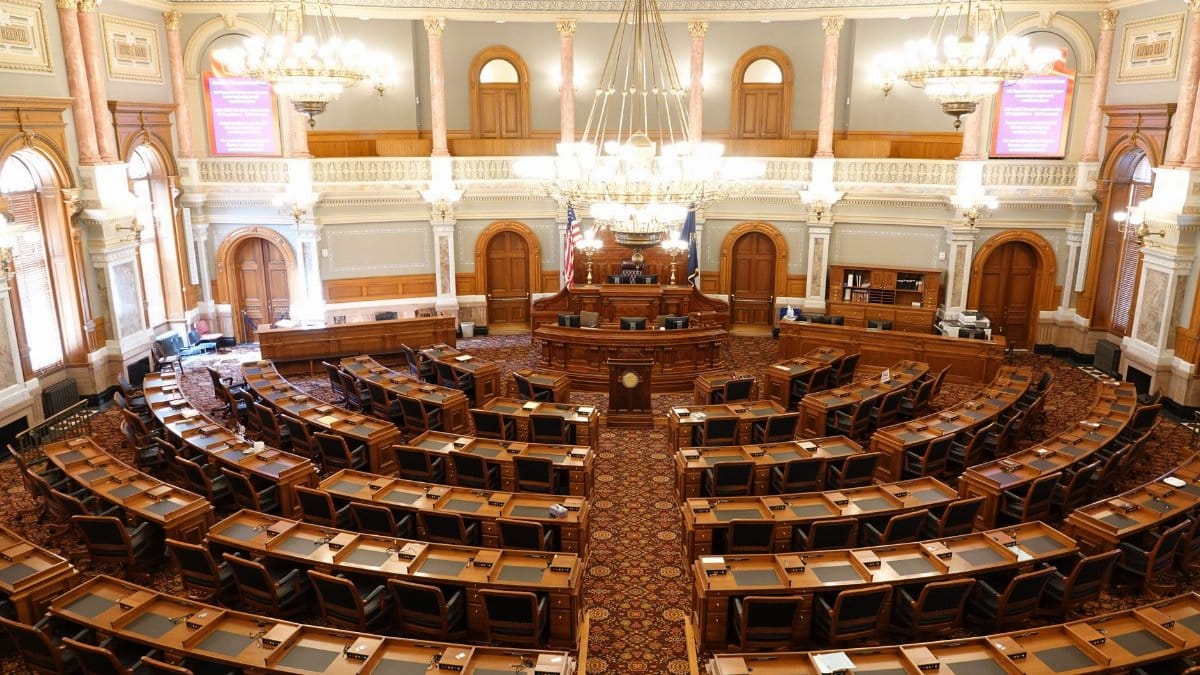
State legislators have introduced measures aimed at greater transparency around resource consumption and siting decisions. Hearings in Austin have featured testimony from both industry representatives and local advocates. Proposals include incentives for efficient designs alongside requirements for environmental reviews before construction begins. The goal appears to balance growth with protections for existing users of power and water.
Economic Benefits and Drawbacks

Proponents point to construction employment and ongoing operational roles that boost household incomes in otherwise quiet counties. Tax revenues can support public projects that might otherwise face delays. Yet critics note that many positions require specialized skills not always available locally leading to workers commuting from larger cities. The net fiscal picture remains under review by independent analysts.
Future Projections for Expansion
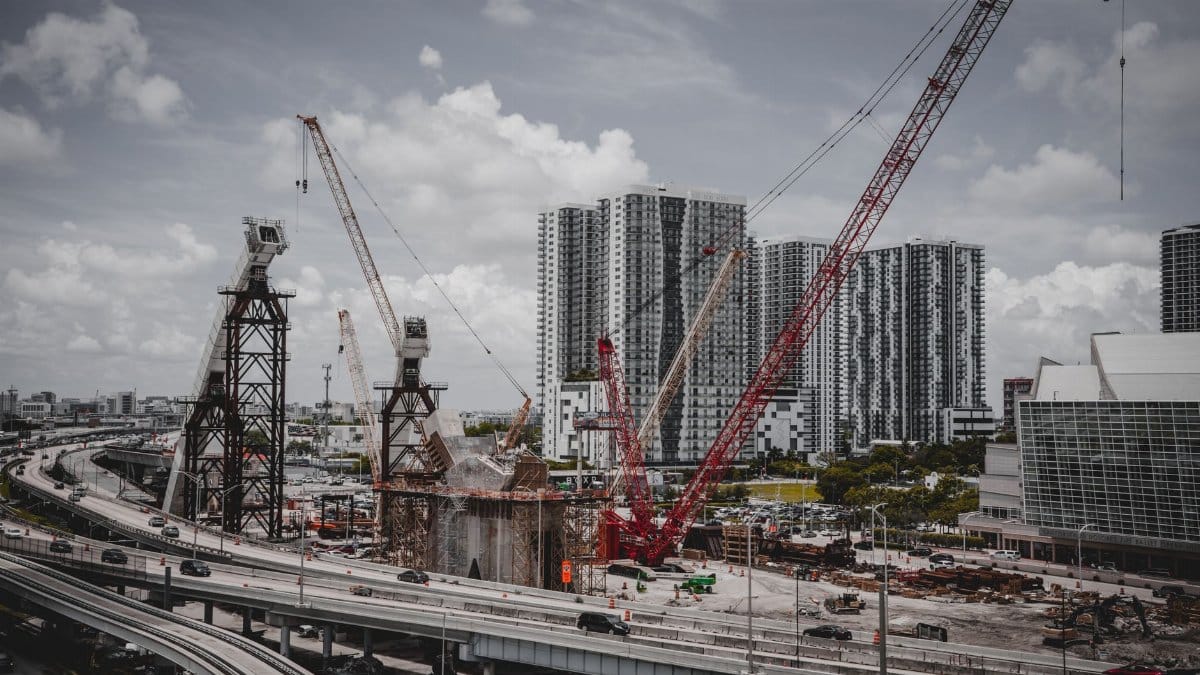
Industry forecasts suggest continued interest in Texas given its central location and business climate. Additional facilities could come online within the next five years increasing overall capacity significantly. Planners emphasize the need for coordinated infrastructure investments to avoid shortages. Discussions now include scenarios for integrating more solar and wind resources into the mix.
Comparisons with Other States

Neighboring regions have adopted different approaches with some imposing stricter limits on new builds or requiring advanced water recycling. Texas stands out for its speed in approvals which appeals to companies but also invites scrutiny. Observers from national organizations track these variations to understand best practices across the country. The experience here may influence policies elsewhere facing similar pressures.
Community Voices and Protests

Residents have organized petitions and public comments to voice concerns over unchecked development. Some gatherings draw attention from regional media outlets covering the broader implications. A Houston Chronicle report from the original source details how one county formed a task force to study cumulative impacts. These efforts reflect a desire for more say in decisions shaping their surroundings.