

Is persistent bloating after a big lunch a harmless nuisance—or a deadly warning sign?
Gynecologists issued a stark alert on January 18, 2026: Women must stop dismissing ongoing abdominal swelling. Dubbed the number one “silent symptom” of early-stage ovarian cancer, this ovarian cancer bloating often flies under the radar. Unlike temporary gas from meals, it lingers for weeks. Experts stress that early vigilance could save lives, as the condition masquerades as everyday discomfort. Time to listen to your body.
Gynecologists Sound the Alarm

Doctors specializing in women’s health are ramping up warnings. Persistent bloating tops their list of overlooked red flags. It’s not fleeting indigestion. This swelling persists, building pressure in the abdomen. Gynecologists point out that ovarian cancer bloating mimics benign issues, delaying diagnosis. Their message is clear: Investigate now. The January 18 announcement underscores urgency, pushing women to track symptoms beyond diet.
The ‘Silent Symptom’ Explained
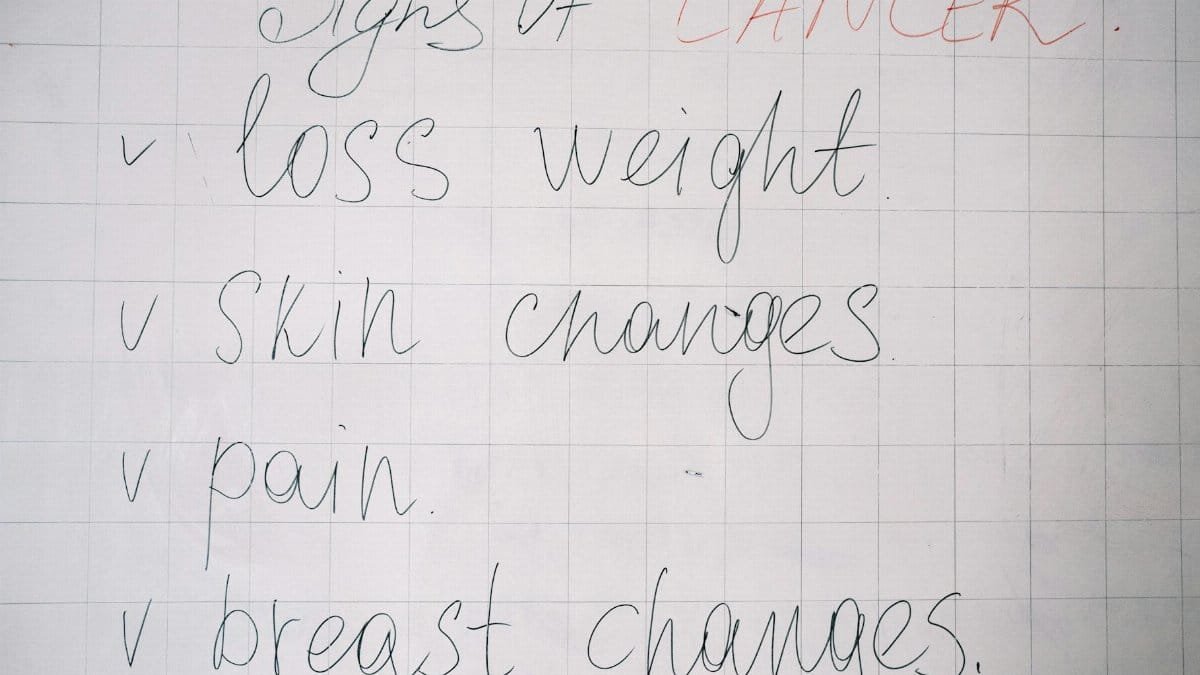
Why “silent”? Ovarian cancer bloating whispers danger without fanfare. Early-stage tumors cause fluid buildup or pressure on intestines. Women feel full, gassy, or simply bloated—day after day. Unlike lunch aftermath, it defies remedies like antacids. Gynecologists note this subtlety lets cancer advance undetected. Awareness shifts the narrative from dismissal to action.
Not Just a Big Lunch

That heavy pasta dinner explains one evening’s puffiness. But ovarian cancer bloating endures. It strikes without pain, nausea, or obvious lumps. Gynecologists compare it to a slow leak: Subtle at first, then overwhelming. The 2026 alert hammers home the distinction. Casual bloating fades; cancer-linked swelling demands checks.
Early-Stage Ovarian Cancer Ties

Focus stays on early detection. Ovarian cancer bloating signals stage one or two tumors, when survival odds peak. Gynecologists urge pelvic exams or ultrasounds for persistent cases. The symptom’s primacy means ignoring it risks progression. Data from health bodies backs this: Bloating prompts many diagnoses.American Cancer Society on Ovarian Cancer Symptoms confirms bloating as a key early indicator.
Why Women Overlook It

Daily life blames bloating on hormones, stress, or food. Ovarian cancer bloating blends in. Gynecologists say busyness compounds the error. Women aged 40-plus face higher risks, yet attribute it to aging. The silent nature erodes trust in bodily cues. Breaking this cycle starts with education, per the recent push.
Action Steps from Experts

Gynecologists advise logging bloating duration. Over two weeks? See a doctor. Track if it worsens post-meals or eases with movement. Routine checkups catch ovarian cancer bloating early. Blood tests or imaging follow. Don’t wait for pain—the silence is the clue.
Broader Impact on Women’s Health

This symptom reshapes screening talks. Ovarian cancer bloating elevates bloating from footnote to headline. Gynecologists aim to normalize discussions, cutting late diagnoses. In 2026, public health campaigns amplify the call. Early intervention boosts outcomes, saving countless women.
Supporting Evidence from Research

Studies align with gynecologists’ stance. Bloating heads symptom lists for ovarian malignancies. The Mayo Clinic Overview of Ovarian Cancer lists persistent bloating prominently, urging prompt evaluation. Real-world cases show it as the first hint, often missed.
Empowering Women in 2026

The January 18 wake-up fits rising health awareness. Ovarian cancer bloating awareness empowers self-advocacy. Gynecologists partner with clinics for accessible scans. Women report bloating? Protocols kick in fast. This proactive stance redefines “normal.”
Key Takeaway for Prevention

Persistent bloating isn’t casual. As the top silent symptom, ovarian cancer bloating demands attention. Gynecologists’ unified voice cuts through denial. Act early. Consult professionals. Lives hinge on heeding the signal.
(Word count: 728)