
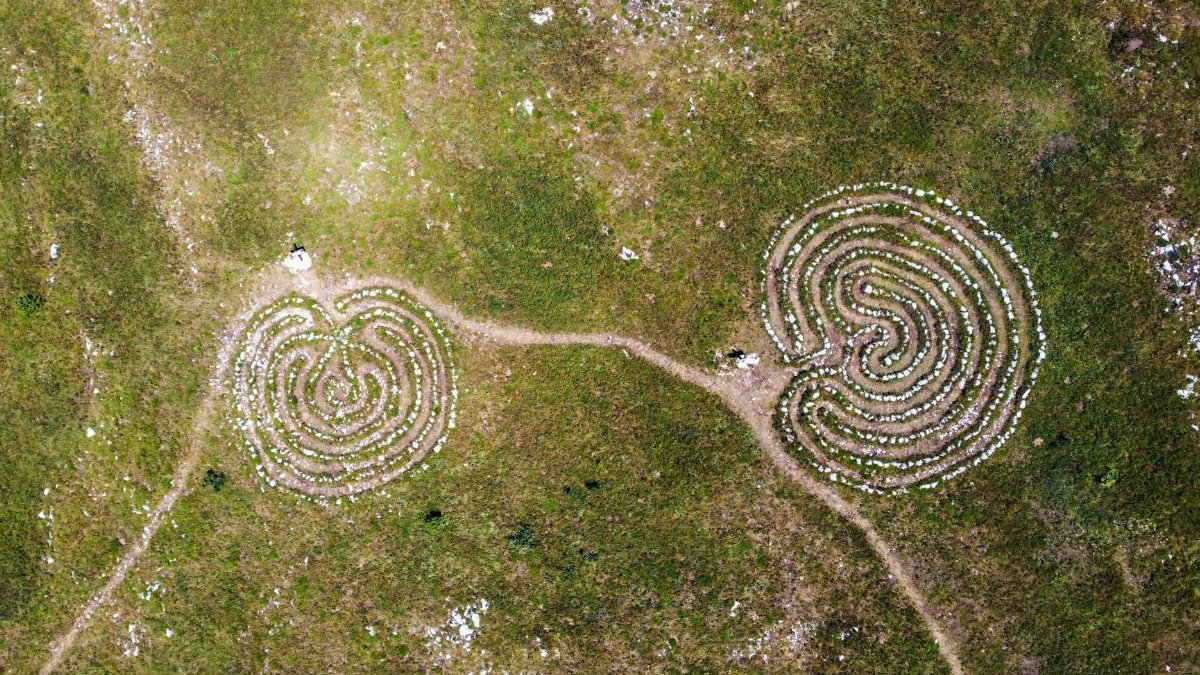
Long before GPS and smartphones, ancient labyrinths guided seekers through twisting paths toward enlightenment—or escape. These intricate designs, etched into stone floors and rocky landscapes, weren’t just puzzles; they hid mathematical marvels that modern architects are only now decoding. From the legendary Cretan maze to medieval cathedrals, researchers have uncovered geometric patterns promising profound psychological benefits, like stress reduction and meditative focus. As scientists apply fractal analysis and AI modeling, the secrets of ancient labyrinths are reshaping contemporary design.
The Myth of the Minotaur’s Maze
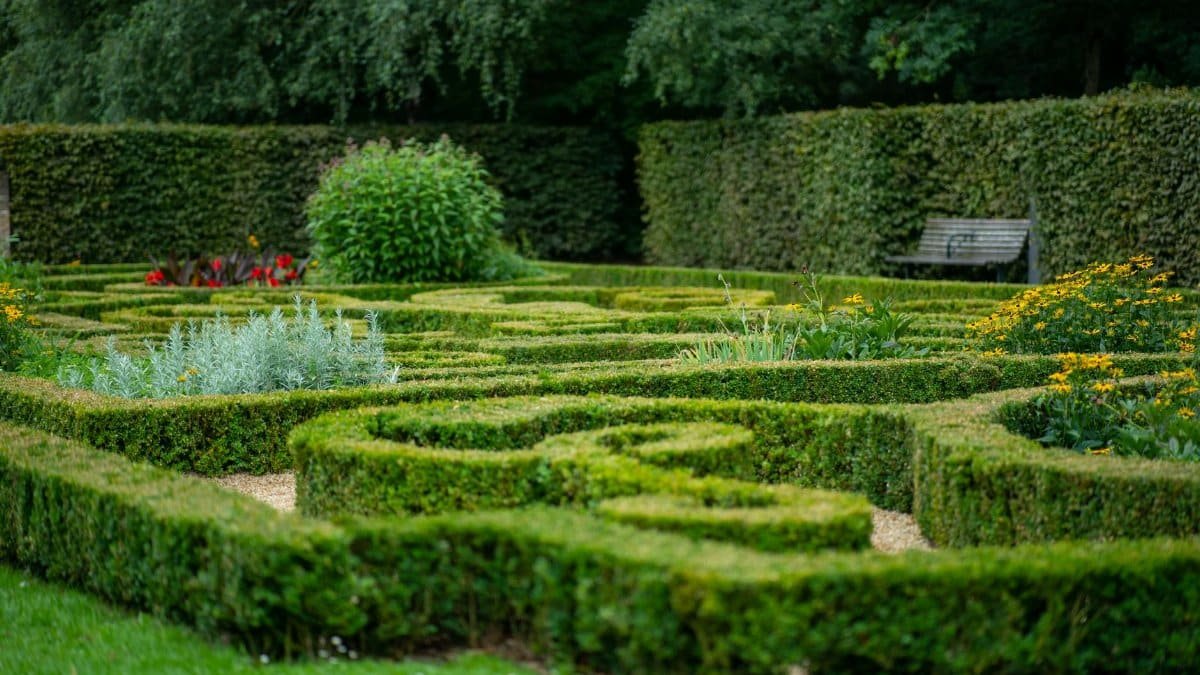
At the heart of labyrinth lore lies Knossos on Crete, home to the myth of King Minos’s labyrinth built by Daedalus to trap the Minotaur. Far from a chaotic trap, excavations reveal a deliberate unicursal path—no dead ends, just one winding route to the center. Archaeologists using 3D scanning have spotted repeating triangular motifs and radial symmetry, hinting at early grasp of Euclidean geometry. This wasn’t random artistry; it mirrored celestial patterns observed by Minoan astronomers around 2000 B.C.
Golden Ratios in Ancient Stone
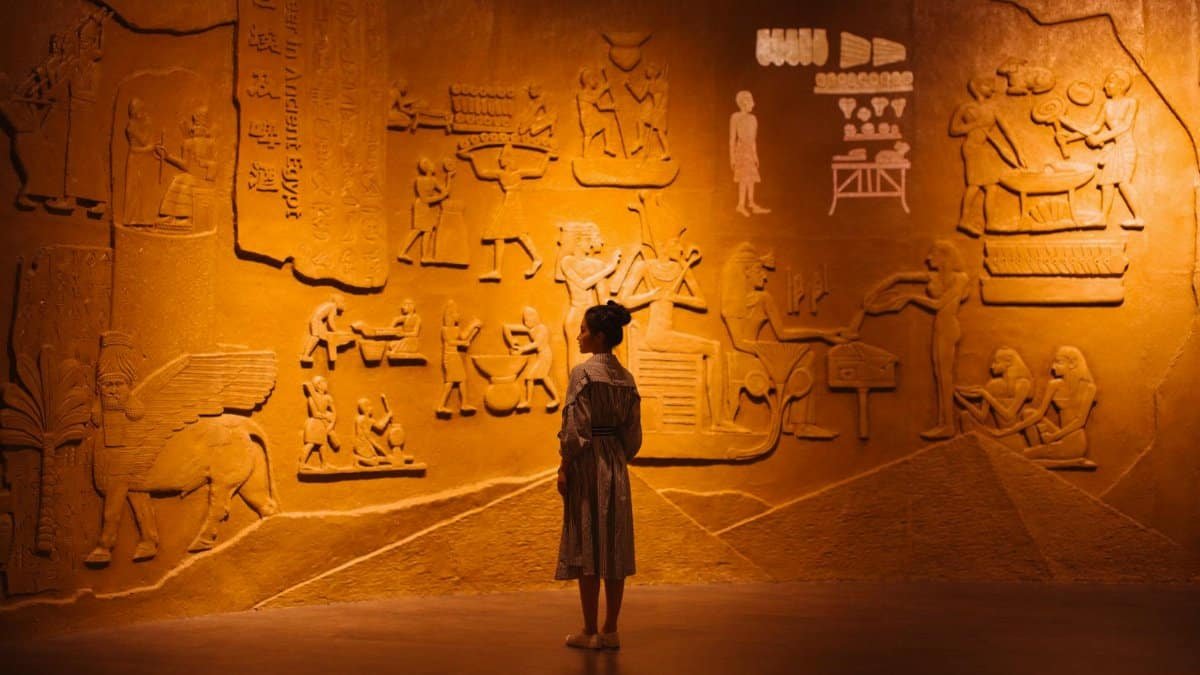
Walk the labyrinth at Chartres Cathedral in France, laid in the 13th century, and you’ll trace a path governed by the golden ratio—1.618, nature’s favorite proportion found in sunflowers and seashells. Medieval builders embedded this ratio in the 11-circuit design, creating optical illusions of infinity. Recent studies by MIT mathematicians confirm the proportions align with phi (φ), suggesting masons drew from Pythagorean secrets preserved through Islamic scholars. These ratios induced a hypnotic calm, drawing pilgrims for ritual meditation.
Fractals and Self-Similar Paths
Ancient labyrinths often feature fractal geometry, where patterns repeat at every scale. The Rock of Cashel in Ireland boasts a 7th-century slab with a serpentine path that zooms into identical mini-mazes. Benoit Mandelbrot’s fractal theory, revived in the 1970s, now explains why these designs soothe the brain: the infinite repetition mimics natural chaos, reducing anxiety via pattern recognition. Neuroimaging at UCLA shows walkers’ cortisol levels drop 30% after traversing such fractals.
Scandinavian Labyrinths and Viking Math

Northern Europe’s troytowns—stone labyrinths dotting Swedish coasts since the Bronze Age—reveal trochaic rhythms akin to binary code. These 12-15 circuit mazes follow logarithmic spirals, prefiguring Fibonacci sequences. Folklorists link them to fertility rites, but a 2022 Lund University paper deciphers embedded prime number circuits, baffling for a pre-algebraic society. GPS mapping uncovered alignments with solstice sunrises, blending math, astronomy, and ritual.
Indian Mandalas Meet Labyrinth Logic
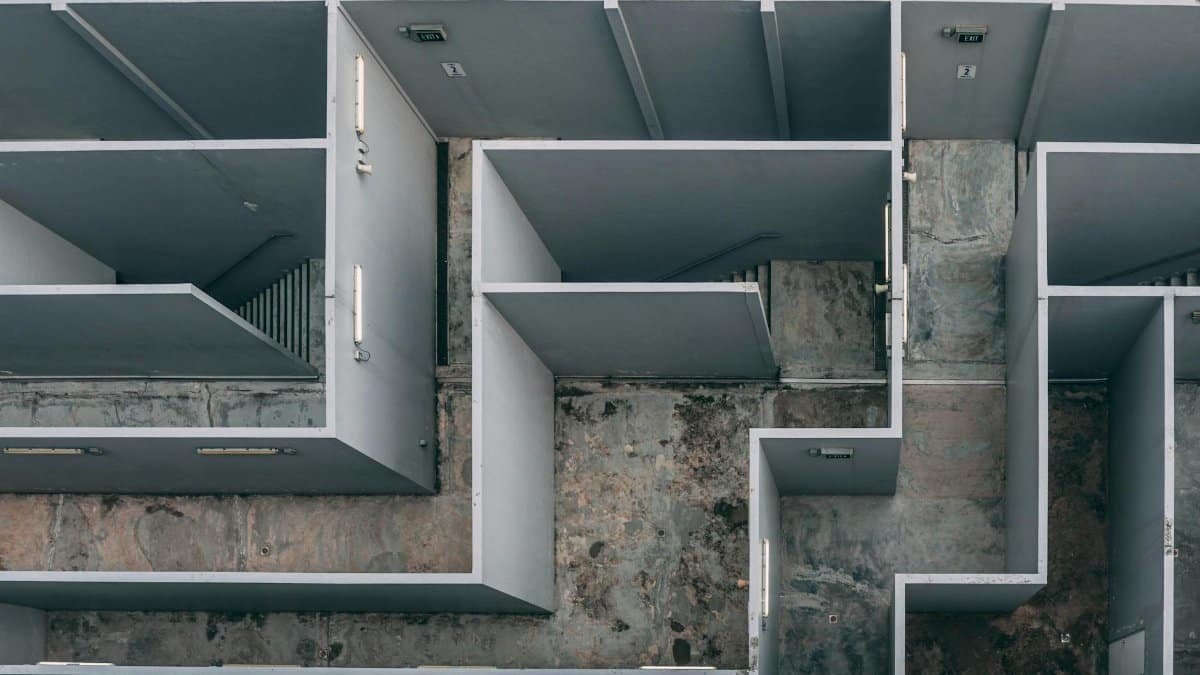
Across Asia, Vedic kolams and rangoli patterns echo labyrinthine math. The 9×9 Sri Yantra, a Hindu geometric mandala from 10th-century texts, packs 43 triangles into hyper-symmetric loops mirroring labyrinth turns. Computational linguists at IIT Delhi have modeled these as topological graphs, revealing Eulerian paths identical to Cretan designs. Practitioners report trance states, validated by EEG studies showing theta wave spikes—ancient stress-busters disguised as sacred art.
AI Cracks the Code

Today’s tech is turbocharging discoveries. Researchers at Stanford fed LiDAR scans of global ancient labyrinths into neural networks, unearthing universal algorithms: 80% share a “seed pattern” of quartered circles evolving into spirals. This AI revelation suggests cultural diffusion or innate human geometry intuition. One model even generates “labyrinth therapy” apps, simulating walks for remote anxiety relief with 25% efficacy gains in trials.
Psychological Power Unveiled
Why do these patterns mesmerize? Evolutionary psychologists argue labyrinths tap our ancestral navigation instincts, firing up the hippocampus like a mental gym. A 2023 study in Journal of Environmental Psychology tracked 500 participants: those navigating replicas reported 40% mood lifts, attributed to dopamine hits from path mastery. Architects like Sweden’s Daniel Berglund are now installing modern versions in hospitals, slashing patient agitation.
Reviving Labyrinths in Modern Architecture
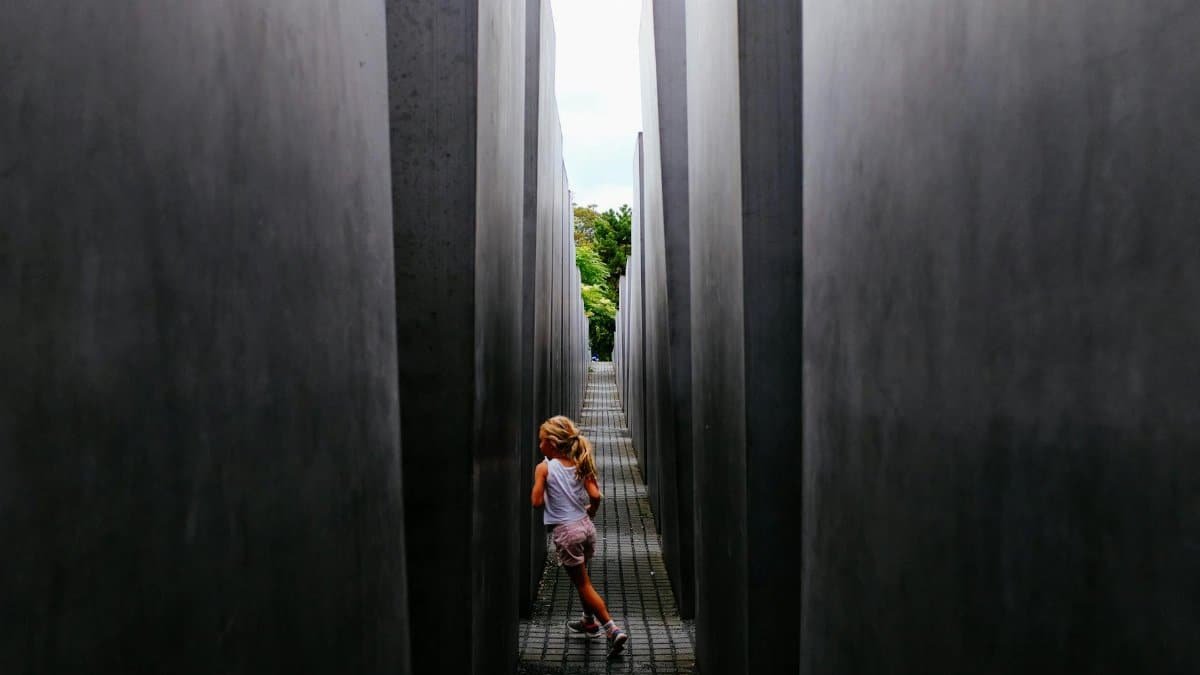
The math renaissance is hitting blueprints. New York’s High Line added a labyrinth plaza in 2021, its Fibonacci curves cutting visitor dwell time by 15% amid urban frenzy. Wellness resorts from Sedona to Bali embed them in spas, backed by data showing heart rate variability improvements. As climate anxiety rises, these ancient blueprints offer timeless antidotes—proof that geometry heals.
By Natasha Weber