

Calling out sick on February 9, 2026? You’re far from alone. Doctors across the U.S. are issuing stark warnings about the “Super Bowl Flu”—a genuine surge in heart stress and sodium overdose striking the day after the big game. This isn’t hype. It’s a medical reality fueled by yesterday’s festivities, leaving many feeling wrecked today. Cardiologists emphasize the risks are immediate and serious, urging caution amid widespread reports of illness.
What Exactly Is Super Bowl Flu?

The Super Bowl Flu captures a post-game health crash that’s all too common. It refers specifically to elevated heart stress combined with sodium overload from game-day indulgences. Doctors describe it as a spike that manifests the morning after, turning celebration into discomfort. This phenomenon hits hard because the body’s systems get overwhelmed in a single night. Heart stress ramps up from emotional highs, while sodium floods in from snacks and meals. Medical pros confirm it’s not just a hangover—it’s a measurable physiological response.
The Post-Super Bowl Timing

February 9, 2026, marks the peak. Right after the Super Bowl, reports of sickness flood in. People wake up drained, with symptoms tied directly to the event. Doctors note this annual pattern: the game’s end signals the start of the flu’s grip. It’s no coincidence. The timing aligns perfectly with recovery from intense watching, eating, and cheering. U.S. trends show this day consistently sees higher calls to clinics, underscoring the flu’s reliability as a health event.
Heart Stress: The Hidden Danger

Heart stress forms the core of Super Bowl Flu. The thrill of the game—nail-biting plays, overtime drama—triggers acute cardiovascular strain. Adrenaline surges, blood pressure spikes, and the heart works overtime. Doctors warn this isn’t benign excitement. For those with underlying issues, it can tip into real trouble. The American Heart Association highlights how sudden stress events like this elevate risks, with resources detailing the mechanisms at Heart.org Stress and Heart Health. Today, that stress lingers, amplifying fatigue and unease.
Sodium Overdose Explained
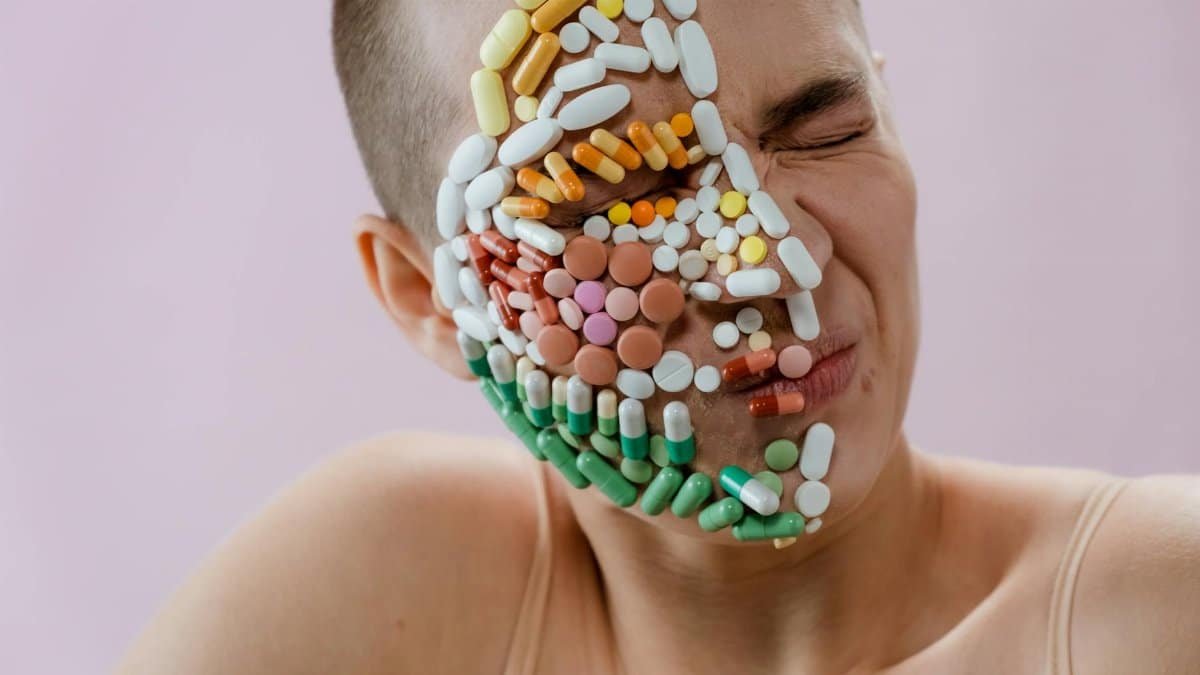
Sodium overdose rounds out the flu’s punch. Super Bowl spreads overflow with chips, dips, pizza, and wings— all sodium bombs. A single day’s intake can skyrocket past safe limits, leading to bloating, headaches, and dehydration. The body struggles to process the excess, mimicking flu symptoms. Cardiologists point to this as a key driver. The CDC tracks sodium’s toll on public health, noting most Americans already exceed recommendations, with game days pushing it further; see their overview at CDC Sodium Page. On February 9, 2026, the overload hits full force.
Doctors’ Urgent Warnings

Medical experts aren’t mincing words. “This is a very real medical phenomenon,” they stress. Cardiologists and primary care docs alike are fielding calls today, linking symptoms straight to Super Bowl excesses. They’re advising rest, hydration, and monitoring for severe signs. The warnings aim to cut through the “it’s just a party” mindset. In clinics nationwide, the message is clear: ignore the flu at your peril. This proactive stance reflects years of observed patterns in U.S. healthcare data.
Why It Feels Like the Flu

Symptoms mimic a viral bug: fatigue, nausea, chest discomfort, headaches. But Super Bowl Flu stems from overload, not infection. Heart stress causes palpitations and dizziness; sodium pulls water from cells, worsening dehydration. Combined, they floor you. Doctors differentiate it from actual flu by its rapid onset post-event. Today, thousands grapple with this combo, explaining the sick-day surge. It’s a distinctly American ritual’s fallout, tied to football fever.
Broader U.S. Health Trends

In 2026, Super Bowl Flu underscores ongoing concerns. Sodium intake remains a national issue, with heart disease as the top killer. Game days amplify vulnerabilities, especially amid rising awareness of lifestyle triggers. Doctors use this moment to spotlight prevention in everyday habits. The phenomenon mirrors holiday spikes but packs a concentrated wallop. Public health campaigns in recent years have flagged such events, yet participation stays high. February 9 brings it into sharp focus for Americans.
Real-World Impact Today

Workplaces feel the strain. Sick calls spike, productivity dips. Schools and offices report absences mirroring past years. Doctors handle overflow patients, prioritizing heart and hydration checks. This isn’t isolated—it’s a nationwide wave. The flu’s reality forces a reckoning with game-day habits. Medical voices push for balance, even in fun. As February 9, 2026, unfolds, the warnings resonate louder, backed by clinical evidence.
The Super Bowl Flu proves festivities have a price. Doctors’ alerts on heart stress and sodium overdose demand attention. Stay vigilant today—heed the signs and recover smartly.