
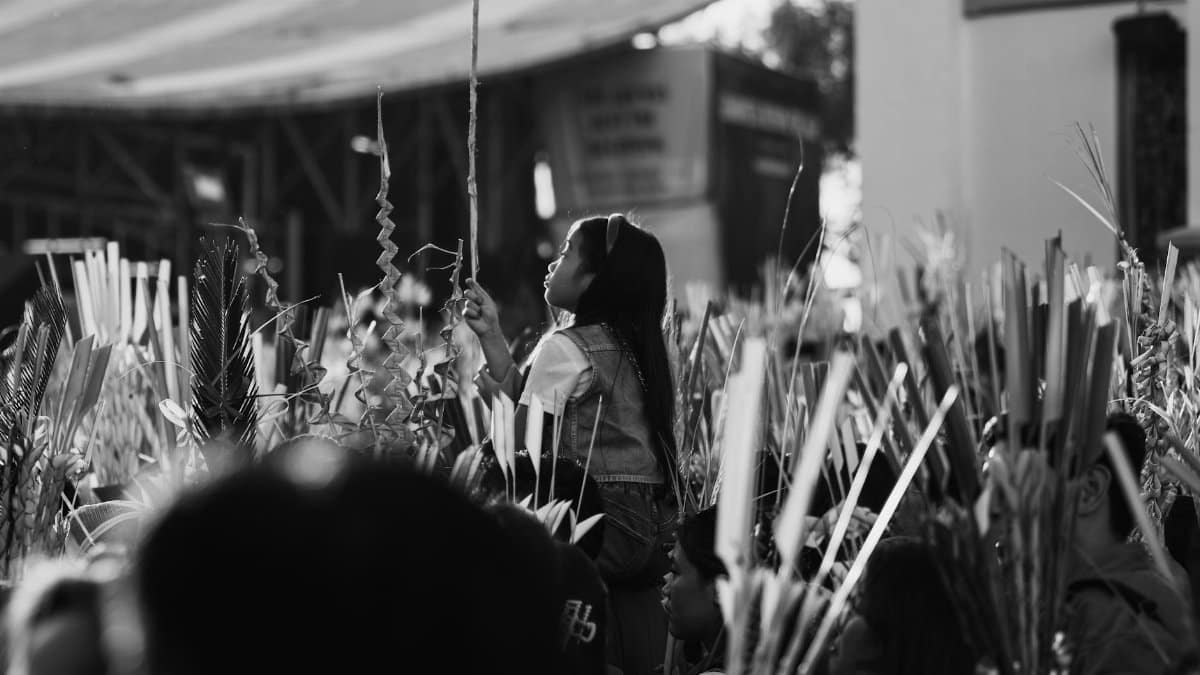
Who needs a pew? On January 29, 2026, reports highlighted a striking shift: for millions of Millennials, the “Sunday Reset”—a ritual blending deep cleaning and meal prepping—has emerged as a non-negotiable spiritual practice. This weekly routine replaces traditional Sunday worship for a generation seeking meaning in mundane tasks. No sermons required. Instead, scrubbing floors and portioning meals offer structure, renewal, and a sense of purpose amid busy lives. The trend underscores evolving spirituality in America.
What Defines the Sunday Reset?
The Sunday Reset centers on two core activities: deep cleaning and meal prepping. Participants tackle accumulated clutter, wiping down surfaces and organizing spaces with deliberate focus. Meal prepping follows, chopping vegetables, cooking proteins, and dividing portions into containers for the week ahead. This ritual unfolds every Sunday, turning ordinary chores into a structured rite. For millions of Millennials, it provides a predictable anchor in unpredictable schedules. The practice demands commitment, often spanning hours, yet delivers immediate gratification through visible results.
Millennials Embrace the Shift

Millennials, now in their 30s and 40s, lead this movement. Millions have adopted the Sunday Reset as their spiritual cornerstone. Traditional church attendance wanes, with data showing younger adults increasingly unaffiliated from organized religion. A Pew Research Center analysis confirms the rapid decline of Christianity among this cohort, creating space for personal rituals. The Sunday Reset fills that void, offering solace without dogma.
Deep Cleaning as Soul Work
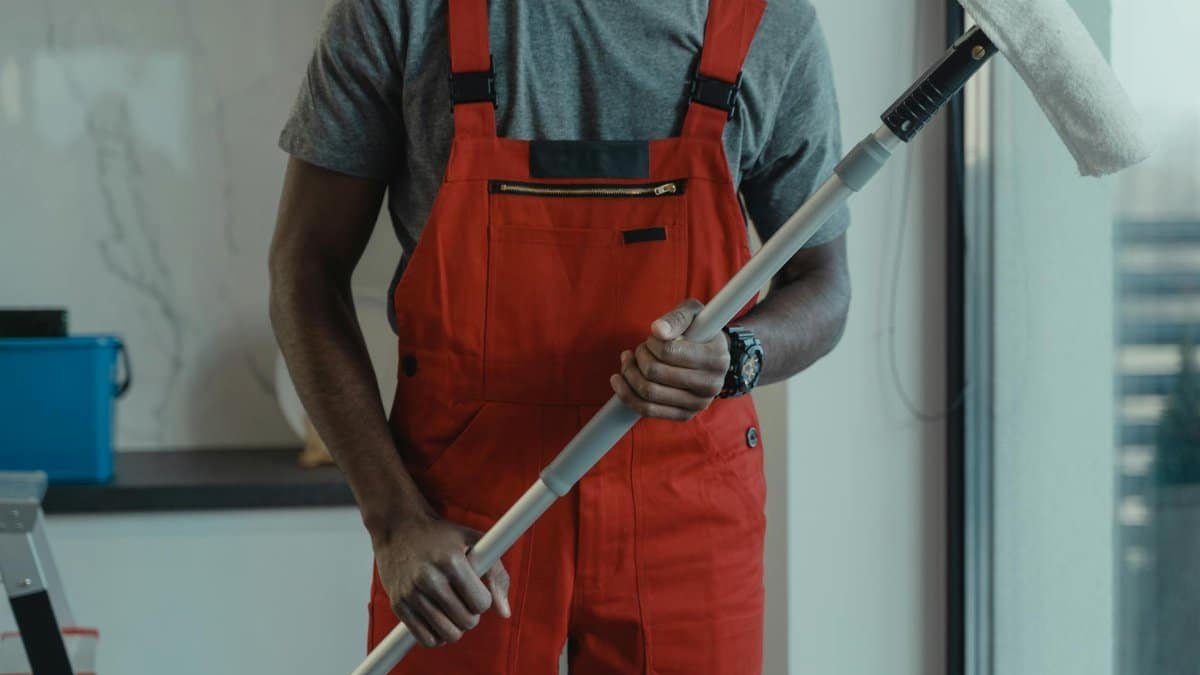
Deep cleaning forms the ritual’s physical backbone. Millennials scour kitchens, bathrooms, and living areas, purging dust and disorder. This act symbolizes purging mental chaos. Floors gleam, counters shine, and spaces breathe anew. Participants report heightened calm post-reset, akin to post-prayer clarity. The labor-intensive process—vacuuming corners, scrubbing grout—builds discipline. For millions, this hands-on renewal rivals meditative practices, grounding them in the present amid digital distractions.
Meal Prepping Fuels the Spirit
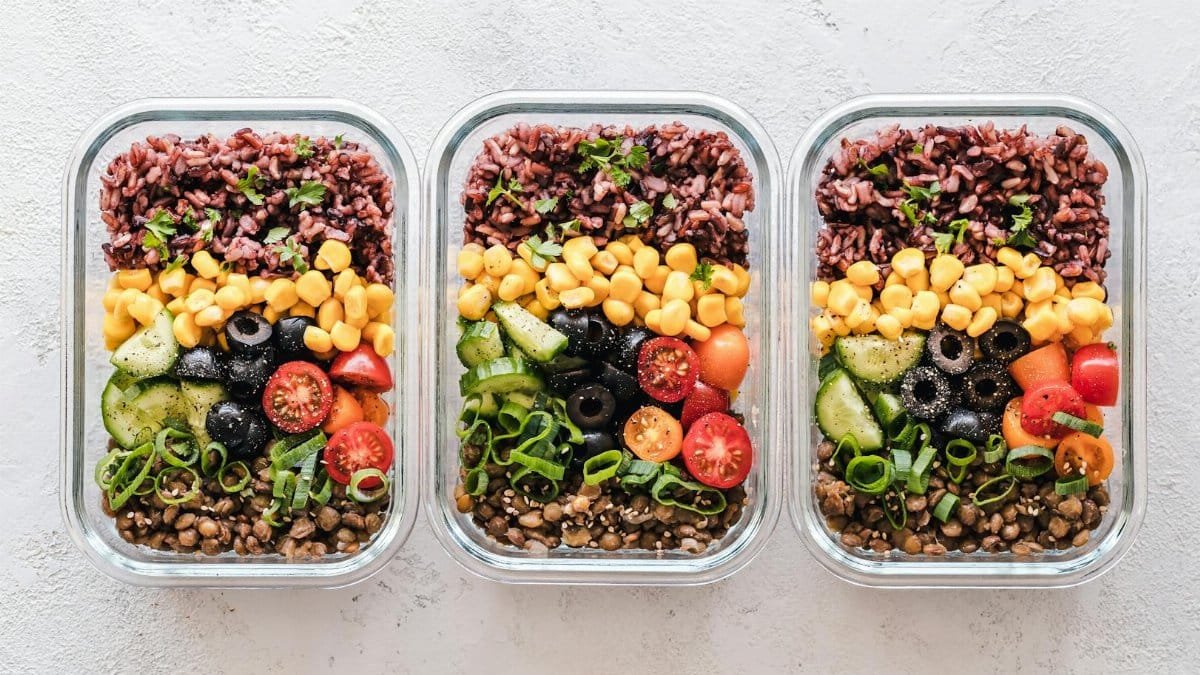
Meal prepping elevates nutrition to sacrament. Millennials batch-cook staples like grilled chicken, quinoa salads, and vegetable stir-fries. Containers stack neatly in fridges, promising healthy eats through hectic weekdays. This foresight combats decision fatigue, fostering self-reliance. The ritual’s foresight mirrors spiritual preparation, ensuring sustenance for trials ahead. Millions find empowerment here, transforming grocery hauls into acts of self-care and intention-setting.
Why It’s Non-Negotiable

The Sunday Reset demands unwavering priority. Skipping it disrupts the week, leaving homes messy and meals haphazard. Millennials treat it as sacred, blocking calendars and declining invites. This rigidity underscores its spiritual weight—no flexibility for brunches or errands. The practice’s consistency breeds reliability, much like weekly services. In 2026 U.S. trends, it reflects broader self-spirituality, where personal routines trump communal ones.
A Spiritual Practice Without Walls
No clergy, no collection plate—just a broom and cutting board. The Sunday Reset redefines spirituality as accessible and solitary. Millennials craft meaning from domesticity, finding transcendence in tidiness. Reports from January 29, 2026, spotlight this as a generational pivot. Wellness surveys echo rising interest in home-based rituals, with Gallup polls noting increased focus on mental hygiene through chores. A Gallup report on mental health trends links such practices to stability amid stress.
Impacts on Daily Life

Beyond spirituality, the Sunday Reset streamlines existence. Cleaner homes reduce stress; prepped meals cut costs and waste. Millennials gain bandwidth for work, relationships, and hobbies. The ritual’s rhythm—clean, prep, rest—mirrors Sabbath ideals, enforcing downtime. Millions report sharper focus Monday through Friday, crediting the reset’s momentum. In urban U.S. hubs, where space is tight, it maximizes efficiency.
The Broader Cultural Ripple

This trend signals spirituality’s democratization. Millennials sidestep pews for practical piety, blending hygge and minimalism. Social media amplifies it, though the core remains offline labor. By 2026, the Sunday Reset embodies resilience, helping navigate economic pressures and isolation. Its rise challenges norms, proving fulfillment hides in routine. For millions, it’s church reimagined—personal, productive, profound.