

Imagine this: You love your spouse, but every night feels like a battlefield—snoring, tossing, or clashing schedules turning pillow talk into pillow fights. Enter the “sleep divorce,” where happy couples swap one bed for two, prioritizing Z’s over cuddles. This trend isn’t about calling it quits; it’s a savvy fix for sleep woes that plague 40% of American couples. Far from fracturing bonds, it’s sparking better days and stronger marriages, as restless nights fade into rested mornings.
What Exactly Is a Sleep Divorce?
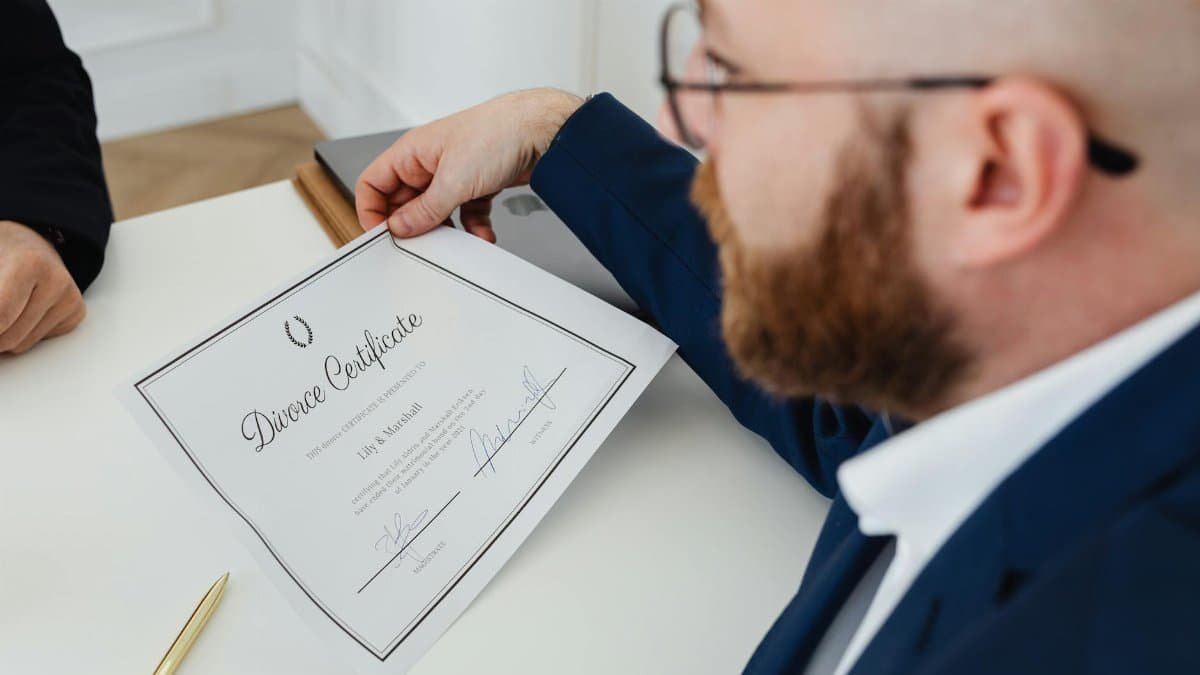
Sleep divorce means partners sleeping in separate beds or rooms, but staying very much together. It’s not a legal split or sign of trouble—think of it as bedroom real estate management. Coined recently by sleep experts, the term captures a practical shift: one mattress for each, same roof. Dr. Phyllis Zee, chief of sleep medicine at Northwestern University, calls it “a game-changer for couples where sleep incompatibility is the real enemy.”
The Sneaky Sleep Killers in Your Bed
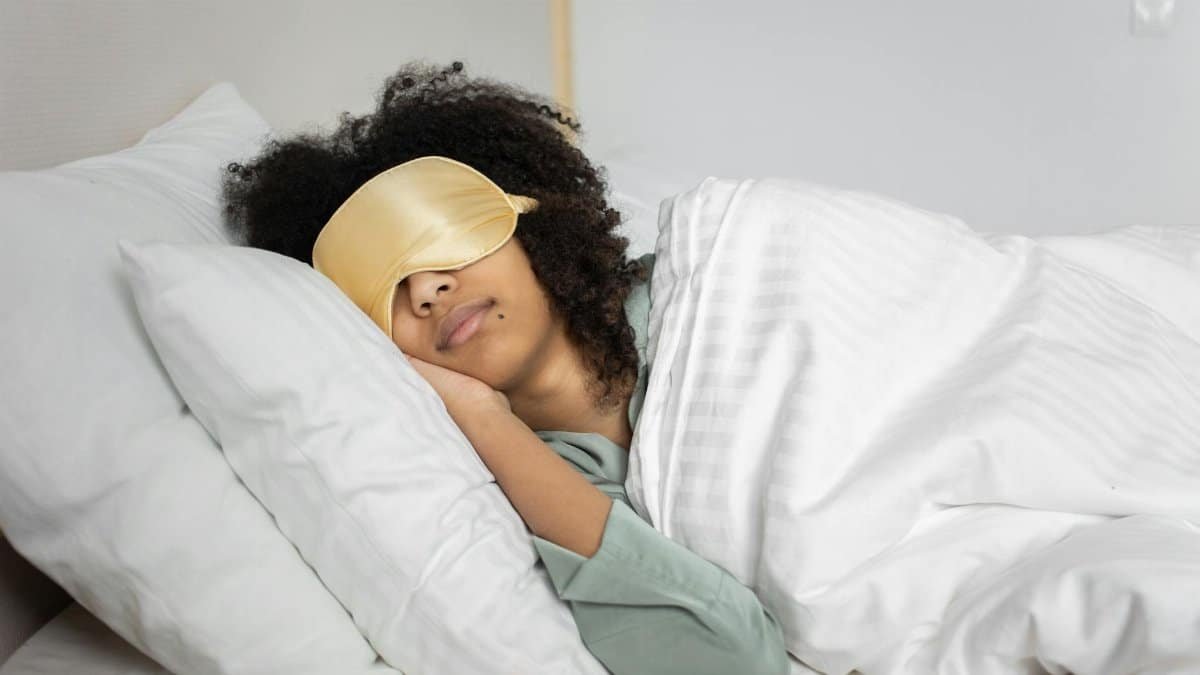
Snoring tops the list, affecting 90 million adults and driving 1 in 3 partners nuts. Add temperature wars—one freezes, the other sweats—and mismatched circadian rhythms, like night owls versus early birds. Blanket hogging and light sleepers jolted by every sigh compound the chaos. A 2023 Sleep Foundation survey found 36% of couples cite these as major stressors, breeding daytime irritability that erodes intimacy faster than forgotten anniversaries.
Science Backs the Separate Beds Boom

Quality sleep fuels everything from mood to libido. Studies show chronic sleep disruption spikes cortisol, the stress hormone, mimicking the effects of a bad fight. When couples sleep solo, REM cycles deepen, cutting insomnia risks by up to 50%, per a Journal of Sleep Research analysis. Happier rests mean sharper focus at work and fewer arguments over burnt toast. Relationship therapist Terri Orbuch notes, “Sleep divorce preserves the partnership by eliminating resentment’s root.”
Celebs Leading the Charge
Hollywood’s normalizing it. Cher has long slept apart from partners, crediting it for harmony. Newlyweds like Meghan McCain admitted to separate beds post-baby, while Will Arnett and Amy Poehler pioneered the practice during their marriage. Even Queen Elizabeth II and Prince Philip had bedroom suites at Buckingham Palace—a royal nod to practicality over romance myths. These high-profile splits from tradition signal it’s chic, not chic-less.
Numbers Don’t Lie: Stats on the Rise

A 2024 Amerisleep poll revealed 1 in 5 U.S. couples already practice sleep divorce, up 12% from 2020. Among millennials, it’s 33%, fueled by remote work blurring boundaries. Divorce rates dip in tandem: states with higher “sleep satisfaction” scores, like Colorado, see 15% fewer marital breakdowns. Economically, better sleep adds $411 billion to U.S. productivity yearly, per RAND Corporation—proof that separate beds pay dividends.
Expert Tips to Pull It Off Smoothly

Start small: try a king-size bed with a divider or guest room trial. Communicate boundaries—no TV marathons in “your” space. Schedule morning cuddles to maintain spark. Sleep specialist Wendy Troxel advises syncing wind-down rituals, like dim lights at 10 p.m., regardless of beds. Couples report 70% satisfaction after three months, with intimacy holding steady or improving via reduced fatigue.
Potential Pitfalls and How to Dodge Them

Not all rosy: some feel rejected, mistaking logistics for lost love. Emotional check-ins are key. Kids might question it, so frame as “Mommy and Daddy’s recharge zones.” Cost bites too—extra bedding runs $500—but cheaper than therapy. A minority, about 10%, revert after honeymoon phase, often due to poor planning. Success hinges on viewing it as teamwork, not trial separation.
A Nod to History: Separate Beds Aren’t New

Victorians prized twin beds for hygiene and propriety; Lucy and Ricky Ricardo had sitcom separates. Post-WWII, the double bed boomed with suburbia, but now we’re circling back. Global data from Europe shows 42% of Swedish couples sleep apart, with marital happiness scores leading the world. It’s evolution, not revolution—adapting to modern stressors like screens and stress.
Ultimately, sleep divorce flips the script: by sleeping solo, couples wake up duo-strong. As one satisfied wife told us, “We fought less, laughed more, and rediscovered why we said ‘I do.'” In a world chasing perfect nights, this trend proves sometimes space is the ultimate aphrodisiac.
By Natasha Weber