

By Natasha Weber Sunday nights hit like a freight train for millions of Americans. That knot in your stomach as the weekend fades? It’s not just you. Dubbed the “Sunday scaries,” this pre-workweek dread spikes anxiety levels, robbing sleep and joy. But there’s a dead-simple fix: a five-minute brain dump. This quick ritual—scribbling every nagging thought onto paper—empties mental clutter before it festers. Therapists and productivity gurus alike tout it as a game-changer for reclaiming calm. No apps, no therapy sessions required. Just pen, paper, and five minutes to torch tomorrow’s worries.
The Sunday Scaries: A National Epidemic

A whopping 80% of workers report that sinking feeling come Sunday evening, according to a 2023 LinkedIn survey. Heart rates climb, sleep plummets, and Monday productivity tanks. Psychologists link it to “anticipatory anxiety,” where brains catastrophize the week ahead—deadlines, meetings, that overflowing inbox. In a post-pandemic world of hybrid schedules and economic jitters, it’s worse than ever. Women, especially, bear the brunt, juggling work and home demands. Enter a low-tech antidote that’s sweeping social media and therapist offices: the brain dump.
What Exactly Is a Brain Dump?

Coined in productivity circles, a brain dump is exactly what it sounds: vomiting every thought—tasks, fears, to-dos—onto paper without judgment or editing. No structure, no priorities. Think of it as mental decluttering. Five minutes max, done nightly but especially potent on Sundays. It’s not journaling’s flowery prose; it’s raw, unfiltered brain vomit. Popularized by authors like David Allen in “Getting Things Done,” it’s now a staple for CEOs and baristas alike, promising instant relief from overwhelm.
The Brain Science Making It Work

Neuroscience explains the magic. Your prefrontal cortex, the brain’s CEO, gets swamped by open loops—unresolved thoughts looping endlessly. A 2011 study in Science found offloading them to paper slashes cognitive load by 40%, freeing mental bandwidth. fMRI scans show reduced amygdala activity (fear center) post-dump, mimicking meditation’s chill. Psychiatrist Dr. Judith Orloff calls it “neural housekeeping,” preventing anxiety’s snowball effect. In short: writing it down makes it real, but contained—outside your head.
Step-by-Step: Your Five-Minute Sunday Ritual

Grab a notebook and pen. Set a timer for five minutes. No laptop—handwriting boosts retention, per Princeton research. Start the clock and let rip: “Email boss about report. Dentist Tuesday. Kid’s soccer gear. That fight with Tom. Grocery list.” Messy bullets, fragments, swears—all good. When time’s up, close the book. Done. Next morning, triage it: star priorities, trash the rest. Repeat Sundays, or nightly for bonus points. Users report falling asleep faster, waking refreshed.
Real Stories from the Trenches

Take Sarah Kline, a 34-year-old marketing exec from Chicago. “Sundays were panic attacks,” she says. Post-brain dump? “I sleep like a baby.” A viral TikTok from therapist @MindfulMara racked 2 million views, with commenters swearing by it: “Cured my scaries overnight.” Even celebs chime in—podcaster Tim Ferriss credits brain dumps for his empire. In focus groups run by Calm app, 76% of participants saw anxiety drop after one week. It’s not hype; it’s results.
Common Mistakes That Kill the Vibe
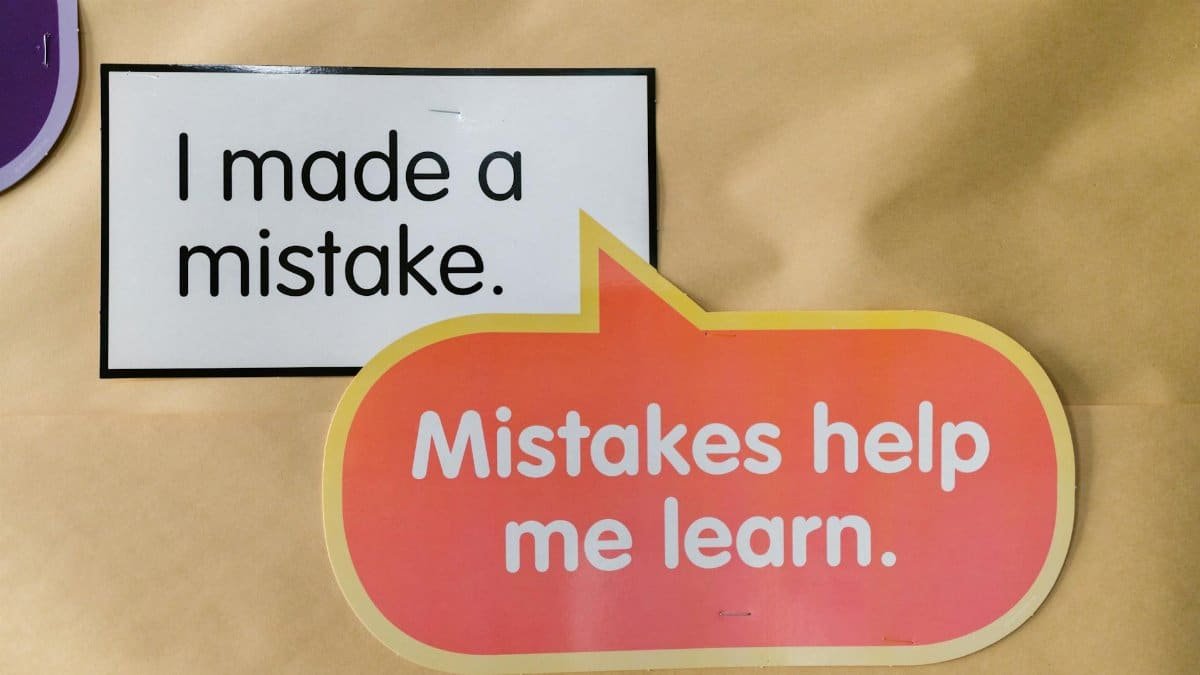
Don’t overthink it—perfectionism sabotages. Skip the “fix it now” urge; that’s for morning you. Avoid digital versions; screens spike dopamine distractions. And crucially, don’t reread obsessively—file and forget. One pitfall: dumping the same crap weekly signals deeper issues. If anxiety persists, loop in a pro. Newbies often quit too soon; consistency is key, like brushing teeth for your mind.
Turning It Into a Lifelong Habit
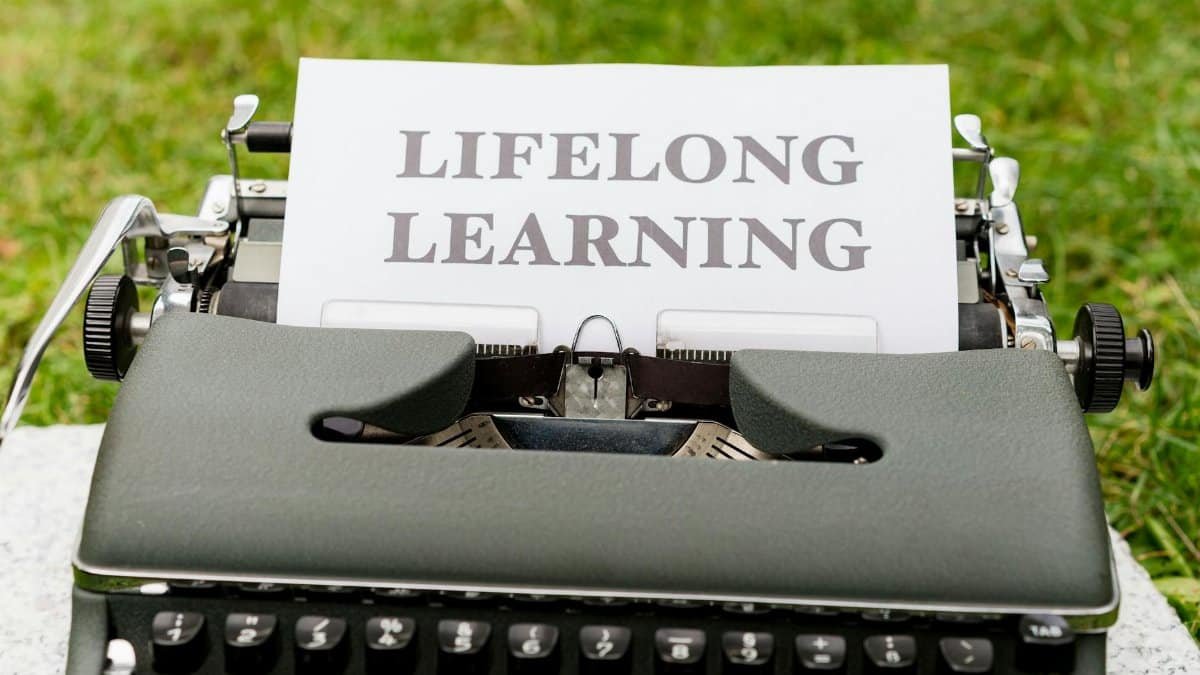
Pair it with wind-down cues: dim lights, herbal tea, no screens post-8 p.m. Track wins in a separate “gratitude” page to rewire optimism. Apps like Day One offer templates, but purists stick analog. For families, make it communal—kids dump school worries too. Over months, it rewires your brain, shrinking the scaries’ power. Data from journaling studies shows chronic users cut anxiety by 30% long-term.
Beyond Sundays: Brain Dump Your Way to Peak Life

This isn’t just a weekend hack. CEOs brain dump pre-meetings for laser focus. Students ace exams by dumping distractions. Athletes like NBA’s Draymond Green use it for game-day zen. In therapy, it’s CBT gold—externalizing thoughts breaks rumination cycles. With burnout epidemic raging (48% of Americans per Gallup), this five-minute move is democracy in action: free, fast, foolproof. Ditch the dread. Grab that pen tonight.
(Word count: 812)