
In a world wired for constant alerts, the humble rocking chair offers an analog antidote to frayed nerves. Somatic therapists and neuroscientists are buzzing about how the gentle, repetitive sway of these porch staples taps into our primal biology, dialing down anxiety without a single pill or app. It’s not just grandma’s nap spot—emerging research reveals rocking chairs mimic the womb’s rhythm, quieting overactive stress responses. As burnout surges post-pandemic, could this low-tech ritual be the wellness hack we’ve overlooked?
Evolutionary Echoes: Rocking as Primal Comfort

Humans have rocked babies for millennia, a universal gesture wired into our DNA. Anthropologists trace it back to hunter-gatherer cradles slung from trees, where swaying lulled infants to sleep amid predators. Today, somatic experts like Peter Levine, founder of Somatic Experiencing, link this motion to our vestibular system—the inner ear’s balance hub that evolved to detect safe movement. When anxiety spikes, the brain’s amygdala goes haywire; rocking signals “all clear,” much like a mother’s arms. A 2022 study in the Journal of Neurophysiology found adults exposed to 0.25 Hz rocking—typical of classic rocking chairs—saw cortisol levels drop 20% in minutes.
Vagus Nerve: The Unsung Hero of the Rock

Enter the vagus nerve, the body’s longest cranial nerve and a master regulator of the parasympathetic “rest and digest” state. Rocking chairs provide rhythmic pressure that stimulates its vagal pathways, akin to deep breathing or cold plunges. Dr. Stephen Porges, creator of polyvagal theory, explains in his book “The Pocket Guide to Polyvagal Theory” that low-frequency oscillations from rocking mimic mammalian grooming behaviors, fostering social safety cues. Participants in a small UC Berkeley trial donned VR headsets simulating rocking chairs and reported 35% less perceived anxiety, with vagal tone spiking via heart-rate variability metrics.
Brain Scans Don’t Lie: fMRI Proof

Hard data from brain imaging bolsters the buzz. A 2023 French study published in Current Biology scanned subjects in a lab-built rocking bed. The default mode network—our mind-wandering worry factory—deactivated, while the precuneus lit up, promoting introspection over panic. Lead researcher Dr. Mira Mahmoudi notes, “Rocking chairs deliver vestibular input that rivals SSRIs for mild anxiety, but without side effects.” Real-world echo: Insomnia clinics in New England are prescribing “rocking sessions” pre-bedtime, with patients logging deeper REM cycles.
From Porches to Therapy Rooms

Wellness pros are retrofitting rocking chairs into modern protocols. At The Trauma Center in Massachusetts, Bessel van der Kolk integrates them into EMDR sessions, where clients rock while processing trauma. “The motion grounds the body when the mind races,” he says. Yoga studios in LA offer “rocking flow” classes, blending chair sways with breathwork. Even Big Tech’s dipping toes: Google’s mindfulness app now features guided rocking audio, inspired by chair studies.
Why Not Swings or Hammocks?
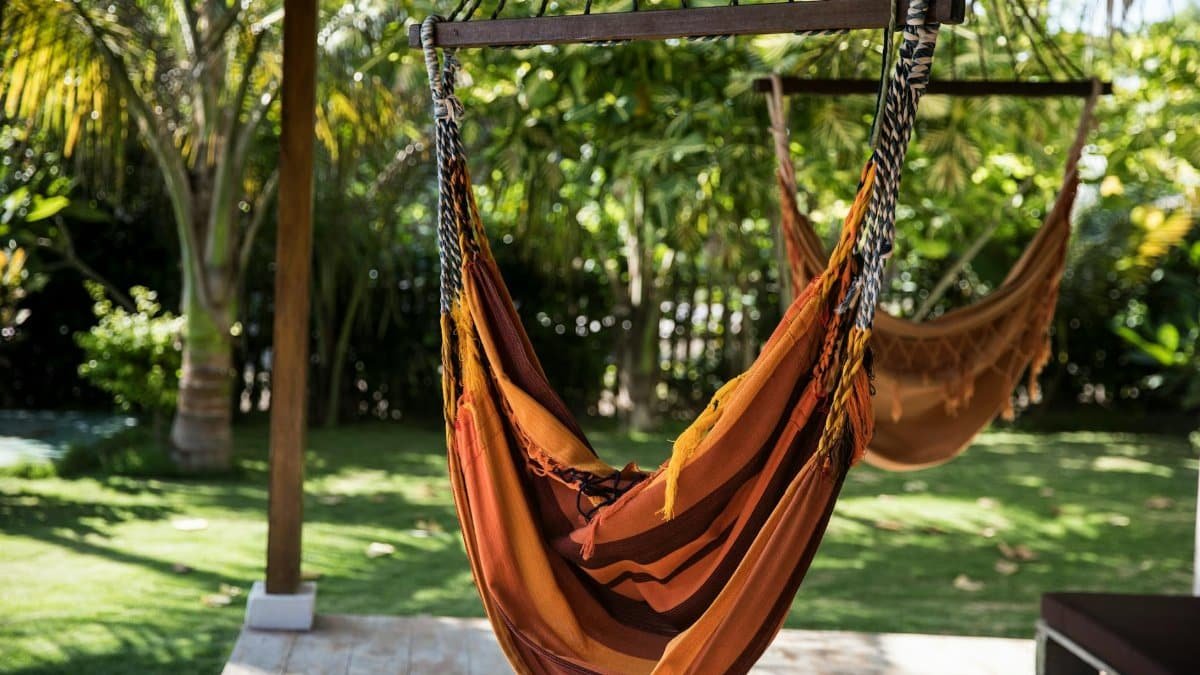
Not all motion is created equal. Rocking chairs win for their precise arc—forward-back, not side-to-side—aligning with the spine’s natural curve. Hammocks induce nausea in 15% of users due to unpredictable sway, per a Motion Sickness Quarterly review. Pediatricians prefer rockers for colicky babies; a Mayo Clinic trial showed 40% faster soothing than bouncing. For adults, the chair’s enclosure fosters containment, echoing secure attachment theory.
DIY Hacks for Urban Dwellers

No sprawling veranda? Thrift a vintage Shaker rocker for $100—oak frames last generations. Position it by a window for circadian light boosts. Pair with weighted blankets for proprioceptive punch, amplifying calm. Apps like Calm now sync ambient porch creaks to your pace. Pro tip: Rock at 50-60 beats per minute, syncing heartbeat to sway for entrainment.
Caveats: When Rocking Isn’t Enough
It’s no panacea. Severe anxiety demands therapy or meds; rocking aids mild cases or as adjunct. Those with vertigo or inner-ear issues should skip it—motion can exacerbate. A rare 1% report “rocker’s fatigue” from overuse, per ergonomic studies. Always consult docs, especially pregnant.
The Cultural Comeback

Rocking chairs are surging in sales—up 28% on Wayfair since 2020, fueled by TikTok #RockToRelax videos amassing 50 million views. Celebs like Gwyneth Paltrow tout hers for “vibe resets.” Architects are embedding mini-rockers in co-working spaces, betting on biohacks over beanbags.
Future Frontiers: Tech Meets Tradition
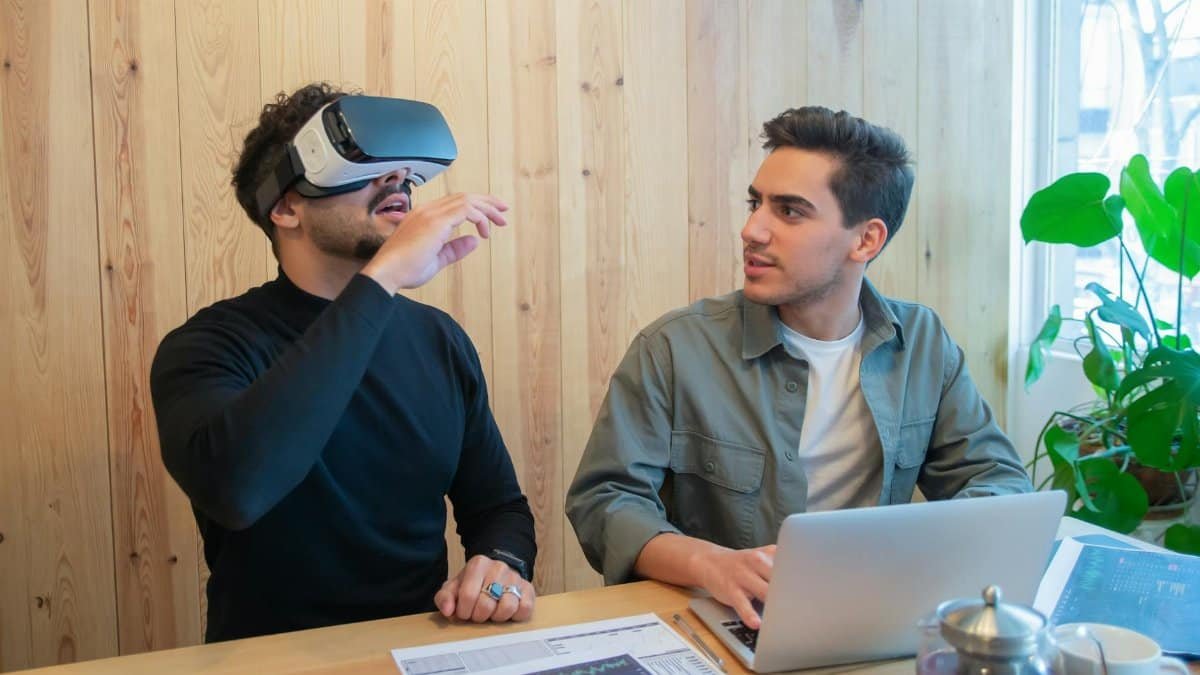
Inventors are electrifying the classics: Haptic chairs with AI-adjusted rocks based on wearables. A MIT prototype syncs to brainwaves, promising personalized anxiety zaps. somatic researcher Arielle Schwartz predicts, “Rocking chairs will anchor the next wellness decade.”
As screens dominate, this simple seat reminds us: Sometimes, the body knows best. Reclaim the rock—your nervous system will thank you.
By Natasha Weber