
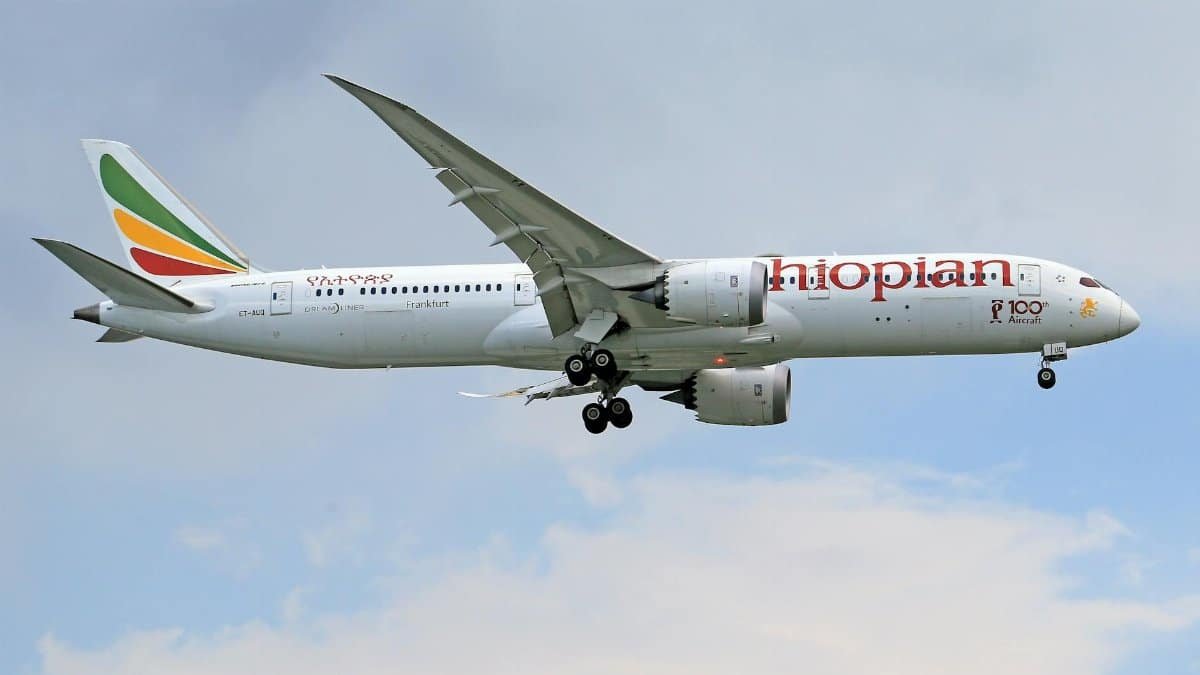
As the engines hum to life and the plane taxis down the runway, a wave of unease washes over countless passengers. Hearts race, palms sweat, and thoughts spiral into visions of turbulence or worse. This is flight anxiety in action, a condition that affects up to 40 percent of air travelers according to the Anxiety and Depression Association of America. Yet amid the roar of jet engines, a quiet tool emerges from the intersection of ancient wisdom and modern neuroscience: the 4 7 8 breathing technique. Developed by Dr. Andrew Weil, it promises to restore calm through deliberate inhales, holds, and exhales. For those gripped by fear of flying, this method could transform dread into composure, backed by studies showing its impact on the bodys stress response.
Decoding the Grip of Flight Anxiety
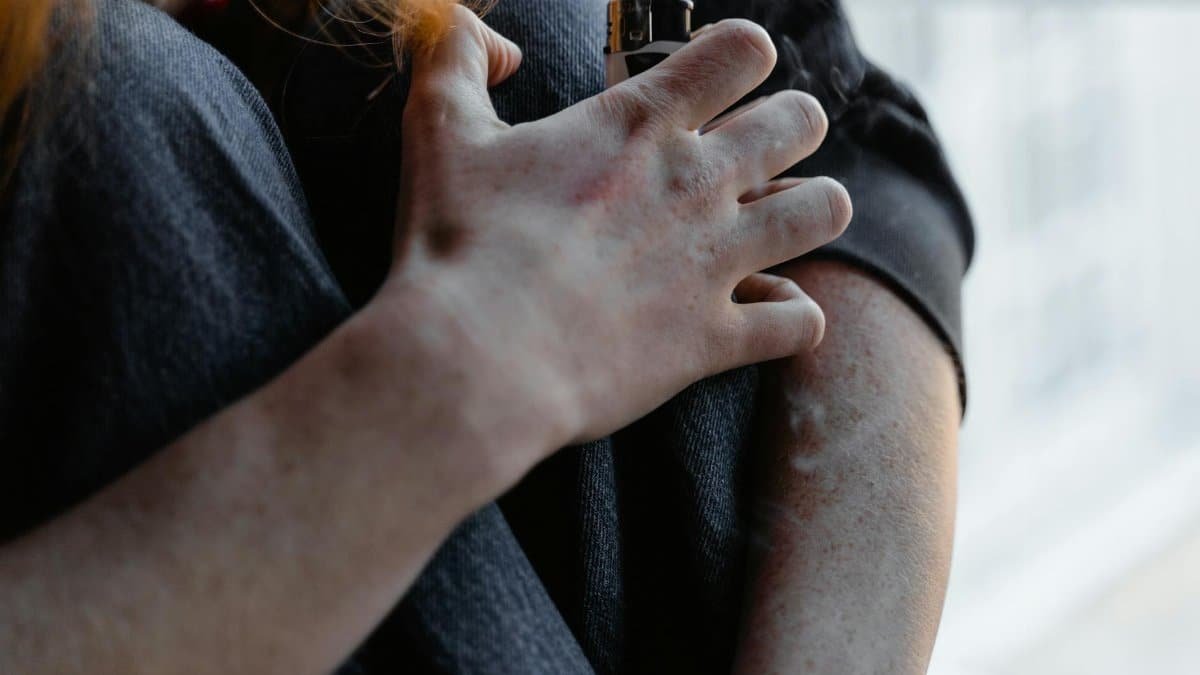
Flight anxiety stems from a potent mix of evolutionary instincts and contemporary triggers. Our ancestors survived by heeding fears of heights and enclosed spaces, responses that misfire in a Boeing 737 at 35,000 feet. Today, factors like crowded cabins, unpredictable weather, and rare but vivid news of incidents amplify the response. Physiologically, it activates the sympathetic nervous system, flooding the body with adrenaline and cortisol. Palpitations, nausea, and hyperventilation follow, trapping sufferers in a cycle of panic. Surveys from the Cleveland Clinic reveal that 25 million Americans avoid flying altogether due to this fear, costing the aviation industry billions in lost revenue. Understanding these roots is the first step toward reclaiming control.
The Roots of the 4 7 8 Breathing Method

Dr. Andrew Weil, a pioneer in integrative medicine, introduced the 4 7 8 technique in the late 1990s, drawing from yogic pranayama traditions traced back thousands of years to India. Pranayama, meaning control of life force through breath, has long been used to balance mind and body. Weil refined it into a simple protocol: inhale quietly through the nose for four counts, hold for seven, and exhale through the mouth for eight, making a whooshing sound. He prescribes it for sleep, stress, and anxiety, positioning it as a drug free alternative. On his website, Weil details how regular practice rewires habitual tension patterns, making it accessible even for beginners wary of meditation.
Breath as a Bridge to the Parasympathetic State
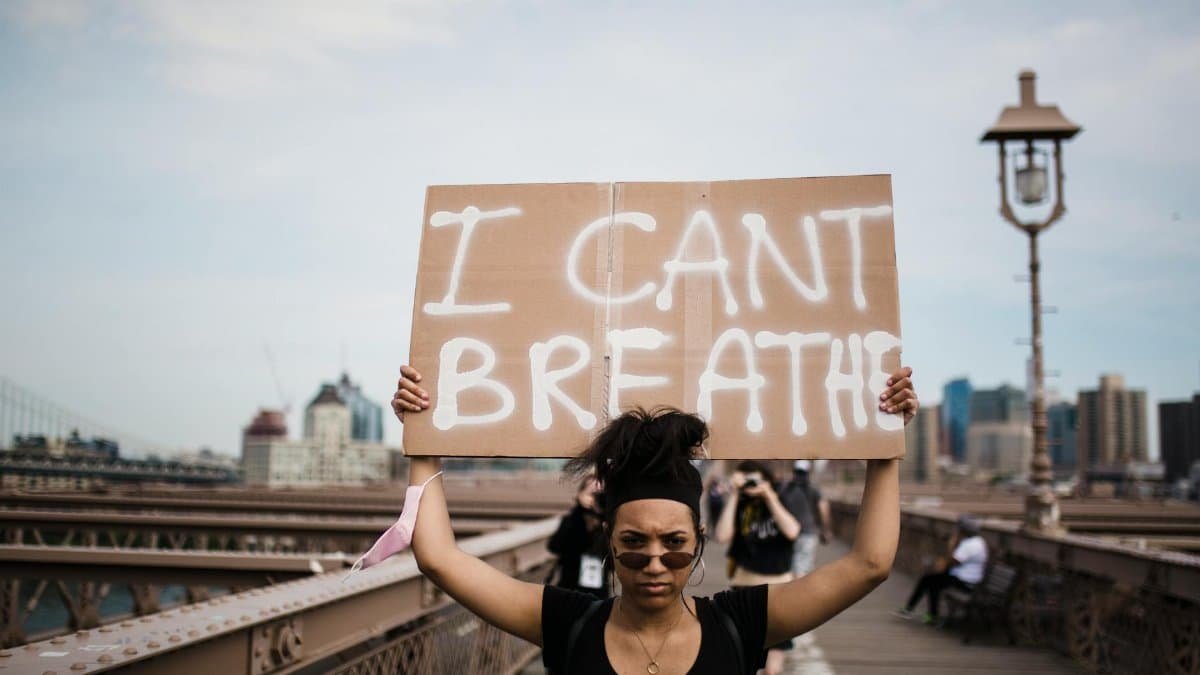
At its core, the 4 7 8 technique leverages the vagus nerve, a key player in the parasympathetic nervous system responsible for rest and digest functions. Slow, extended exhalations signal safety to the brain, countering the fight or flight mode. Research from the National Center for Biotechnology Information explains that prolonged exhales increase heart rate variability, a marker of resilience to stress. When anxiety spikes, shallow breathing perpetuates hyperarousal; the elongated hold and exhale interrupt this, promoting oxygenation and carbon dioxide balance. Neuroimaging studies, such as one published in the Journal of Neurophysiology, show breathwork quiets the amygdala, the fears epicenter, fostering a sense of grounded presence.
Step by Step: Mastering 4 7 8 Before Takeoff
Begin in a comfortable seat, spine straight but relaxed. Close your eyes if privacy allows, or fix gaze softly ahead. Part your lips slightly and exhale completely through your mouth with a whoosh to clear residual air. Inhale smoothly through your nose for a count of four, feeling your belly expand. Hold that breath effortlessly for seven counts, neither straining nor slumping. Then, purse your lips and exhale for eight counts, engaging your diaphragm fully. Repeat the cycle four times initially, building to eight with practice. Dr. Weil recommends daily sessions twice a day for four weeks to embed the habit, ensuring it deploys instinctively when flight anxiety strikes.
Evidence from the Lab: Studies on Breathwork Efficacy
Scientific validation for 4 7 8 breathing builds steadily. A 2018 study in the journal Frontiers in Psychology tested similar protocols on 108 participants with public speaking anxiety, finding significant drops in self reported tension after just five minutes. Heart rates fell by 12 percent on average. For aviation specific fears, a pilot program by the University of Pennsylvania School of Medicine incorporated breath training in exposure therapy, yielding 68 percent improvement rates ( read the study here ). Broader meta analyses from Harvard Medical School affirm breathworks role in lowering cortisol by up to 25 percent, rivaling some pharmaceuticals without side effects.
Tailoring 4 7 8 for Mid Flight Turbulence

Once airborne, discretion is key in a shared cabin. Practice silently: shorten counts if needed to four, five, six for subtlety, maintaining the exhale emphasis. During bumps, pair it with progressive muscle relaxation, tensing and releasing seat gripping hands. Seatmates need not know; the beauty lies in its invisibility. Frequent flyers report using it during takeoff and landing, the peaks of anxiety. One Delta Air Lines survey noted 30 percent of passengers employ breathing exercises post turbulence announcements, underscoring its practicality amid 500 daily U.S. flights.
Voices from the Skies: Passenger Testimonials

Sarah Kline, a 52 year old marketing executive from Chicago, once white knuckled every business trip. After discovering 4 7 8 via a wellness app, she logged 47 flights last year without a single panic attack. I went from dreading Monday mornings at O Hare to viewing travel as routine, she shared in an interview. Similarly, veteran pilot Tom Reilly teaches the technique in crew briefings, noting its uptake among flight attendants facing their own jitters. These anecdotes align with data from the Flight Anxiety Association, where 72 percent of breathwork adopters report sustained relief.
Enhancing 4 7 8 with Complementary Strategies

While potent alone, 4 7 8 amplifies when layered. Pre flight visualization imagining smooth sails pairs well, as does grounding via five senses: name three sights, sounds, textures. Herbal aids like chamomile tea or lavender diffusers in carry ons provide sensory cues. Apps such as Calm offer guided sessions tailored to aviation phobia. For chronic cases, cognitive behavioral therapy from providers like SOAR integrates breathwork into desensitization, boasting 95 percent success rates ( explore SOAR resources ). Hydration and light snacks stabilize blood sugar, preventing anxiety mimics.
Navigating Limitations and Professional Guidance
No technique is universal. Those with respiratory conditions like asthma should consult physicians, as breath holds may strain. Panic disorder sufferers might need therapy first. The American Psychological Association cautions that while breathwork aids mild to moderate flight anxiety, severe phobias warrant exposure protocols. Track progress in a journal: rate anxiety pre and post practice on a 1 10 scale. If scores linger above seven, seek aviation psychologists certified by the Aeromedical Association. Patience matters; mastery unfolds over weeks, not hours.
Building a Pre Flight Ritual for Lasting Calm

Embed 4 7 8 into travel prep for proactive defense. Start mornings with sessions post coffee, evenings before packing. Airport arrival becomes ritual: find a gate side bench, cycle through four rounds amid the bustle. Pair with noise cancelling headphones playing ocean waves, syncing breath to rhythms. Long term, it cultivates resilience beyond planes, easing commutes or deadlines. As air travel rebounds post pandemic, with TSA screening 2.5 million passengers daily, equipping minds with such tools ensures journeys remain gateways to adventure, not ordeals.
In an era of packed skies and global connectivity, flight anxiety need not ground ambitions. The 4 7 8 technique stands as elegant proof that science and simplicity can conquer fear, one breath at a time. Millions poised to soar might find liberation in counts of four, seven, and eight.Chris F. Weber is a health and wellness reporter based in New York, covering mind body intersections for national outlets.