

Think twice before hitting the pillow with damp strands. Dermatologists issued a stark warning on February 17, 2026: sleeping with wet hair fosters “wet hair fungal” growth, turning your scalp and pillowcase into prime spots for infection. It’s not just discomfort—it’s a health hazard that goes beyond a simple chill. Experts say the moisture trapped overnight creates ideal conditions for fungi to thrive, potentially leading to stubborn scalp issues. This alert underscores a common habit with serious consequences.
Dermatologists Sound the Alarm

On February 17, 2026, dermatologists delivered a clear message: sleeping with wet hair isn’t harmless. The warning cut through routine advice, highlighting how damp locks overnight invite fungal trouble. Professionals emphasized that this practice turns bedtime into a risk zone. No more dismissing it as a minor quirk. The alert aimed to shift habits before infections take hold.
The Science Behind Wet Hair Fungal
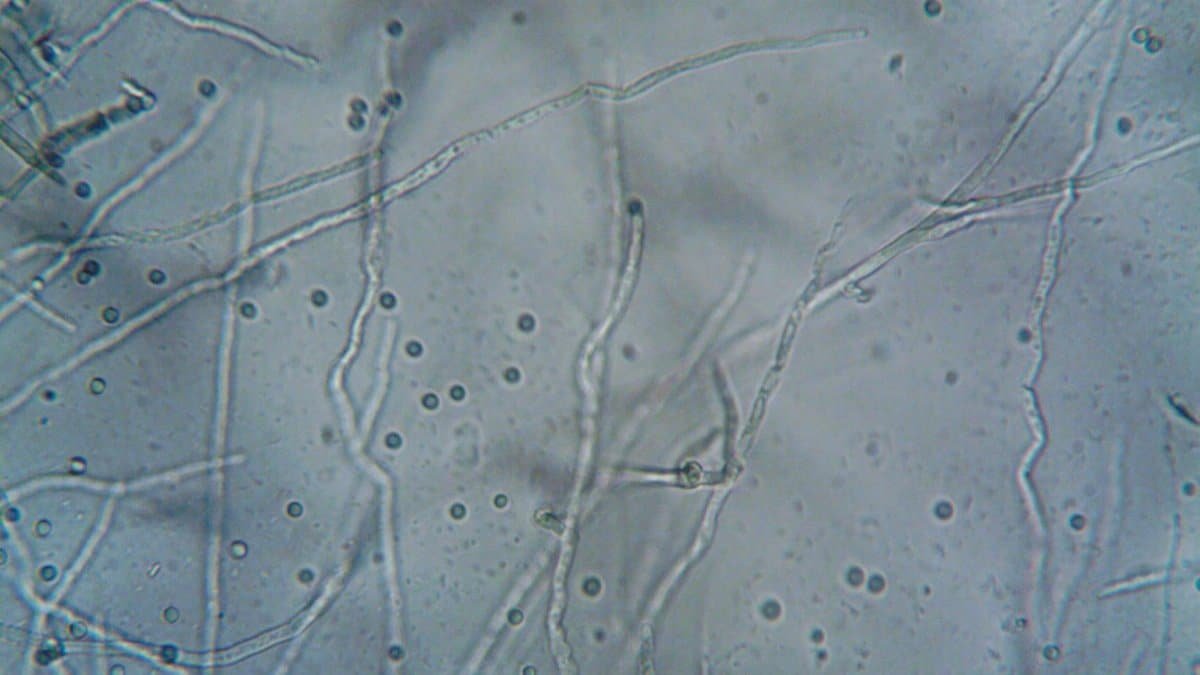
Wet hair fungal refers to the fungal infections sparked by moisture lingering on the scalp. When hair stays wet during sleep, it traps humidity against the skin. Fungi love this environment—warm, dark, and damp. Dermatologists explained that pillows absorb the moisture, amplifying the problem. Over hours, spores multiply unchecked. This isn’t theory; it’s a direct result of prolonged wetness.
Scalp at Direct Risk

Your scalp bears the brunt. Wet hair keeps the area soaked, creating a breeding ground right where follicles live. Fungal infections can inflame the skin, cause itching, and lead to flaking. Dermatologists noted these issues mimic dandruff but stem from fungi exploiting the moisture. Left alone, they spread, disrupting hair growth. The 2026 warning stressed early awareness to prevent escalation.
Pillowcases Turn Toxic
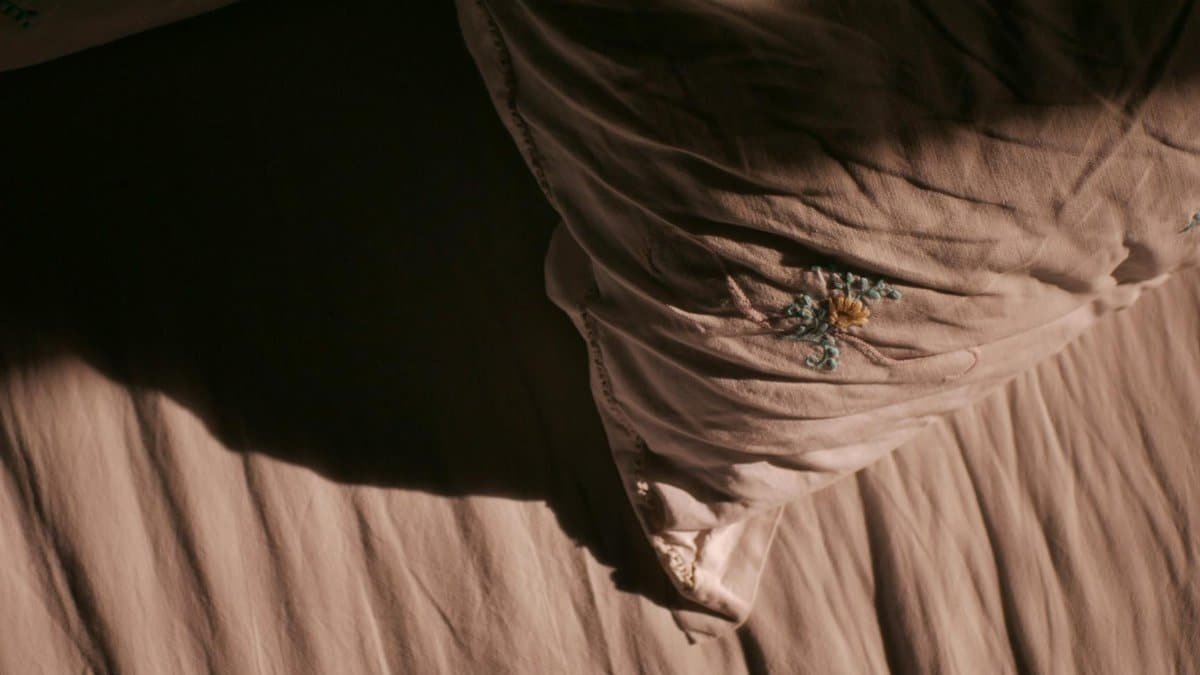
Pillows aren’t innocent bystanders. They soak up water from wet hair, becoming fungal hotspots overnight. Dermatologists pointed out that pillowcases harbor spores, ready to reinfect night after night. Washing alone may not suffice if the habit persists. This cycle sustains wet hair fungal, making bed linens a silent culprit. Change covers frequently, experts urged, but dry hair first.
Why Moisture Fuels Fungi

Fungi thrive in dampness. Sleeping with wet hair provides exactly that—eight hours of ideal conditions. Dermatologists compared it to a petri dish: scalp oils mix with water, feeding growth. The February 17 alert detailed how this differs from daytime wetness, which evaporates. Nighttime trapping changes everything, birthing resilient infections. For more on fungal growth in moist environments, see the CDC Fungal Diseases page.
Common Signs to Watch For

Spot wet hair fungal early. Look for red, itchy patches on the scalp. Flakes that don’t respond to shampoo signal trouble. Hair may thin or break near roots. Dermatologists warned these mimic allergies but point to fungi. Pillow stains or musty odors hint at spread. The 2026 message pushed vigilance: don’t ignore post-shower sleep routines.
Health Impacts Beyond Itching

Infections from wet hair fungal aren’t superficial. They can cause pain, swelling, and secondary bacterial issues. Dermatologists highlighted risks for those with weakened immunity. Hair breakage follows as fungi weaken shafts. In severe cases, treatment drags on. The warning framed it as preventable, urging a dry-hair rule for scalp health.
Expert Prevention Tips
Dermatologists offered straightforward fixes. Blow-dry or air-dry hair fully before bed. Use silk pillowcases to reduce friction and moisture retention. Avoid tight hairstyles that trap dampness. Weekly deep cleans for pillows help. The February 17, 2026, advisory boiled it down: dryness defeats fungi. Consistency matters most.
Real-World Ties to Daily Habits

Many skip drying after showers, rushing to sleep. Dermatologists linked this to rising scalp complaints in 2026. Gym-goers and swimmers face higher odds, hair wet from routines. The warning targeted these groups, noting urban humidity worsens it. Awareness campaigns aim to break the cycle.
Broader Implications for 2026

This dermatologist alert fits 2026 health trends: simple habits under scrutiny. Wet hair fungal joins warnings on sleep hygiene. As awareness spreads, expect more focus on preventive dermatology. For scalp fungal basics, check the American Academy of Dermatology on scalp ringworm. Act now—your pillow depends on it.
Dermatologists’ February 17, 2026, caution remains timely. Sleeping with wet hair invites unnecessary risk. Prioritize dry locks for a healthier scalp and bed. The message is clear: prevention trumps cure every time.