

In the dim glow of a community center in suburban Chicago, Sarah Kline, a 52-year-old marketing executive, dips her brush into cobalt blue and swirls it across a canvas. The result? A lopsided seascape that could make a toddler blush. Yet Kline beams with unfiltered delight. She is what psychologists are calling a joyful novice: someone who dives into hobbies not for Instagram perfection, but for the sheer thrill of trying. This mindset, gaining traction amid burnout epidemics, promises to reclaim leisure from the stranglehold of expertise. As experts note, embracing amateur status can dismantle perfectionism, boost resilience and spark unexpected creativity in midlife.
The Burden of Instant Expertise
Modern life demands proficiency in everything from sourdough baking to Peloton sprints. Social media amplifies this, turning hobbies into performance art. A 2022 study from the Journal of Personality and Social Psychology found that 68 percent of adults feel pressure to excel at leisure activities, linking it to heightened anxiety levels. Enter the joyful novice. By deliberately choosing pursuits where failure is inevitable, people sidestep this trap. Kline, for instance, joined her painting class after years of scrolling past flawless artworks online. Now, her weekly sessions offer respite, a space where smudges are celebrated, not critiqued.
Psychological Roots of Joyful Play
Mihaly Csikszentmihalyi’s concept of flow—being fully immersed in an activity—underpins the joyful novice ethos. But flow requires matching challenge to skill. For novices, the challenge is high, skill low, creating what researchers term “high-novice flow,” a state of exuberant engagement without self judgment. A University of Pennsylvania study ( link ) showed participants in beginner pottery classes reported 40 percent higher life satisfaction than those in advanced ones. The key? Process over product. Joyful novices rewire their brains to value effort, echoing Carol Dweck’s growth mindset research.
Combating Midlife Perfectionism
Middle age brings a perfectionism peak, fueled by career plateaus and family demands. Therapists observe clients gripped by “hobby shame,” abandoning pursuits after initial stumbles. The joyful novice counters this. Take Robert Hale, 47, a software engineer from Austin who took up woodworking. His first birdhouse resembled modern art gone wrong, but persistence yielded joy. “I stopped caring about straight lines,” he says. Data from a 2023 American Psychological Association survey indicates that adults over 45 who embrace novice hobbies experience 25 percent less stress, attributing it to lowered self-expectations.
Social Media’s Double-Edged Sword
Platforms like TikTok showcase viral knitting prodigies, setting unattainable bars. Yet they also birth joyful novice communities, such as #BadArtClub on Instagram, with 200,000 members sharing gloriously imperfect creations. This shift normalizes amateurism. Psychologists warn that curated feeds erode intrinsic motivation, but joyful novices reclaim it by logging off mid project. A Stanford study ( link ) links reduced social media hobby exposure to greater enjoyment. For middle-aged users, weaned on highlight reels, this feels revolutionary.
Real Lives Transformed

Across the country, joyful novices proliferate. In Seattle, Lisa Tran, 55, strums ukulele at open mics, her off-key covers drawing cheers. She credits it with easing her divorce recovery. In Miami, retiree Javier Ruiz dances salsa poorly but passionately, crediting it for renewed vitality. These stories echo clinical findings: a British Journal of Psychology paper reports novice hobbyists show improved emotional regulation. Therapists now prescribe “joyful novice therapy,” urging patients to pick deliberately tough hobbies like juggling or poetry slams, fostering humility and delight.
Health Benefits Beyond the Mind
The perks extend physically. Joyful novices move more, laugh harder. A Harvard Medical School review found unstructured hobby time correlates with lower cortisol and better sleep. Golfers who hack through roughs report higher endorphin rushes than pros. For the over-50 crowd, this matters: reduced perfection pressure means sustained participation, warding off sedentary decline. Neurologists note dopamine surges from novice triumphs, like a first wobbly yoga tree pose, rival competitive wins.
Building a Joyful Novice Practice
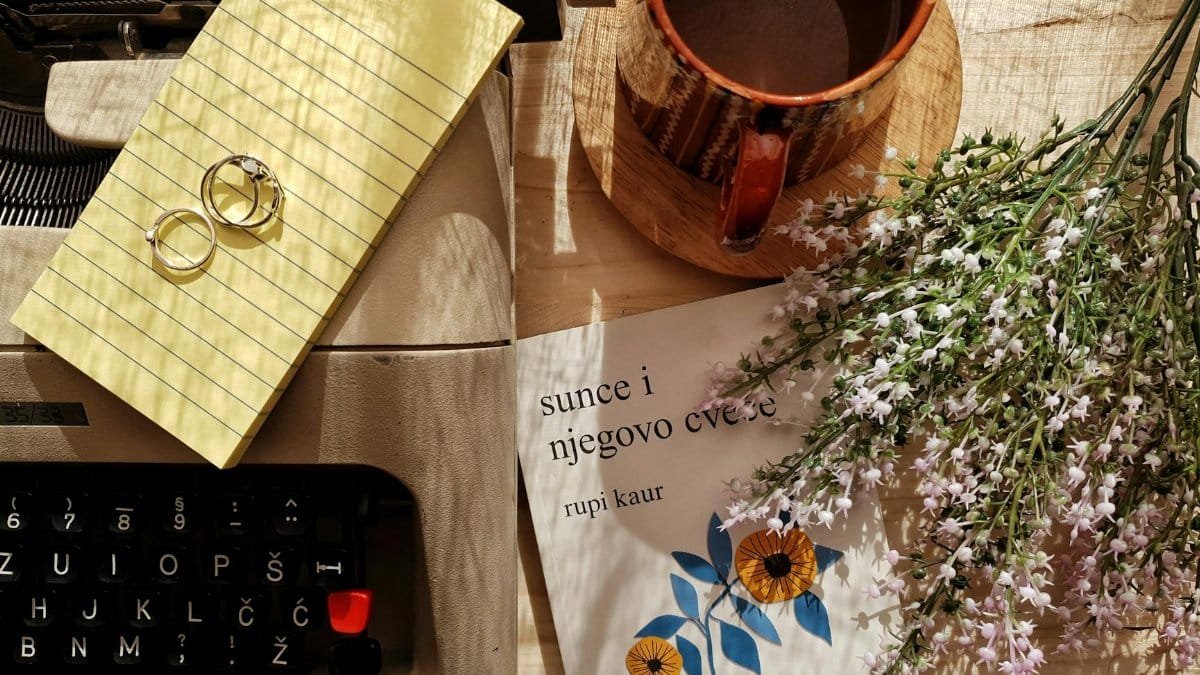
Starting requires intention. Experts recommend the “five-minute rule”: commit minimally to bypass intimidation. Choose “absurdly hard” activities—ice skating for the uncoordinated, say—to ensure novice status. Track not progress, but “joy moments.” Apps like Day One help log these without metrics. Communities amplify it: libraries host “fail-friendly” workshops. For skeptics, remember: Picasso was once a joyful novice, filling sketchbooks with what he called “beautiful mistakes.”
Workplace Echoes and Broader Implications

This mindset infiltrates careers. Companies like Google encourage “20 percent time” for unskilled tinkering, birthing innovations like Gmail. Joyful novices at work experiment fearlessly, boosting creativity. A McKinsey report estimates such cultures lift productivity 20 percent. In personal realms, it mends relationships: couples bonding over botched cooking classes report deeper intimacy. As society grapples with exhaustion, the joyful novice offers a blueprint for sustainable fulfillment.
Critics and the Path Forward
Not everyone buys in. Some argue structure breeds mastery, dismissing novice joy as escapism. Yet longitudinal studies counter this: sustained hobbying, novice or not, enhances well-being. Critics overlook midlife’s brevity—why not savor the stumble? Looking ahead, expect joyful novice retreats and apps gamifying imperfection. Psychologists predict a cultural pivot, with “expert fatigue” driving adoption. For now, in backyards and basements, the revolution simmers, one off-key note at a time.
As Sarah Kline packs her paints, canvas dripping, she embodies the ethos. The joyful novice reminds us: proficiency is optional, joy essential. In reclaiming hobbies this way, we rediscover life’s playful core, one imperfect stroke after another.