

In the bustling cafes of Austin, Texas, where young professionals chase dreams amid skyrocketing rents, Sarah and Mike have carved out an unconventional life. They cook meals together, split bills down the middle, and plan for retirement, all without a single kiss or bedroom shared. This is the world of platonic partnerships, a growing arrangement among Gen Z and Millennials who prioritize companionship, stability, and shared goals over romantic entanglements. As traditional marriage rates plummet, these bonds offer a fresh blueprint for adulthood, challenging norms in an era of economic uncertainty and evolving desires.
Defining the Modern Platonic Partnership

Platonic partnerships go beyond mere roommates. They represent a deliberate commitment to cohabitate, pool resources, and support one another through life’s milestones, minus sexual or romantic elements. Think joint leases, shared investments, and even family planning discussions, all grounded in deep friendship. Experts trace this trend to the pandemic, when isolation amplified the value of reliable human connection. A 2023 survey by the Pew Research Center found that 28 percent of adults under 30 view nonromantic cohabitation as a viable long-term option, up from 18 percent a decade ago. Pew Research.
Economic Realities Fueling the Shift

Housing costs have surged 40 percent since 2019 in major U.S. cities, according to Zillow data, pushing many into shared living arrangements just to make ends meet. For Gen Zers entering the workforce amid student debt averaging $30,000, platonic partnerships provide a financial lifeline. Couples like those in Seattle pool salaries to afford homes that would otherwise be out of reach. This pragmatic alliance echoes historical models, such as Boston marriages in the 19th century, where women lived interdependently without wedlock. Today, it is less about secrecy and more about survival in a gig economy.
Emotional Depth Without Romantic Strings

What draws people to these setups is the freedom from relational drama. No jealousy, no breakups, no fading sparks. Participants describe a profound emotional intimacy, built on trust and mutual respect. Therapist Elena Martinez, who counsels such pairs in Los Angeles, notes that clients report higher life satisfaction scores than their dating peers. “Romance can complicate things,” she says. “Here, the focus stays on growth and support.” A study in the Journal of Social and Personal Relationships supports this, linking platonic cohabitation to reduced stress and stronger mental health outcomes. Journal Link.
Gen Z Leads the Charge

Generation Z, now aged 18 to 27, spearheads this movement. Awaiting them are delayed milestones: only 44 percent of 25-year-olds own homes, per Census Bureau figures, compared to 55 percent of Boomers at the same age. Dating apps fatigue and hookup culture disillusionment play roles too. Platforms like Reddit’s r/platonicpartners boast thousands of members swapping stories of intentional nonromantic bonds. Influencers on TikTok normalize it, with videos garnering millions of views on “bestie goals” that blur into lifelong pacts.
Millennials Catch the Wave

Older Millennials, in their 30s and 40s, adopt platonic partnerships post-divorce or after serial dating burnout. With marriage rates at historic lows—6.5 per 1,000 people in 2021, per CDC data—these arrangements fill a void. In Chicago, a group of five friends formalized a “pod” with legal agreements for asset sharing. This mirrors cohousing communities but with deeper personal ties. Surveys show 15 percent of Millennials are open to such lifestyles, signaling a broader cultural pivot.
Navigating Legal and Social Hurdles

Challenges abound. Without marriage’s legal framework, platonic partners draft custom contracts for everything from health directives to inheritance. Attorney Lila Chen in New York has seen a 300 percent uptick in such documents since 2020. Socially, eyebrows raise: family gatherings prompt questions, and friends assume hidden romance. Yet advocates push for recognition, likening it to queerplatonic relationships in LGBTQ+ circles, which have paved the way for mainstream acceptance.
Real Stories from the Front Lines

Take Jamie and Taylor in Portland, both 29, who met through mutual friends and decided to buy a fixer-upper together. “We are each other’s person,” Jamie shares. They attend therapy as a unit and celebrate anniversaries of their pact. In Denver, siblings-turned-partners (non-blood-related) run a business, their synergy unbreakable. These narratives, shared on podcasts like “Where Should We Begin?” by Esther Perel, humanize the trend, showing it fosters resilience amid uncertainty.
Rewriting Family and Future Planning
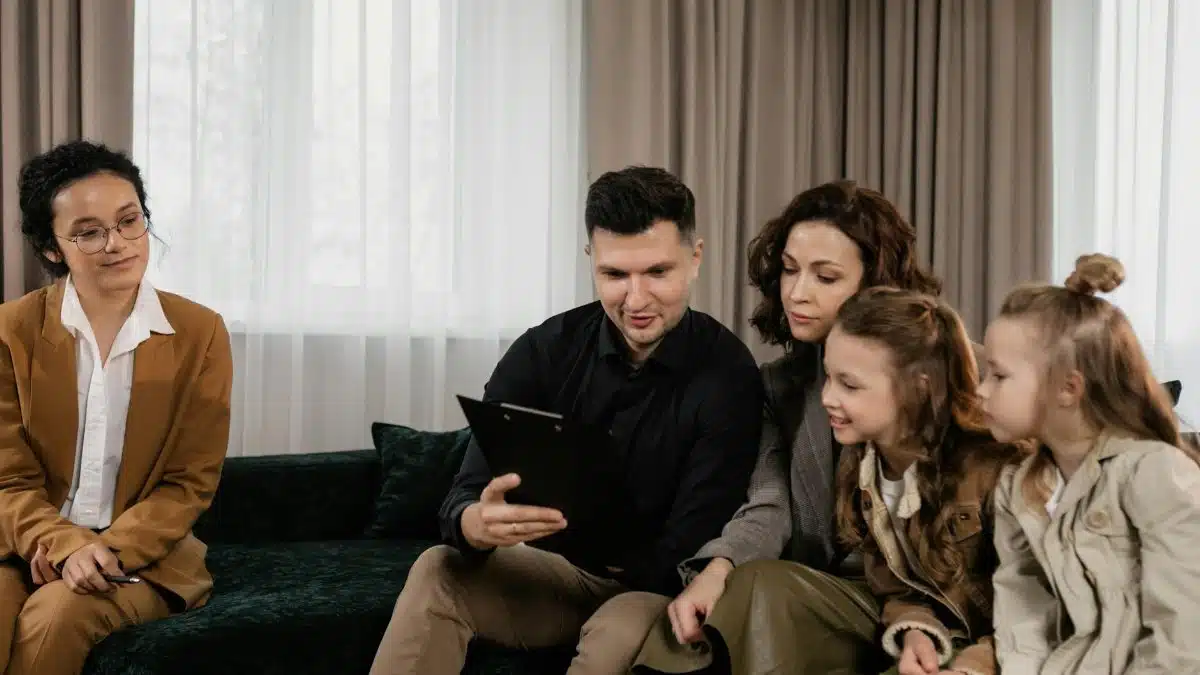
Platonic partnerships upend family norms. Some explore co-parenting with separate romantic partners, or adoption as a duo. Fertility clinics now accommodate “social parents” in nonromantic setups. Demographers predict this could reshape demographics: lower birth rates might stabilize with such flexible models. In Europe, similar trends in Sweden show platonic units correlating with higher community involvement.
Cultural Echoes and Media Spotlight

Pop culture amplifies the idea. Shows like “Platonic” on Apple TV+ and books such as “All the Single Ladies” by Rebecca Traister explore female-led versions. Millennials reference “Friends” but evolve it beyond sitcom fantasy. Media coverage in The Atlantic and Vox frames it as empowerment, not desperation, countering critics who decry it as settling.
The Road Ahead for Platonic Partnerships

As society adapts, platonic partnerships may become as common as dual-income households. Policy tweaks, like tax incentives for nonmarital dependents, could accelerate growth. For now, they offer younger generations a haven: stability without sacrifice. In an age where 50 percent of marriages end in divorce, this path promises endurance rooted in choice, not chemistry. Whether it lasts depends on communication and evolving laws, but the momentum feels undeniable.
By Natasha Weber