
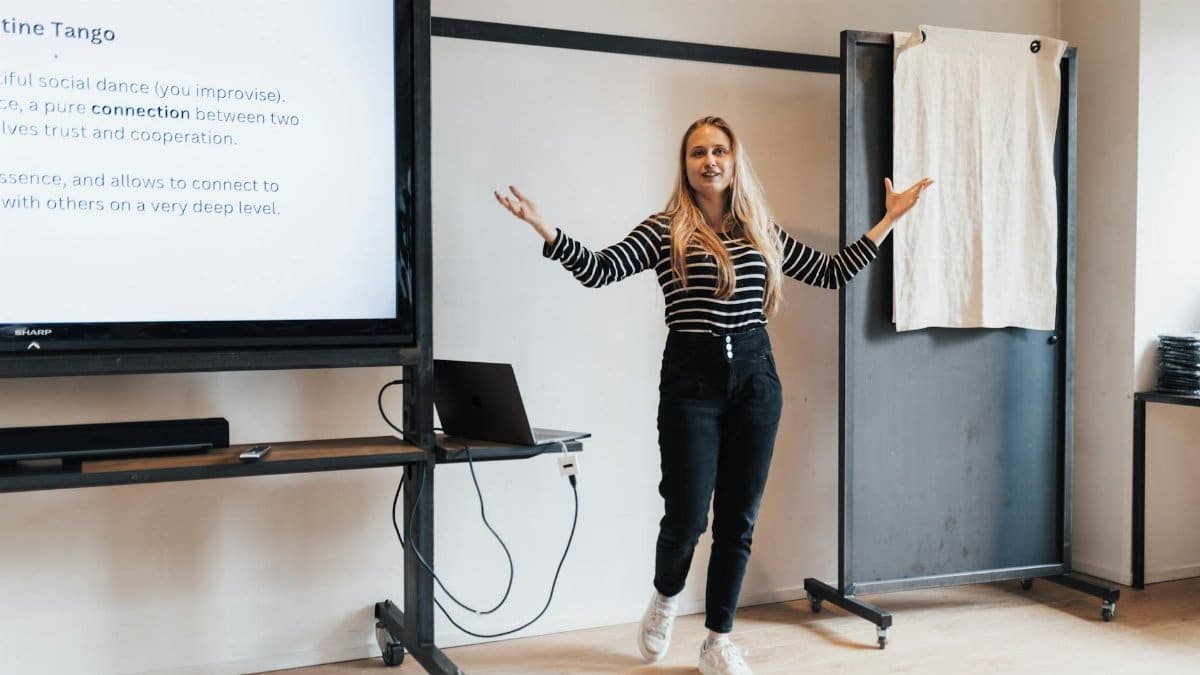
Picture this: You’re about to step onto a stage, palms sweaty, heart pounding like a drum solo. For millions battling public speaking anxiety, relief might come from a sleek ring on your finger. Biofeedback rings are emerging as the latest wearable tech weapon against stage fright, tracking heart rate variability in real time to coach users toward calm. These discreet devices vibrate gently to signal when stress spikes, training the body to self-regulate. As professionals from CEOs to salespeople embrace them, sales are surging—could this tiny gadget rewrite the rules of high-stakes presentations?
What Exactly Are Biofeedback Rings?
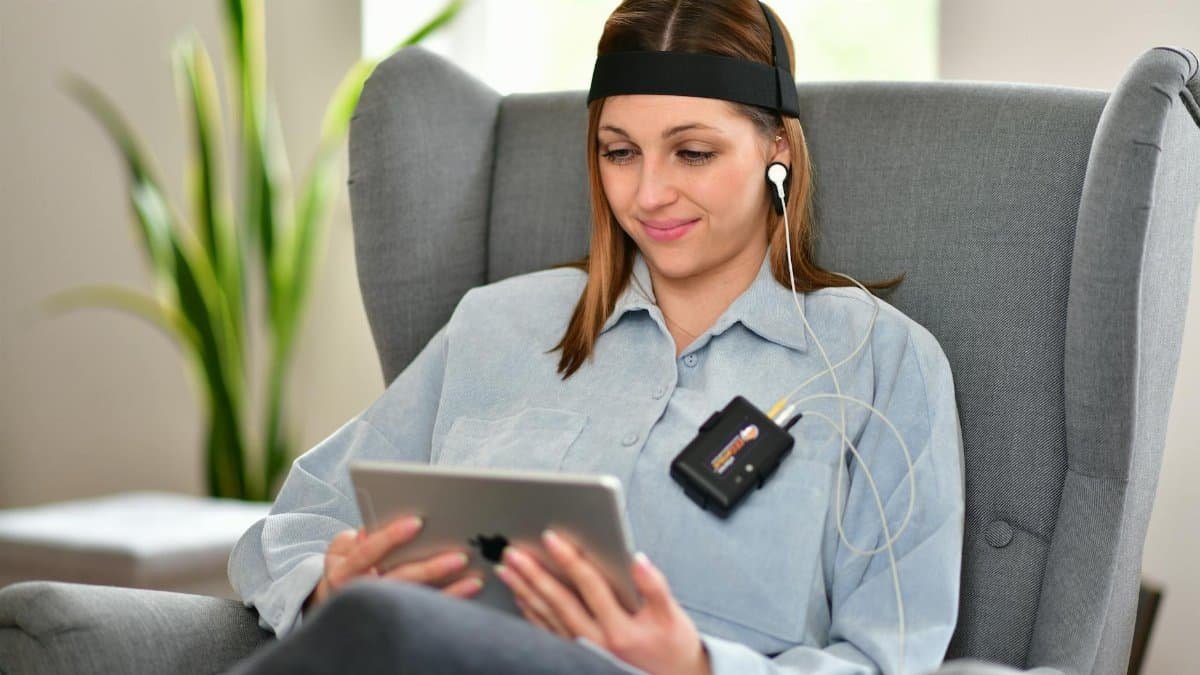
At their core, biofeedback rings are smart wearables disguised as minimalist jewelry. Unlike fitness trackers that merely log data, these rings provide live feedback on your autonomic nervous system. They measure subtle changes in blood flow and electrical signals from your finger to gauge heart rate variability (HRV), a key indicator of stress levels. Pioneered by startups like Oura and Apollo Neuro, but specialized models like the Sensate Ring or Flowtime headband alternatives have zeroed in on anxiety management. Worn 24/7 or just before big talks, they sync to apps delivering personalized breathing cues. No screens, no buzz—just a subtle pulse reminding you to breathe deep.
The Science of Taming a Racing Heart
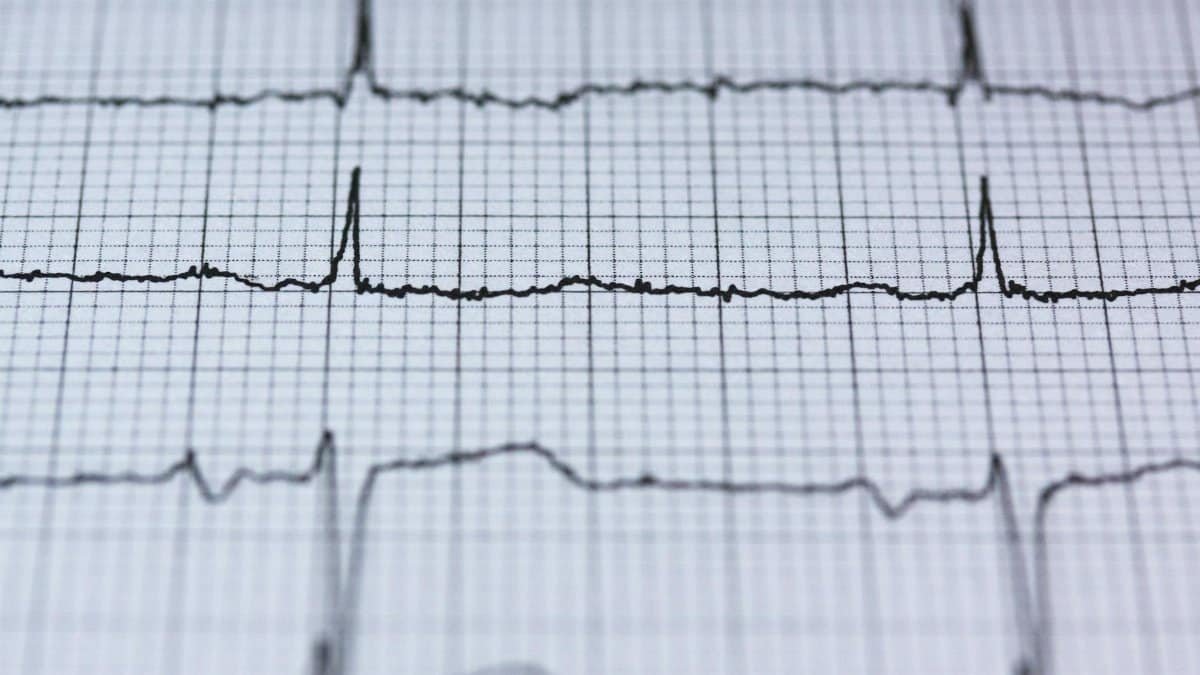
Public speaking triggers the fight-or-flight response, spiking cortisol and hammering HRV. Biofeedback flips the script by leveraging neuroplasticity. Studies from the American Psychological Association show HRV training reduces anxiety by 20-30% over weeks. Rings like the Ultrahuman Ring Air use photoplethysmography (PPG) sensors to detect these shifts instantly. A vibration or app alert prompts paced breathing, activating the vagus nerve to dial down the sympathetic nervous system. Harvard researcher Dr. Richard McCraty calls it “coherence training,” where syncing heart and breath fosters resilience. For speakers, it’s like a personal coach in your pocket—or on your finger.
From Boardrooms to TED Stages: Real Stories

Sarah Kline, a New York marketing exec, credits her Apollo Ring for nailing a pitch to 200 investors. “My heart rate hit 120 bpm mid-sentence; the vibe nudged me back to 75,” she says. Tech journalist Tim Ferriss swore by similar devices during his podcast empire build, raving about pre-talk sessions dropping nerves by half. Even comedians like Ali Wong have whispered about wearables for open mics. A 2023 survey by Calm app users found 68% of professionals using biofeedback reported less dread before meetings. Wall Street traders, prepping earnings calls, are snapping them up—discreet power in a $300 band.
Top Picks: Which Ring Reigns Supreme?
The market’s hot: Oura Ring Gen3 ($299) excels in sleep tracking but shines for daytime HRV alerts. Apollo Neuro’s Vibration Therapy Ring ($349) pairs vibes with neuroscience-backed frequencies. Cheaper? The Circular Ring ($249) offers solid app integration without subscription traps. Battery life averages 5-7 days, with titanium builds resisting scratches from podium grips. iOS and Android compatible, most boast 95% accuracy per independent tests from DC Rainmaker. Prices range $200-500, but ROI hits when that promotion lands post-flawless keynote.
Training Your Body: A Step-by-Step Guide
Start simple: Wear the ring daily for baseline data. Before speeches, do 5-minute sessions—inhale 4 seconds, hold 4, exhale 6. The device scores your coherence; aim for 70%+. Pair with apps like Elite HRV for progress charts. Pros recommend 10-20 minutes pre-event, building to subconscious control. Tech consultant Mia Reyes, who trains execs, says, “It’s muscle memory for your nervous system.” Track wins: Log speeches with ring data to see patterns, like coffee’s sabotage effect.
Do They Really Work? The Skeptics Weigh In
Not all rosy. Critics like psychologist Dr. Ellen Hendriksen argue placebo plays a role—20% improvement in some trials. Battery drain during long days irks users, and sizing issues plague returns. A Wired review dinged cheaper models for sensor lag. Still, a meta-analysis in Journal of Anxiety Disorders backs efficacy for social phobia. For severe GAD, rings complement therapy, not replace it. Cost barriers hit entry-level speakers, but free trials from brands like Whoop are bridging gaps.
What’s Next for Anxiety Wearables?

Biofeedback rings are just the start. Look for AI integrations predicting nerves hours ahead, per CES 2024 prototypes. Galaxy Ring rumors hint Samsung entry, flooding market. Mental health apps like Headspace eye partnerships. As remote work fades, hybrid events demand on-demand calm—$2 billion wearable anxiety market by 2028, per Grand View Research. From Toastmasters to Fortune 500, these rings signal a shift: Tech isn’t just tracking health; it’s hacking fear.
Natasha Weber covers wellness tech for major outlets. Follow her on X @NatashaWeberNY.