
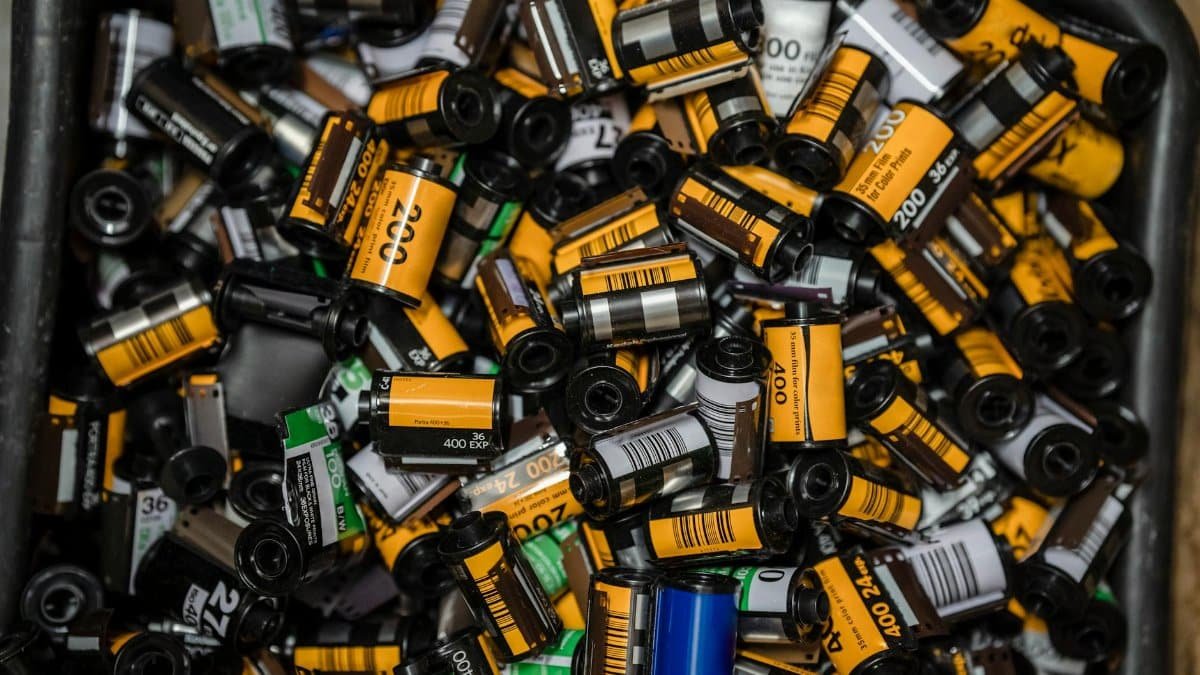
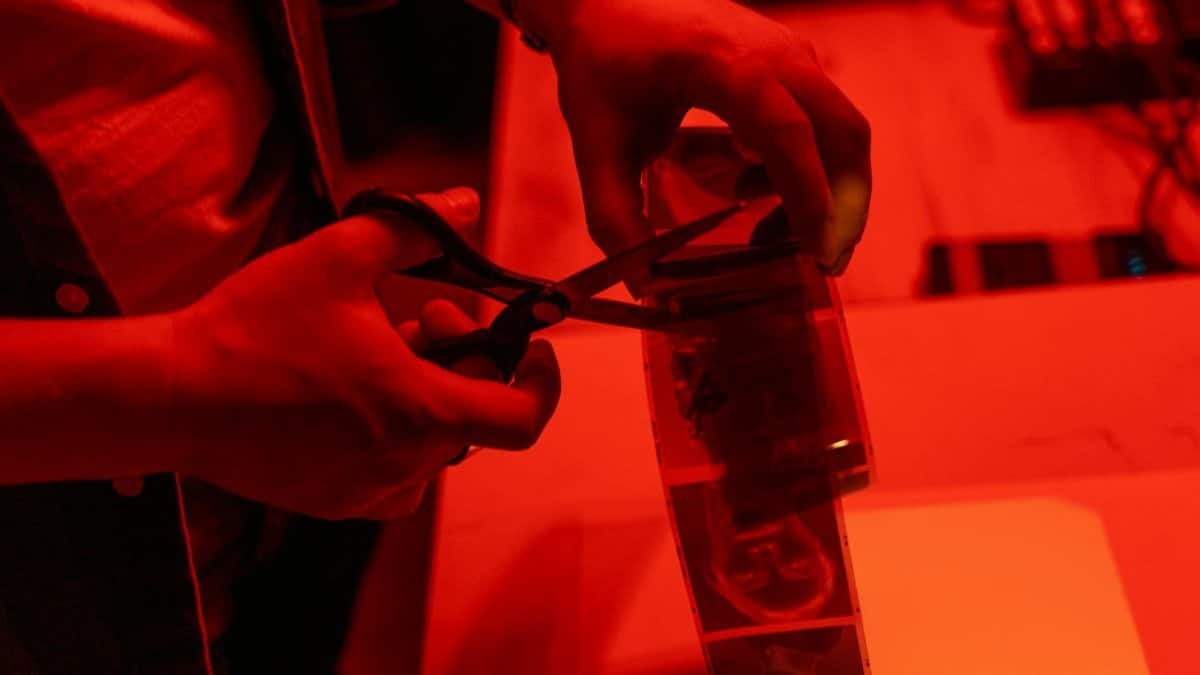
In the dimly lit backroom of a Brooklyn photo lab, 22-year-old Mia Rodriguez waits anxiously as her roll of exposed film emerges from the developer. The images flicker to life under red safelights: grainy street scenes from a rainy New York night, colors bleeding softly at the edges, far from the crisp perfection of her smartphone snaps. This is analog film photography, a craft Gen Z creatives like Mia are embracing with fervor, trading algorithmic precision for the thrill of the unknown. Once relegated to dusty attics, film is staging a comeback, fueled by a generation seeking authenticity amid digital overload. Sales of film cameras have surged, darkrooms are buzzing, and social feeds glow with lo-fi vibes. Why now? What draws these digital natives to a medium born in the analog era?
A Rebellion Against Digital Perfection
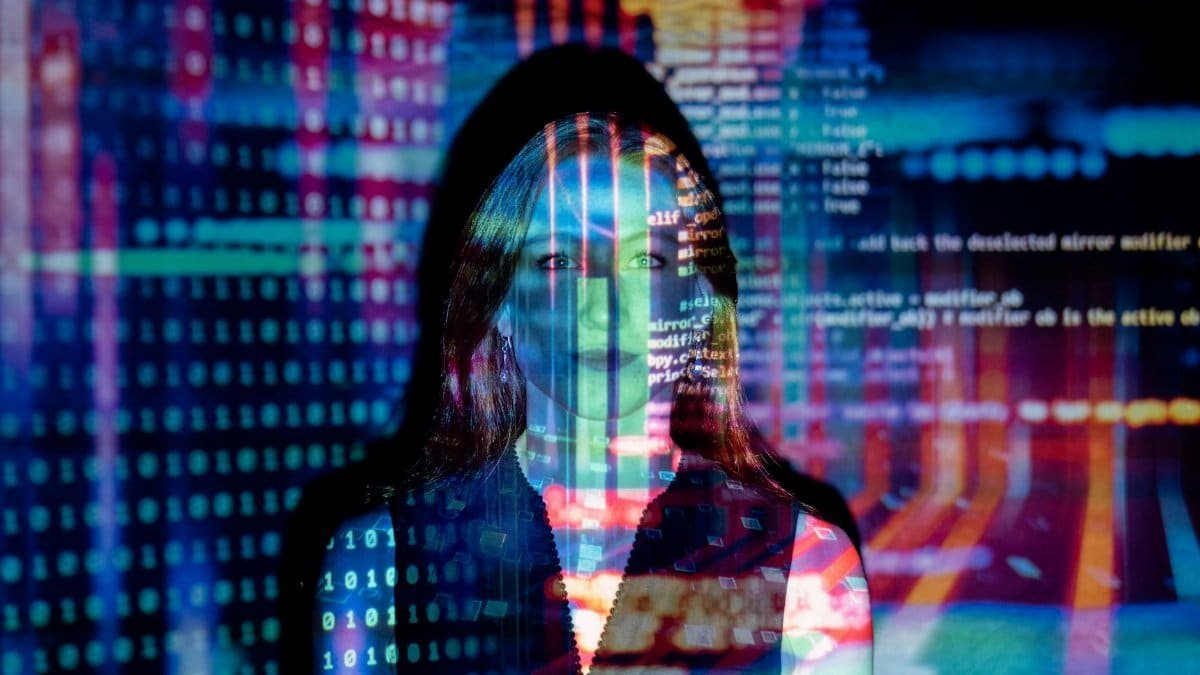
Gen Z grew up scrolling infinite feeds of flawless images, filtered to airbrushed oblivion. Analog film offers rebellion: its imperfections—scratches, light leaks, unpredictable exposures—become badges of realness. Photographers like Rodriguez describe the wait between shooting and developing as meditative, a counterpoint to instant gratification. “You can’t delete a bad frame,” she says. “It forces you to own the moment.” This tactile process resonates in a world where AI edits dominate, pulling young creators toward film’s raw honesty. Workshops in cities like Los Angeles and Chicago fill with 20-somethings eager to master manual cameras, from vintage Leicas to affordable plastic Holgas.
The Social Media Catalyst
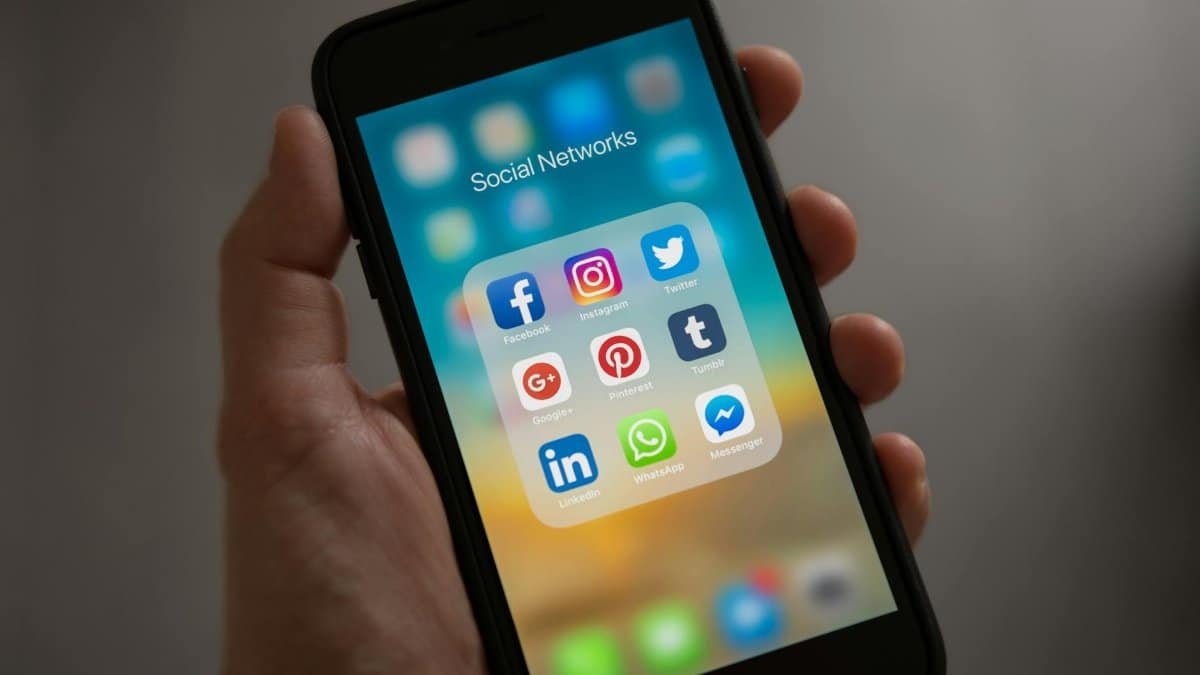
Instagram and TikTok have turbocharged analog film’s revival. Hashtags like #35mm and #filmisnotdead rack up billions of views, showcasing pastel dreamscapes and gritty urban portraits. Influencers post side-by-side comparisons: digital shots look sterile next to film’s organic grain and color shifts. Platforms reward the “film look,” with apps mimicking it, but purists insist on the real thing. E-commerce sites report 300 percent jumps in film stock sales since 2020, driven by viral unboxings and development tutorials. For Gen Z, sharing analog scans isn’t just posting; it’s storytelling with soul.
Communities Forged in Darkrooms
Beyond screens, analog film builds real-world bonds. Pop-up darkrooms and film festivals draw crowds in places like Portland and Austin. Organizations such as Film Photography Project host free events, teaching printing techniques to newcomers. “It’s collaborative,” says event organizer Lena Torres, 25. “We pool rolls, critique together.” Online forums like Reddit’s r/analog evolve into meetups, where enthusiasts trade expired film and repair tips. This sense of tribe appeals to a generation craving connection post-pandemic, turning solitary shooting into shared ritual.
Democratized Access and Affordability
What was once elite is now entry-level. Thrift stores overflow with $20 point-and-shoots; brands like Kodak and Fujifilm reissue popular stocks at reasonable prices. Labs offer mail-in services, slashing development costs. Gen Z exploits this: students at NYU form co-ops to bulk-buy supplies. “I shoot a roll a week for under $15,” notes aspiring photographer Jamal Hayes. Revived manufacturers like Lomo flood markets with fun, cheap options, making experimentation low-risk. This accessibility flips film’s gatekept image, inviting diverse voices from urban grit to suburban whimsy.
Influencers and Celebrives Setting Trends
Celebrity endorsement accelerates the wave. Billie Eilish touts her Contax G2; Timothée Chalamet shares Polaroids. Fashion photographers for Vogue experiment with expired film for ethereal effects. Micro-influencers like @grainyfilms (200K followers) tutorialize setups, inspiring copycats. Their reach amplifies analog film’s cool factor, positioning it as anti-trend in trend-obsessed circles. Brands respond: Levi’s campaigns feature film shots, blending nostalgia with modernity. For Gen Z, this isn’t fleeting hype; it’s a lifestyle pivot.
Mindfulness in Every Frame

Analog film demands presence. Composing without a screen, anticipating light on emulsion—these slow the frenzy of content creation. Psychologists note parallels to mindfulness practices; shooting film quiets the inner critic, fostering creativity. A 2023 survey by Creative Review found 68 percent of young photographers report reduced anxiety with analog workflows. “It’s therapy,” says Torres. In an era of burnout, this deliberate pace reclaims joy from the grind, turning photography into practice rather than production.
Market Momentum: By the Numbers
The resurgence is quantifiable. Kodak’s Ektachrome slide film sold out globally upon 2018 relaunch; 2023 saw 40 percent production increases. Ilford reports doubled black-and-white sales. Camera sales via eBay spiked 25 percent year-over-year, per Photo Industry Association data. Film labs like New York’s Photolounge process 500 rolls weekly, up from 100 pre-pandemic. Investors eye the niche: Japan’s New Analog Camera market grows at 15 percent annually. These figures underscore Gen Z’s role in a $500 million revival.
For more on sales trends, see Kodak’s annual report.
Challenges on the Horizon
Not all smooth: supply chains strain with emulsion shortages; skilled lab techs retire without successors. Prices creep up—$12 rolls now common. Digital purists dismiss film as gimmick, citing environmental costs of chemicals. Yet advocates push recycling programs; some labs go waterless. Gen Z innovates: DIY developers from household items gain traction online. These hurdles test commitment, weeding casuals from devotees.
A Bridge to Future Creativity
Analog film’s Gen Z surge signals broader shifts. It teaches patience, embraces error, values process—skills transferable to digital realms. Hybrid workflows emerge: scan film, edit lightly, print large. Museums like MoMA acquire young analog portfolios, affirming cultural weight. As AI floods imagery, film’s human touch endures. Rodriguez envisions darkrooms in every college dorm. This isn’t retro fad; it’s reclamation of craft in machine age, promising richer visual stories ahead.