
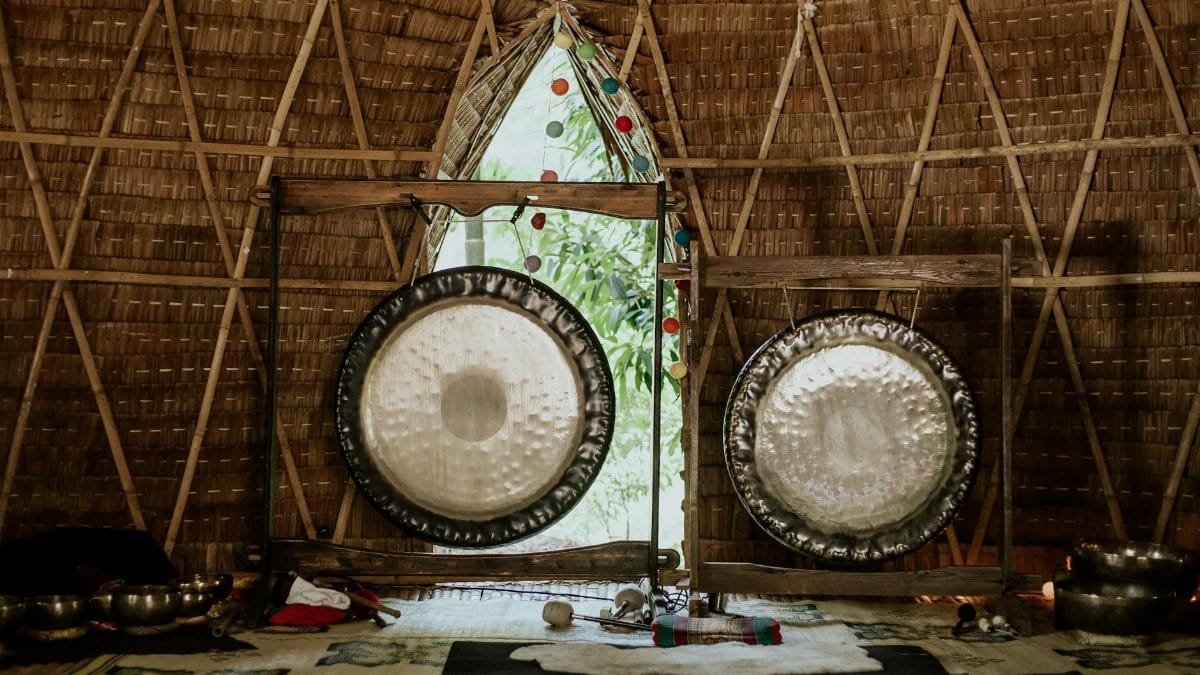
In a surprising twist, a 2024 survey by the American Psychological Association revealed that 45% of U.S. educators are incorporating mindfulness practices into their classrooms to combat student stress. This shift highlights the growing embrace of calm mindfulness wellness, where techniques like sound healing are quietly transforming school environments. From gongs to singing bowls, these methods are helping kids find focus amid chaos. As mental health concerns rise among youth, schools are turning to these ancient practices for modern relief, proving that a little harmony can go a long way in fostering emotional balance.
What Is Sound Healing?
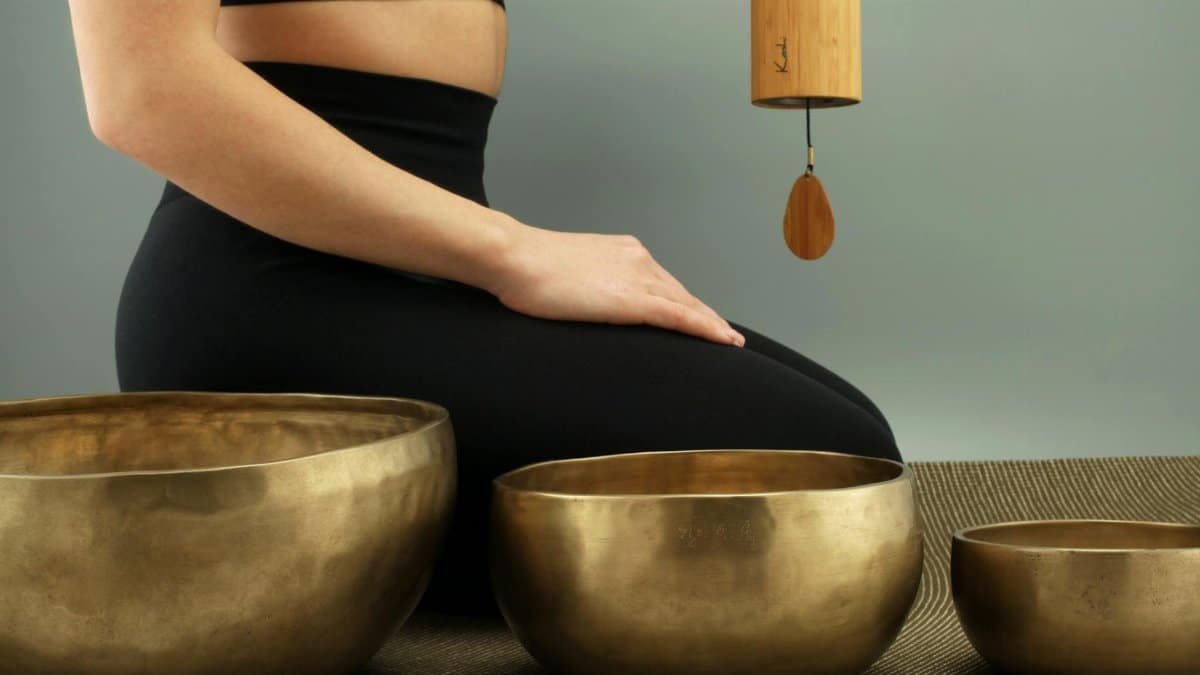
Sound healing uses vibrations from instruments like Tibetan singing bowls, tuning forks, or even the human voice to promote relaxation and well-being. Rooted in ancient traditions, it’s gaining traction in educational settings as a tool for calm mindfulness wellness. Practitioners claim the sounds help reset the nervous system, reducing anxiety and improving concentration. In schools, sessions often last just 10 to 15 minutes, integrated into daily routines to help students unwind. This approach isn’t new, but its application in classrooms marks a fresh adaptation for young minds facing academic pressures.
Why Schools Are Adopting It

With student mental health crises on the rise, educators are desperate for solutions. Post-pandemic data shows increased anxiety and attention issues among kids. Sound healing offers a non-invasive way to address these, promoting calm without medication. Districts in California and New York have piloted programs, reporting fewer behavioral incidents. Teachers note that after sessions, students appear more engaged and less disruptive. It’s a low-cost intervention that fits into tight budgets, making it appealing for underfunded schools seeking effective wellness strategies.
The Science Behind the Sounds
Research backs the benefits. A study from the University of California, San Diego, found that sound therapy can lower cortisol levels, the hormone linked to stress. Participants exposed to healing frequencies showed improved mood and focus. Another report from Harvard Medical School explores how vibrations influence brain waves, shifting them toward relaxed states. These findings support sound healing’s role in calm mindfulness wellness, especially for children. Experts emphasize it’s complementary to traditional therapy, not a replacement, but the evidence is building.
For more details, check the American Psychological Association’s report on youth mental health.
Real Classroom Examples
In Brooklyn’s PS 123, a weekly sound healing circle has become a staple. Teacher Maria Gonzalez shares that her third-graders, once fidgety, now settle quickly after a short gong session. Similarly, a Seattle high school uses app-based sound meditations during lunch breaks, with students reporting better sleep and reduced test anxiety. These anecdotes illustrate how calm mindfulness wellness through sound is making tangible differences. Principals say it’s building resilience, helping kids navigate emotional ups and downs more effectively.
Challenges and Criticisms
Not everyone is sold. Some parents worry about “new age” practices in public schools, questioning their secular nature. Critics argue there’s limited long-term data on efficacy for children. Implementation can be tricky too, with teachers needing training to lead sessions properly. Despite this, proponents point to growing acceptance, comparing it to yoga’s integration decades ago. Schools are addressing concerns by offering opt-outs and focusing on evidence-based approaches to ensure broad appeal.
Training Teachers for Success
To make sound healing work, educators are getting certified. Programs like those from the Sound Healing Academy provide workshops tailored for schools. In 2025, expect more districts to invest in professional development, equipping staff with tools for calm mindfulness wellness. One principal in Texas noted that after a weekend course, her team felt confident facilitating sessions. This training emphasizes safety and inclusivity, ensuring all students benefit regardless of background.
Impact on Student Performance
Early results are promising. A pilot in Chicago schools showed a 20% drop in absenteeism linked to stress after introducing sound healing. Test scores in participating classes edged up slightly, suggesting better focus translates to academics. Mental health experts from the CDC highlight how such practices build emotional intelligence, crucial for long-term success. As 2025 unfolds, more data will likely emerge, solidifying sound healing’s place in education.
Explore the CDC’s resources on youth mental health for related insights.
Parental Involvement and Home Extensions
Schools aren’t going it alone. Many encourage parents to try sound healing at home, sharing apps or simple techniques like humming exercises. This extends calm mindfulness wellness beyond the classroom, strengthening family bonds. Workshops for guardians are popping up, teaching how to create peaceful environments. Feedback from involved parents indicates kids maintain better routines, with less resistance to homework or bedtime.
Future Prospects in Education
As awareness grows, sound healing could become standard in curricula. With federal grants supporting mental health initiatives, more funding is flowing in 2025. Advocates predict integration into teacher training programs nationwide. While challenges remain, the quiet rise suggests a shift toward holistic education, prioritizing well-being alongside academics. For stressed-out students, this could be the harmonious solution they’ve needed.
Beyond Schools: Broader Applications
Sound healing isn’t just for kids. It’s infiltrating workplaces and wellness centers, promoting calm mindfulness wellness for all ages. In corporate America, companies like Google offer sessions to boost productivity. This broader adoption underscores its versatility, from reducing burnout to enhancing creativity. As schools lead the way, expect ripple effects in community health programs, making sound-based practices a mainstream tool for balance.