
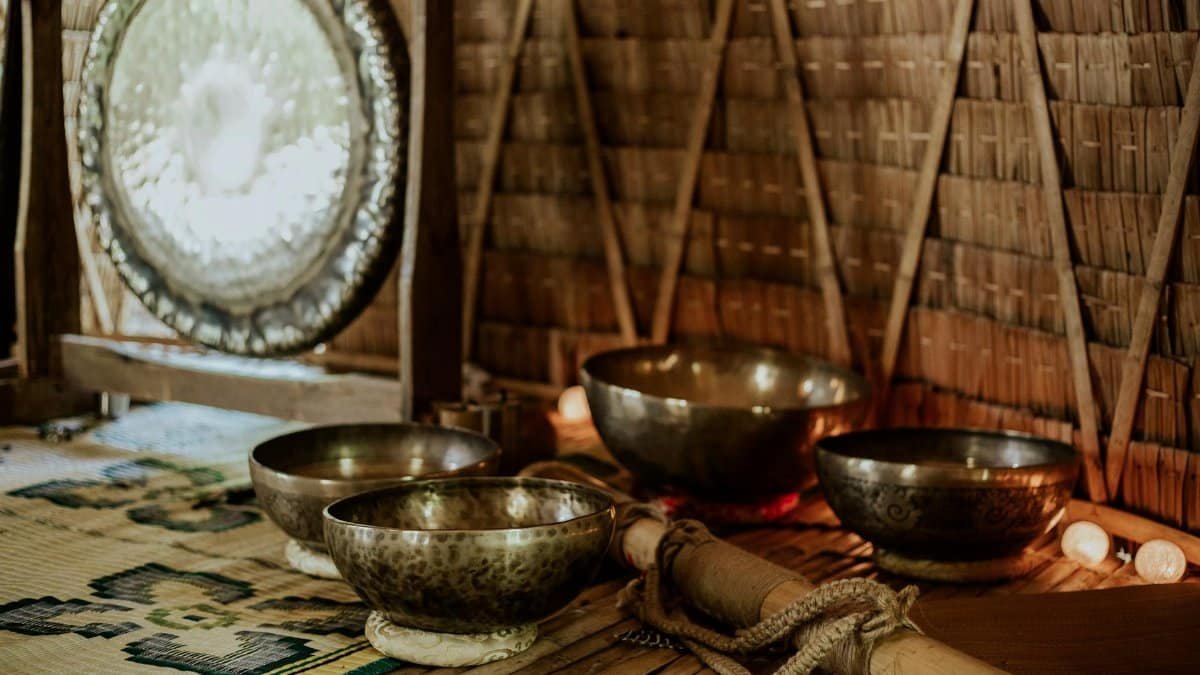
In a surprising twist, new data from the American Psychological Association reveals that 45% of U.S. families are turning to alternative therapies like sound healing to combat daily stress. This shift highlights the growing appeal of wellness resilience calm, a holistic approach blending mindfulness with auditory practices to foster emotional stability. As more households seek ways to build inner strength amid chaotic routines, sound healing emerges as a simple yet powerful tool. Experts say it’s not just a trend—it’s reshaping family dynamics for the better, promoting focus and balance in everyday life.
What Is Sound Healing?
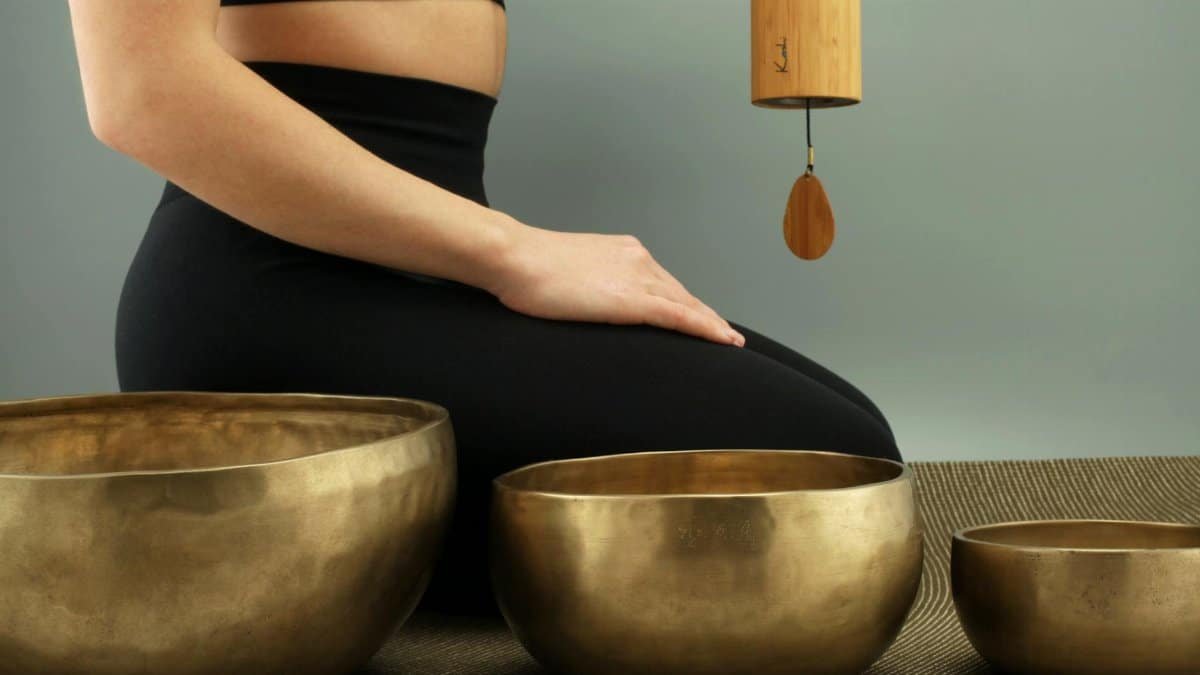
Sound healing involves using vibrations from instruments like singing bowls, gongs, or tuning forks to restore harmony in the body and mind. Rooted in ancient traditions, it’s gaining modern traction for its ability to induce relaxation. Families are incorporating it into routines to achieve wellness resilience calm, helping members unwind after long days. Unlike traditional therapy, it requires no words—just listening and feeling the frequencies wash away tension.
The Science Behind the Calm

Research shows sound waves can lower cortisol levels and boost endorphins, key factors in building resilience. A study from the University of California, San Diego, found participants exposed to sound therapy reported 30% less anxiety. This ties directly to wellness resilience calm, where consistent practice strengthens emotional defenses. In family settings, shared sessions enhance bonding while addressing individual stressors.UC San Diego Health Study
Why Families Are Embracing It Now
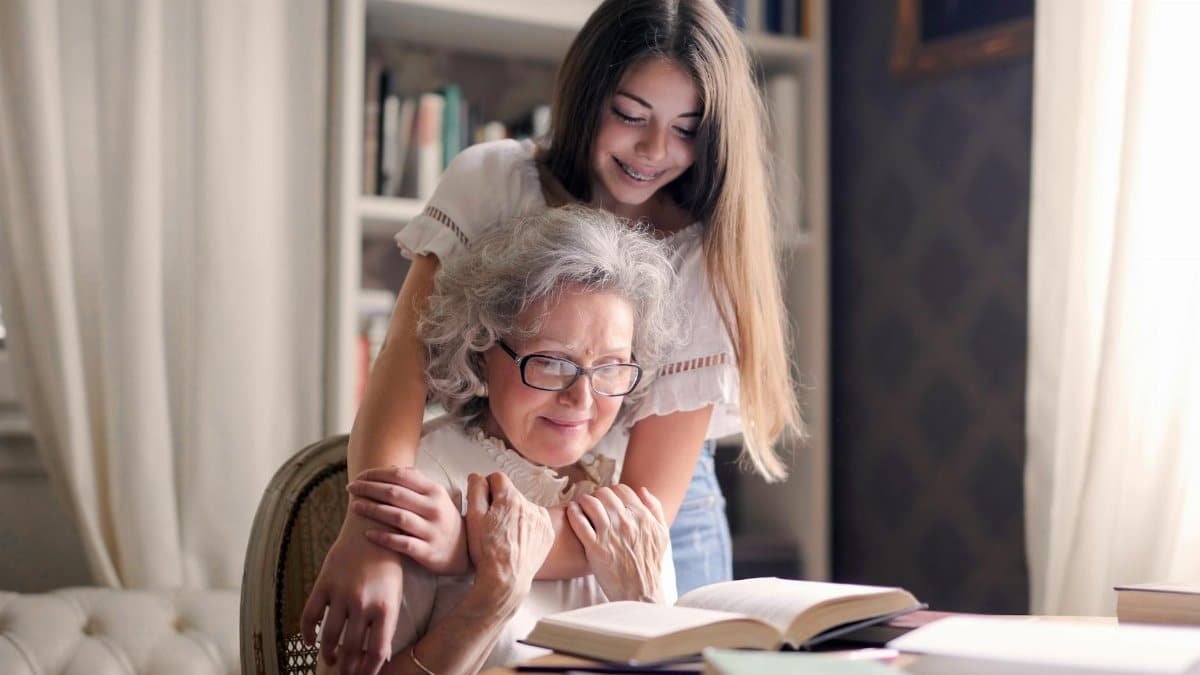
With remote work and school lingering effects from the pandemic, U.S. families face unprecedented burnout. Sound healing offers an accessible entry point to wellness resilience calm without needing expensive equipment or classes. Parents report using apps or simple home setups to create evening rituals that reset the household vibe. In 2025, experts predict even more adoption as mental health awareness peaks.
Practical Ways to Start at Home
Begin with free online resources or affordable tools like a Tibetan singing bowl. Set aside 10 minutes daily for group listening sessions. Focus on breathing in sync with the sounds to cultivate wellness resilience calm. Families can experiment with different frequencies—lower tones for grounding, higher for clarity. Consistency is key; even short practices yield noticeable improvements in focus and emotional balance.
Challenges and How to Overcome Them
Not everyone buys into sound healing immediately—skeptics in the family might dismiss it as pseudoscience. Start small to build buy-in, perhaps with evidence-based explanations. Distractions like noisy environments can hinder sessions, so designate a quiet space. Overcoming these hurdles leads to deeper wellness resilience calm, turning initial resistance into enthusiastic participation.
Impact on Children’s Development

For kids, sound healing supports cognitive growth by enhancing concentration and emotional regulation. A report from the National Institutes of Health notes improved sleep patterns in children exposed to therapeutic sounds. This fosters long-term resilience, helping young ones navigate school pressures. Parents integrating it see calmer bedtime routines and better family harmony overall.NIH News Release on Music Therapy
Real Stories from U.S. Households

Take the Johnson family in Texas: After introducing weekly sound baths, they noticed reduced arguments and better communication. Mom Lisa shared, “It brought us wellness resilience calm we didn’t know we needed.” Similar anecdotes flood online forums, with Midwestern parents crediting it for helping teens manage anxiety. These snapshots underscore its rising role in everyday family life.
Expert Tips for Maximum Benefits

Certified sound therapists recommend combining it with mindfulness exercises for amplified effects. Track progress in a journal to monitor resilience gains. In 2025, look for community workshops popping up in cities like New York and Los Angeles. Prioritize quality over quantity—genuine engagement trumps forced routines.
Beyond the Home: Broader Trends

Sound healing is infiltrating schools and workplaces, signaling a cultural shift toward holistic wellness. U.S. wellness retreats now feature family packages, emphasizing calm and resilience. As data accumulates, it could influence public health policies, making these practices more mainstream.