
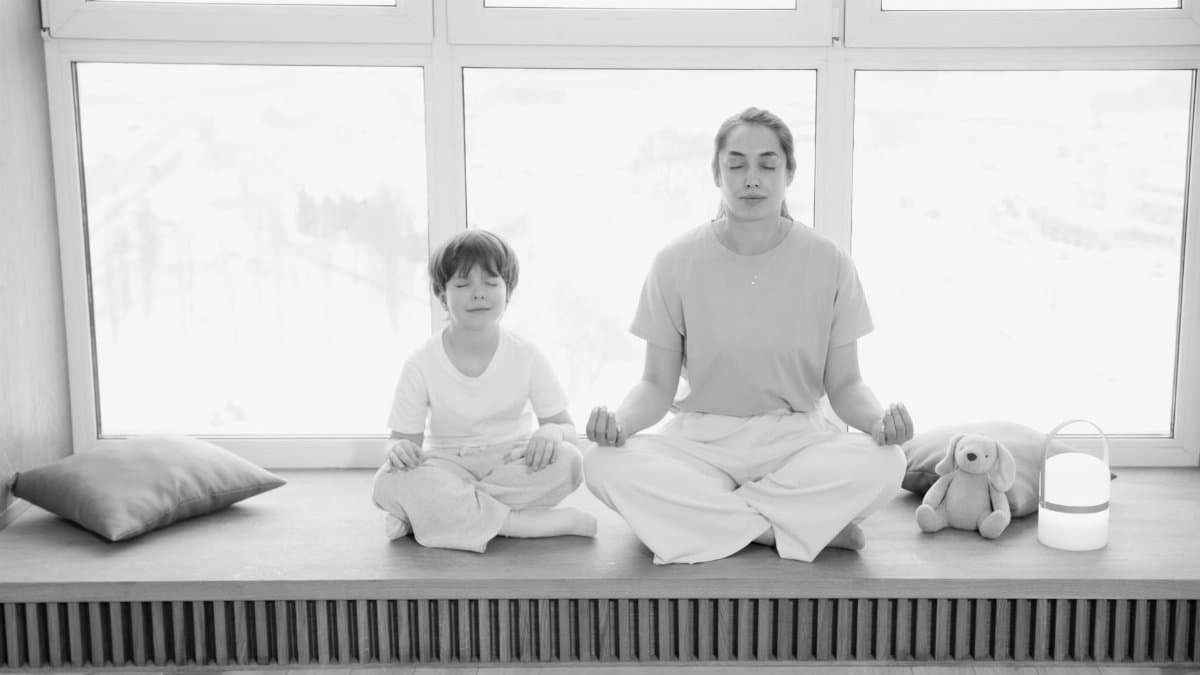
In a surprising twist, a 2024 study from the American Psychological Association reveals that 45% of U.S. families now incorporate some form of meditation into their daily routines, up from just 20% a decade ago. This surge highlights the growing embrace of clarity resilience mindfulness—practices that foster mental sharpness, emotional strength, and present-moment awareness. As families grapple with modern stresses like work-life balance and digital overload, these techniques are proving essential for maintaining harmony at home. Experts say it’s not just a trend; it’s a necessary evolution in family wellness.
Roots of the Family Meditation Boom
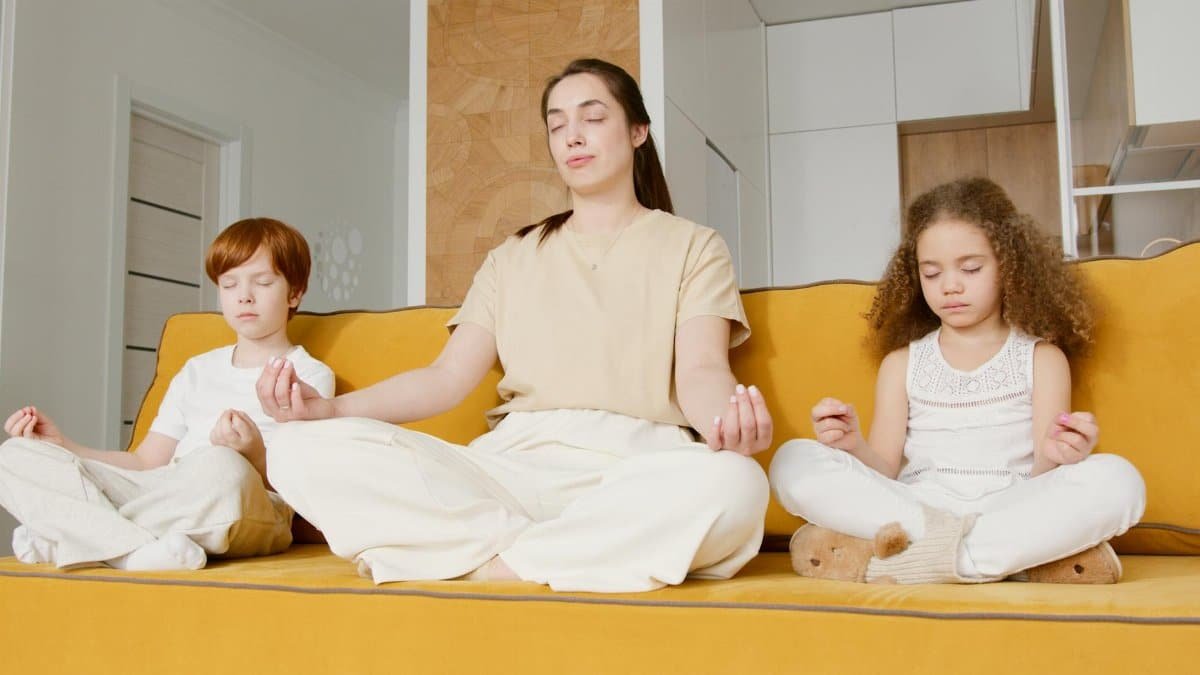
Meditation’s family-friendly makeover started gaining traction during the pandemic, when lockdowns forced parents and kids to seek calm amid chaos. Schools began integrating mindfulness programs, and apps like Headspace tailored content for younger users. By 2025, clarity resilience mindfulness has become a household staple, helping families build emotional buffers against daily pressures. Parents report using guided sessions to ease bedtime routines or defuse sibling squabbles, turning potential meltdowns into moments of collective peace.
How Clarity Builds Family Focus
Clarity in mindfulness isn’t about emptying the mind—it’s about sharpening it. Families practicing this report better concentration during homework or family discussions. A report from the American Psychological Association’s Mindfulness Resources notes that regular sessions enhance cognitive function, reducing distractions from screens and schedules. In households across the U.S., parents are teaching kids to pause and refocus, leading to improved academic performance and fewer arguments over trivial matters.
Resilience: The Emotional Armor for Families
Resilience through mindfulness equips families to bounce back from setbacks, like job loss or health scares. Techniques such as deep breathing and positive visualization help children develop coping skills early. According to data from the CDC’s Mental Health Resources, families engaging in these practices show lower rates of anxiety and depression. In 2025, with economic uncertainties lingering, this emotional toolkit is proving invaluable for maintaining family stability.
Mindfulness in Everyday Family Life
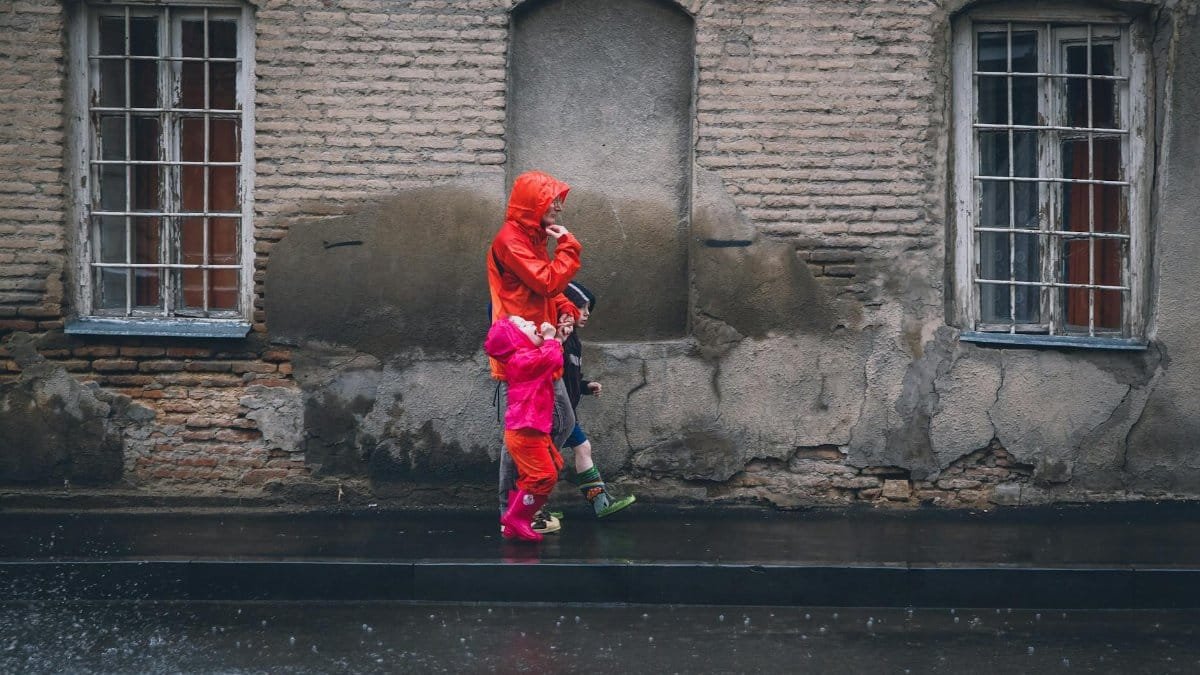
Integrating mindfulness doesn’t require hours of silence. Simple acts like mindful eating during dinner or gratitude sharing before bed weave clarity resilience mindfulness into routines. Families in bustling cities like New York are swapping chaotic mornings for quick group meditations, fostering a sense of unity. This approach makes the practice accessible, turning abstract concepts into tangible habits that strengthen bonds and reduce stress.
Challenges Families Face Adopting These Practices

Not every family jumps on board easily. Kids might resist sitting still, and busy parents struggle to find time. Skepticism from older generations can also hinder adoption. Yet, overcoming these hurdles often leads to breakthroughs, with persistence paying off in calmer homes. Experts recommend starting small, perhaps with five-minute sessions, to build momentum without overwhelming participants.
Impact on Children’s Development

Children exposed to clarity resilience mindfulness early show remarkable growth in empathy and self-regulation. Studies indicate reduced behavioral issues in schools where programs are implemented. For instance, elementary students practicing daily mindfulness exhibit better emotional intelligence, aiding social interactions. This foundation prepares them for life’s ups and downs, from playground conflicts to future career stresses.
Parental Benefits and Role Modeling
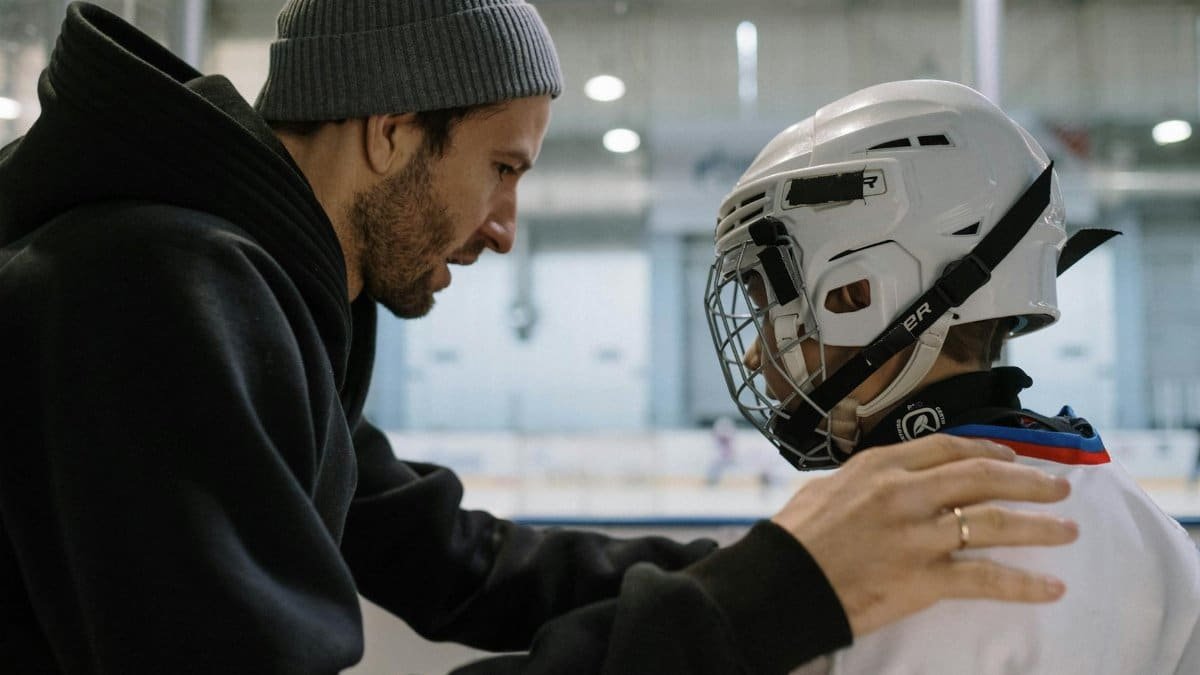
Parents aren’t just facilitators—they’re beneficiaries too. Meditation helps moms and dads manage their own anxieties, setting a positive example. When parents model resilience, kids learn by osmosis. In 2025, with remote work blurring boundaries, these practices restore balance, preventing burnout and enhancing overall family dynamics.
Community and School Integration

Beyond the home, schools and communities are amplifying the trend. Programs in public education systems introduce mindfulness to diverse family groups, bridging cultural gaps. Community centers offer free workshops, making clarity resilience mindfulness inclusive. This widespread adoption signals a cultural shift toward proactive mental health in family settings.
Expert Insights on Long-Term Effects

Psychologists predict that sustained family meditation could lower societal mental health costs. Dr. Elena Rodriguez, a family therapist, states, “It’s about creating resilient generations equipped for tomorrow’s challenges.” With ongoing research supporting these benefits, the quiet rise continues, promising healthier family units nationwide.
Getting Started: Practical Steps for Families

Ready to try? Begin with apps or online resources tailored for families. Set a consistent time, like after dinner, and keep sessions fun. Track progress in a family journal to celebrate wins. As clarity resilience mindfulness takes root, expect subtle shifts toward a more harmonious home life.