

New data shows that 25% of Americans have tried hypnotherapy in the past year, seeking mindfulness wellness calm amid rising stress levels. This surge reflects a broader shift toward alternative therapies in communities nationwide. From bustling cities to quiet suburbs, people are turning to hypnosis not just for quitting smoking or weight loss, but for deeper mental clarity and emotional balance. Experts say it’s no fad; it’s a response to modern life’s chaos, offering a path to inner peace without medication.
What Is Hypnotherapy Anyway?

Hypnotherapy involves guided relaxation and focused attention to achieve a trance-like state. Therapists use suggestions to help clients address issues like anxiety or habits. It’s gaining traction as a tool for mindfulness, promoting wellness and calm by tapping into the subconscious. Unlike myths of mind control, it’s about self-empowerment. Sessions typically last 45 to 60 minutes, and many report feeling more centered afterward.
The Community Boom: Why Now?

In 2025, community centers and online groups are buzzing with hypnotherapy workshops. Economic pressures and post-pandemic anxiety have fueled this rise. Local libraries in places like Chicago and Austin host free intro sessions, drawing diverse crowds. Practitioners note a spike in group therapy, where shared experiences build support networks. This grassroots movement is making mental health tools accessible, breaking stigma around alternative wellness practices.
Linking Hypnotherapy to Mindfulness Practices
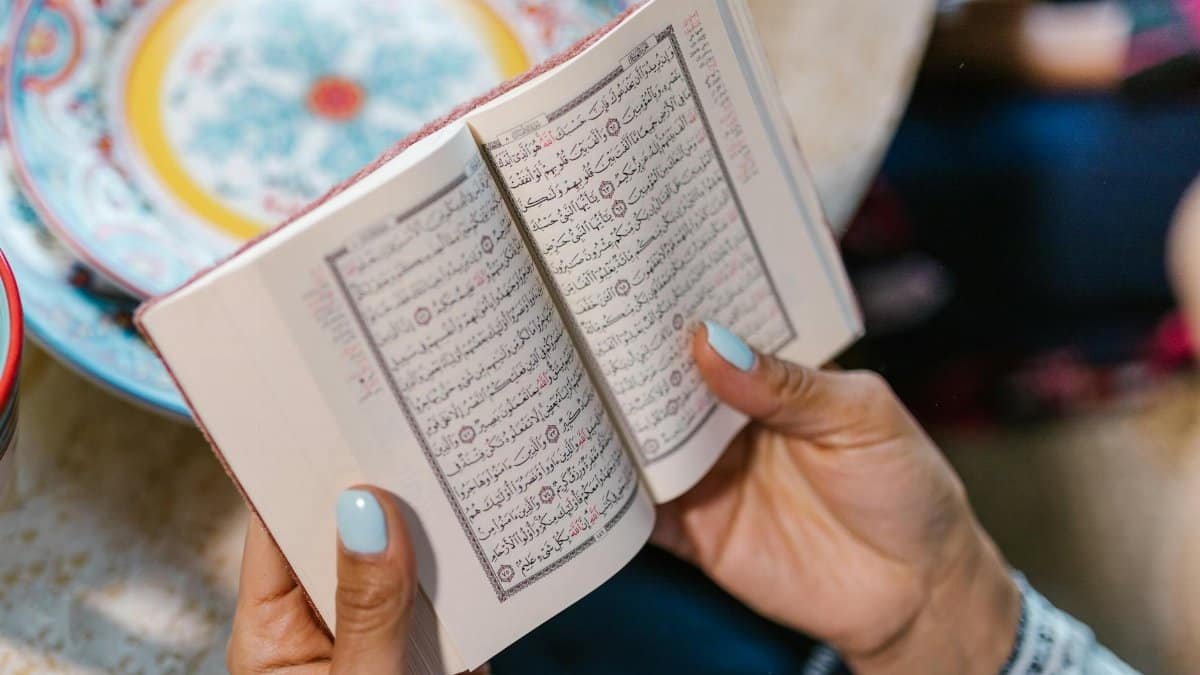
Hypnotherapy aligns closely with mindfulness by encouraging present-moment awareness. Techniques like visualization mirror meditation, fostering calm and reducing overthinking. A study from the University of California highlights how hypnosis enhances mindfulness training, leading to better stress management. Participants showed improved focus after combined sessions. It’s not just relaxation; it’s rewiring thought patterns for lasting wellness.
Real Stories from Everyday Users

Take Mark Thompson, a New York accountant overwhelmed by deadlines. After three hypnotherapy sessions, he found the calm to prioritize tasks without panic. “It was like flipping a switch,” he says. Similar tales emerge from community forums, where parents and professionals share how it eases daily pressures. These anecdotes underscore hypnotherapy’s role in building resilience through mindfulness wellness calm.
Scientific Backing: What the Research Says

Evidence is mounting. A review by the American Psychological Association indicates hypnotherapy effectively reduces anxiety in 70% of cases. It’s particularly potent for wellness goals, with brain scans showing decreased activity in stress centers. For those seeking calm, it’s a validated option. Check out the American Psychological Association’s hypnosis overview for more details on its therapeutic benefits.
Challenges and Misconceptions

Not everyone is convinced. Critics argue hypnotherapy lacks rigor compared to traditional therapy. Common myths include fears of vulnerability or ineffectiveness. Accessibility remains an issue in rural areas, where certified practitioners are scarce. Yet, as communities push for inclusive wellness, education is key to overcoming these hurdles. Proper certification ensures safe, effective sessions focused on mindfulness and calm.
Integrating into Daily Routines
Starting small works best. Apps and online sessions make hypnotherapy user-friendly for busy schedules. Combine it with journaling or breathing exercises for enhanced mindfulness wellness calm. Experts recommend weekly practice to build habits. In community settings, group meetups provide accountability, turning solo efforts into shared journeys toward better mental health.
Expert Voices Weigh In
Dr. Elena Ruiz, a hypnotherapist in Los Angeles, sees the trend firsthand. “Communities are embracing this because it empowers individuals,” she explains. Her clinics report a 40% increase in clients seeking calm amid urban stress. Insights from the National Institutes of Health support this, linking hypnosis to improved sleep and focus. Visit the National Center for Complementary and Integrative Health for government-backed info on hypnosis research.
Future Prospects in Wellness

As 2025 unfolds, hypnotherapy could integrate further into mainstream health. Insurance coverage is expanding, making it viable for more people. Communities are innovating with hybrid models, blending in-person and virtual sessions. This quiet rise signals a shift toward holistic approaches, where mindfulness wellness calm becomes a cornerstone of everyday life.
How to Get Involved Locally

Interested? Search for certified hypnotherapists via the American Society of Clinical Hypnosis directory. Local wellness centers often offer introductory classes. Start with self-hypnosis techniques from reputable books or apps. Building community ties amplifies benefits, turning personal calm into collective harmony. It’s a practical step toward embracing this growing trend.