

Picture this: a bustling dinner table where the same homemade lasagna elicits raves from one group and shrugs from another, not because of the chef’s skill but the diners’ mindset. This is the subtle power of perception at play, where psychology food taste better through nothing more than focused attention. Researchers have long known that our brains shape sensory experiences, turning ordinary meals into moments of delight or disappointment. A recent article in The Conversation highlights how simple psychological tweaks—paying closer heed to flavors, textures and aromas—can amplify taste profoundly. In an era of distracted eating amid screens and stress, rediscovering this trick offers a path to savoring life more fully, potentially curbing overindulgence while enriching everyday rituals.
The Role of Attention in Flavor Enhancement
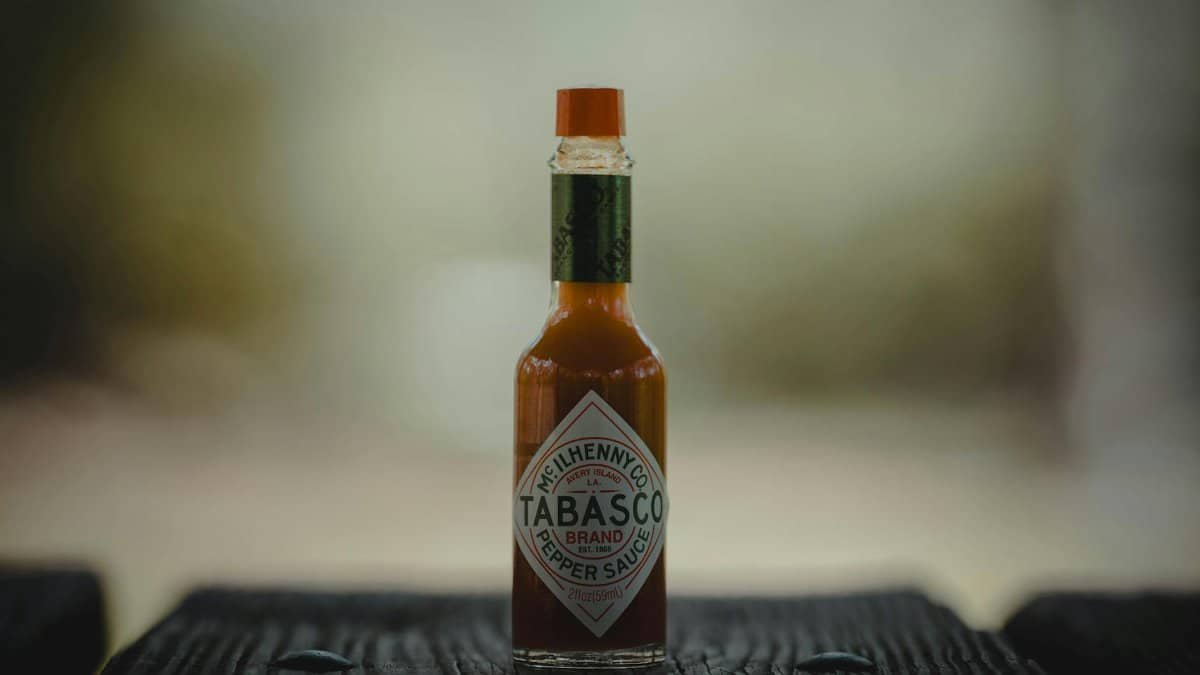
At its core, the psychology food taste better when we engage our senses deliberately. Studies show that mindless munching dilutes enjoyment, as the brain processes flavors on autopilot. Neuroscientists at the University of Sussex found that participants who concentrated on the sensory details of chocolate reported heightened pleasure and ate less overall. This aligns with ancient mindfulness practices now backed by modern science, suggesting that a brief pause before each bite rewires our palate’s response.
Expectations Shape Every Bite

Our preconceptions dictate taste more than we realize. Label a wine as premium, and it suddenly seems richer; call a dish exotic, and its flavors bloom. Psychologists term this the “expectation effect,” where mental priming elevates sensory input. In one experiment detailed by Charles Spence, a leading perceptual psychologist, the same potato chips tasted crispier and more flavorful when described with evocative language. Restaurants exploit this daily, but home cooks can too, by framing meals with positive narratives.
Mindfulness Meets the Modern Plate

Drawing from spiritual traditions like Zen, mindful eating has surged in popularity as a psychology food taste better strategy. Apps and workshops teach slowing down, chewing thoroughly—up to 40 times per bite, as some experts recommend—and describing tastes aloud. A study from Harvard’s T.H. Chan School of Public Health (link) links this practice to reduced calorie intake and greater satisfaction, blending wellness trends with empirical evidence.
Color and Presentation as Psychological Boosters
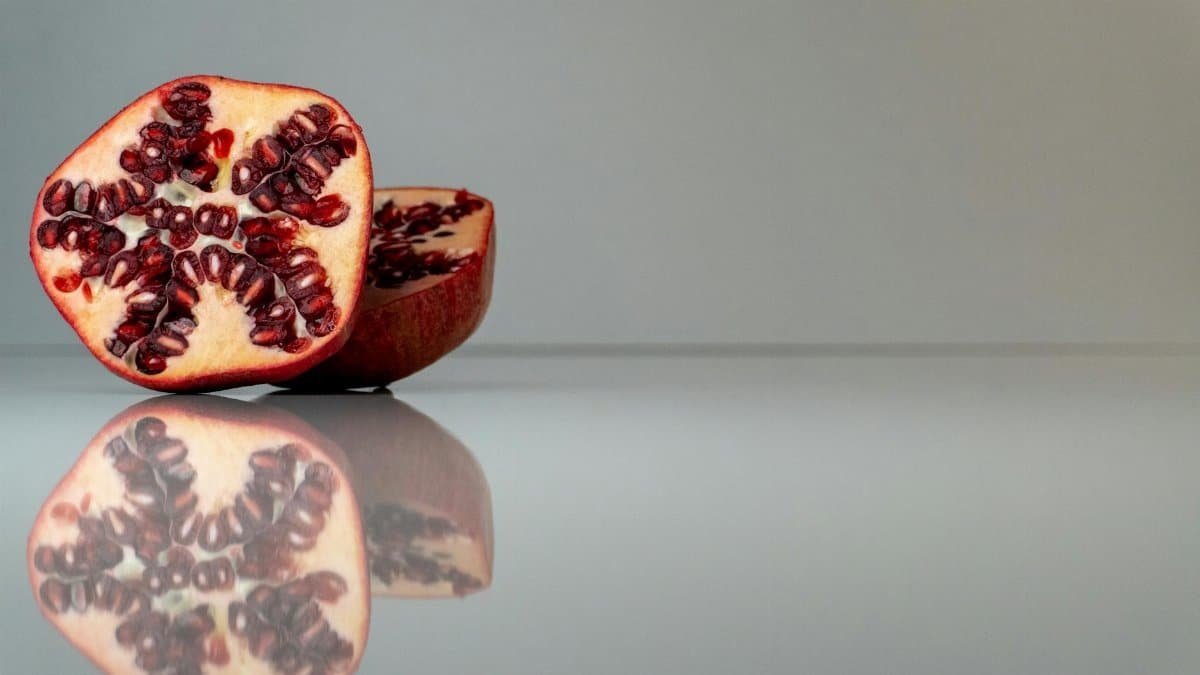
Visual cues profoundly influence taste perception. White plates make food appear more vibrant, enhancing appeal, while red hues signal sweetness. Research from the Journal of Consumer Research (link) demonstrates how plating artistry tricks the brain into anticipating better flavors, making psychology food taste better without altering ingredients. This explains the Instagram era’s obsession with food photography—it’s not vanity; it’s sensory priming.
Soundscapes That Amplify Savor

Ambient noise matters more than diners might think. Soft music with congruent pitches—think mellow tunes for pasta—intensifies flavor profiles, per Spence’s multisensory research. Conversely, loud environments numb taste buds, leading to overeating. Cafes curate playlists for this reason, and at home, curating a serene soundscape can transform supper into symphony, leveraging auditory psychology food taste better dynamics.
The Power of Social Dining Rituals

Sharing meals with loved ones inherently boosts enjoyment through emotional contagion. Laughter and stories heighten endorphins, which sharpen taste sensitivity. Anthropological views frame communal eating as a spiritual bond, where collective attention elevates the ordinary. In trials from Cornell University (link), groups reported 20 percent more flavor intensity than solo eaters, underscoring psychology food taste better in fellowship.
Overcoming Habituation for Renewed Pleasure
Familiarity breeds indifference; our brains adapt to repeated stimuli, dulling flavors. To counter this, vary routines—alternate utensils, eat with eyes closed or incorporate novel pairings. This “sensory reset” draws from habituation studies in cognitive psychology, restoring novelty and making psychology food taste better instantly. It’s a low-effort hack for jaded palates.
Temperature Tricks and Textural Plays
Hot foods release aromas more potently, tricking us into perceiving bolder tastes, while cool items benefit from contrast. Experimenting with temperatures—warm salads or chilled soups—engages textural psychology food taste better. Sensory scientists note that crunch against creaminess creates explosive mouthfeel, as validated in flavor pairing models from the Institute of Food Technologists.
Gratitude’s Unexpected Flavor Lift
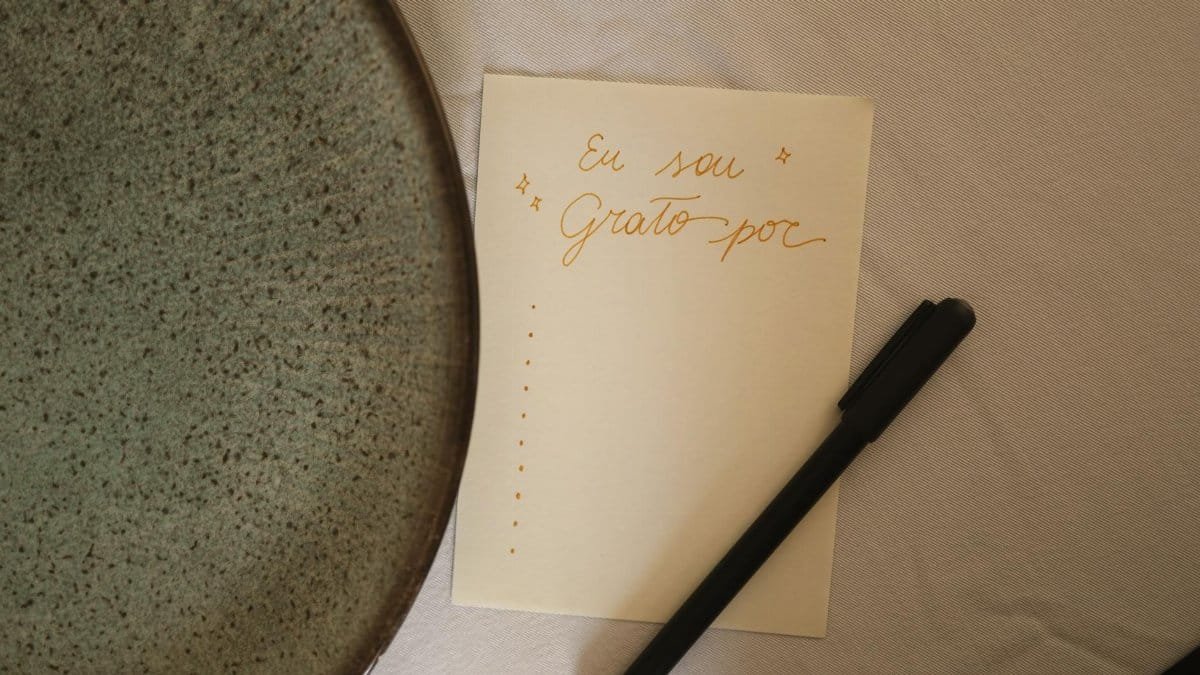
In spiritual news and trends, gratitude practices are gaining traction for their palate perks. Expressing thanks before eating attunes the mind, per positive psychology research from UC Davis (link). Participants in gratitude journaling trials savored meals more intensely, blending emotional uplift with sensory gain—a profound, if subtle, psychology food taste better tool.
Breathwork for Deeper Taste Immersion

A simple inhale between bites oxygenates the palate, clearing residues and heightening next flavors. Yoga-inspired breathwork, now mainstream in wellness circles, enhances this effect. Trials in the Journal of Sensory Studies show nasally focused breathing amplifies volatile compounds, making psychology food taste better through physiological attunement.
Navigating Distractions in a Digital Age

Screens sabotage savoring; notifications fragment focus, muting taste signals. Designating tech-free zones revives full engagement, as evidenced by field studies from the Flavor Institute. This return to presence echoes monastic traditions, positioning no-phone dinners as modern spiritual acts that ensure psychology food taste better.
Long-Term Habits for Lifelong Culinary Joy
Consistency turns tricks into transformations. Weekly sensory challenges—blind tastings or themed nights—build neural pathways for heightened perception. Longitudinal data from mindfulness programs indicate sustained benefits, reducing obesity risks while enriching life’s pleasures. Ultimately, mastering these psychological levers invites a more vibrant relationship with food.
In reclaiming attention amid chaos, we unlock a deeper gastronomic world. Whether through expectation, environment or earnest presence, the psychology food taste better reveals abundance in the everyday. As trends in mindful living evolve, this timeless insight promises not just better meals, but a fuller existence.