

Dangerous food for dogs can lurk in the most unexpected places, and it’s not just chocolate you need to worry about. Many pet owners are unaware that a common pantry staple—grapes—can be deadly for their furry friends. Even a small amount can cause kidney failure in dogs, leading to devastating consequences. The ASPCA reports countless cases of grape toxicity every year, proving this isn’t a rare fluke. If you’re a dog owner, it’s time to rethink what’s safe to share from your plate.
What Makes Grapes So Toxic?
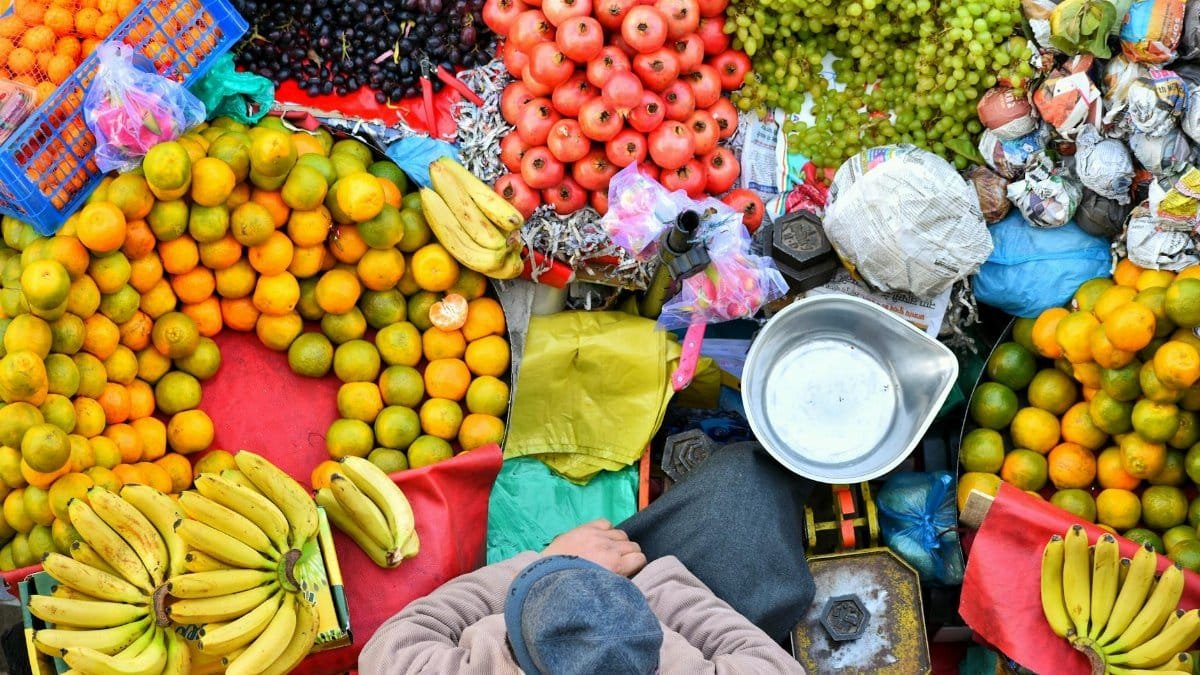
The exact reason grapes are harmful to dogs remains a mystery to veterinarians and scientists. Research suggests it’s not just one compound but a combination of factors that trigger severe reactions. According to the ASPCA Animal Poison Control Center, even a few grapes or raisins can lead to acute kidney failure. Symptoms like vomiting, lethargy, and decreased urination can appear within hours, making quick action critical.
How Much Is Too Much?

Unlike chocolate, where toxicity often depends on the dose and the dog’s size, grapes are unpredictable. A single grape can be fatal for a small dog, while larger dogs might tolerate slightly more—but it’s not worth the risk. Studies cited by the American Kennel Club show that there’s no safe threshold. Pet owners must treat every grape as a potential threat, no exceptions.
Signs of Grape Poisoning to Watch For

If your dog accidentally ingests grapes, time is of the essence. Look for vomiting or diarrhea within the first few hours, often the earliest red flags. As toxicity progresses, dogs may show signs of abdominal pain, loss of appetite, or extreme tiredness. Kidney failure can set in within 24 to 72 hours, leading to reduced urine output or none at all. If you notice any of these, rush to a vet immediately.
What to Do in an Emergency

Suspect your dog ate grapes? Don’t wait for symptoms to worsen. Call your vet or an emergency pet poison hotline right away. Inducing vomiting might be recommended if the ingestion was recent, but only under professional guidance. Vets may also administer fluids or medications to protect the kidneys. Acting fast can mean the difference between life and death for your pet.
Other Dangerous Foods to Avoid

While grapes top the list of unexpected threats, other dangerous foods for dogs hide in plain sight. Onions and garlic can cause anemia by damaging red blood cells. Xylitol, a sweetener found in gum and baked goods, can trigger life-threatening low blood sugar. Even seemingly harmless snacks like macadamia nuts can cause weakness and tremors. Keeping these out of reach is just as crucial as locking away grapes.
How to Keep Your Dog Safe

Prevention is the best defense against dangerous food for dogs. Store grapes, raisins, and other toxic items in secure cabinets or high shelves. Educate family members—especially kids—about what’s off-limits for pets. When hosting gatherings, double-check that guests aren’t slipping your dog scraps. A simple “no human food” rule can save you from a heartbreaking trip to the vet. Stay vigilant, and your pup will thank you.