
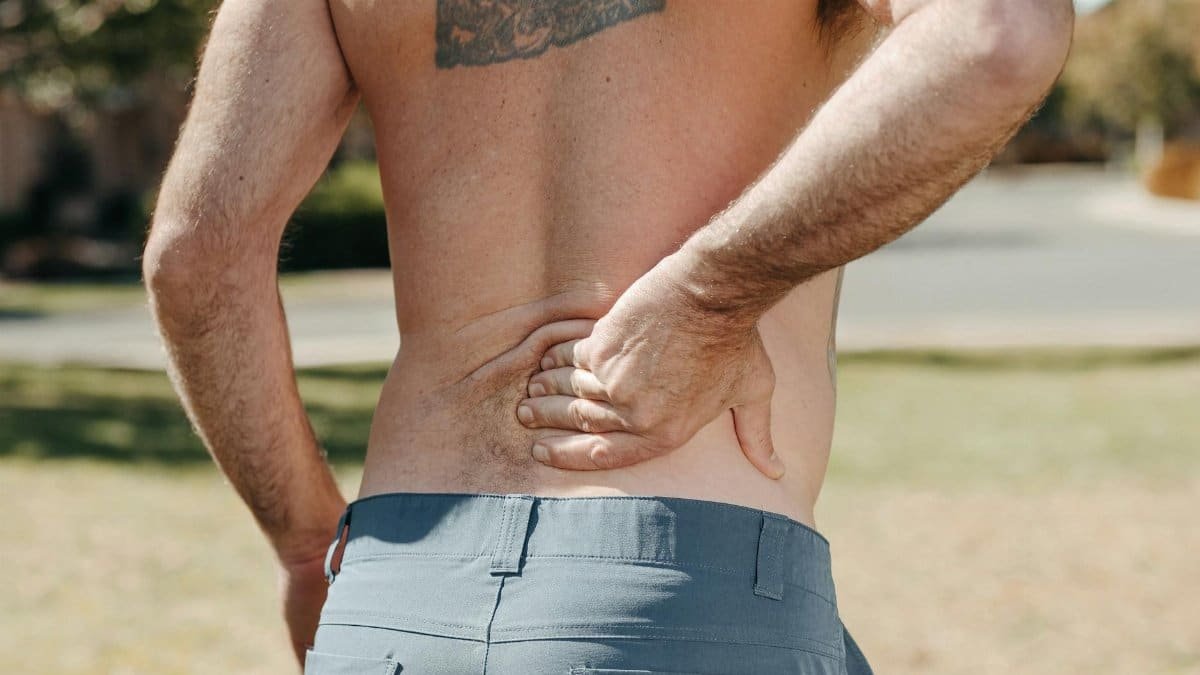
Is the dead hang stretch the instant fix for lower back pain that office workers have waited for? A report dated January 21, 2026, cuts through the noise: simply hanging from a pull-up bar for 60 seconds offers immediate relief from aches caused by endless sitting. This basic move, dubbed the “Dead Hang,” targets the spine directly. No equipment beyond a bar, no complex routines. As remote work and desk jobs persist into 2026, this stretch emerges as a straightforward counter to “tech back” strain, promising decompression without pills or therapy.
What Is the Dead Hang Stretch?

The dead hang stretch requires minimal effort. Grip a pull-up bar with both hands, shoulder-width apart. Let your body hang freely, feet off the ground. Hold for a full 60 seconds. That’s it. No swinging, no pulling up. The body relaxes into a passive stretch. This position elongates the spine naturally. Reports highlight its simplicity as key to daily use. Anyone with access to a bar can start immediately. In 2026, fitness circles buzz about such no-frills methods amid rising back complaints.
The Root Cause: Sitting All Day

Prolonged sitting compresses the spine. Hours at desks shorten hip flexors and tighten lower back muscles. This leads to chronic pain. The 2026 report pins lower back issues squarely on sedentary lifestyles. Modern work—from offices to home setups—exacerbates the problem. Bodies crave counteraction. Without intervention, pain builds. The dead hang addresses this head-on by countering compression. U.S. health trends show desk-bound adults seeking quick fixes as sitting hours climb.
How It Decompresses the Spine

Hanging shifts body weight downward. Gravity pulls the spine apart gently. Vertebrae create space between discs. This reduces pressure on nerves and muscles. The lower back benefits most from daily sitting’s toll. The 60-second hold maximizes this effect without strain. Reports call it an “instant cure” for that reason. Full-body relaxation follows as shoulders and arms extend. Over time, posture improves. For more on spinal mechanics, see NIH Back Pain Overview.
Why 60 Seconds Works Best

The report specifies 60 seconds for optimal results. Shorter hangs lack impact; longer ones risk fatigue. This duration allows deep decompression. Muscles release tension fully. Repeat daily for consistency. Morning or evening sessions fit busy schedules. No warm-up needed. Users report feeling looser right away. In 2026, with hybrid work models, such timed routines gain traction. Precision in hold time ensures the stretch delivers on its promise against sitting-induced pain.
Setup for Home or Gym Use
A sturdy pull-up bar is all you need. Install one in a doorway or use playground equipment. Ensure it supports your weight securely. Step up, grip, and drop. Relax shoulders away from ears. Breathe steadily. Beginners build to 60 seconds gradually. No gym membership required. This accessibility fuels its rise. The report emphasizes everyday feasibility. As U.S. fitness shifts homeward in 2026, dead hangs fit seamlessly into routines.
Instant Relief for Lower Back Pain
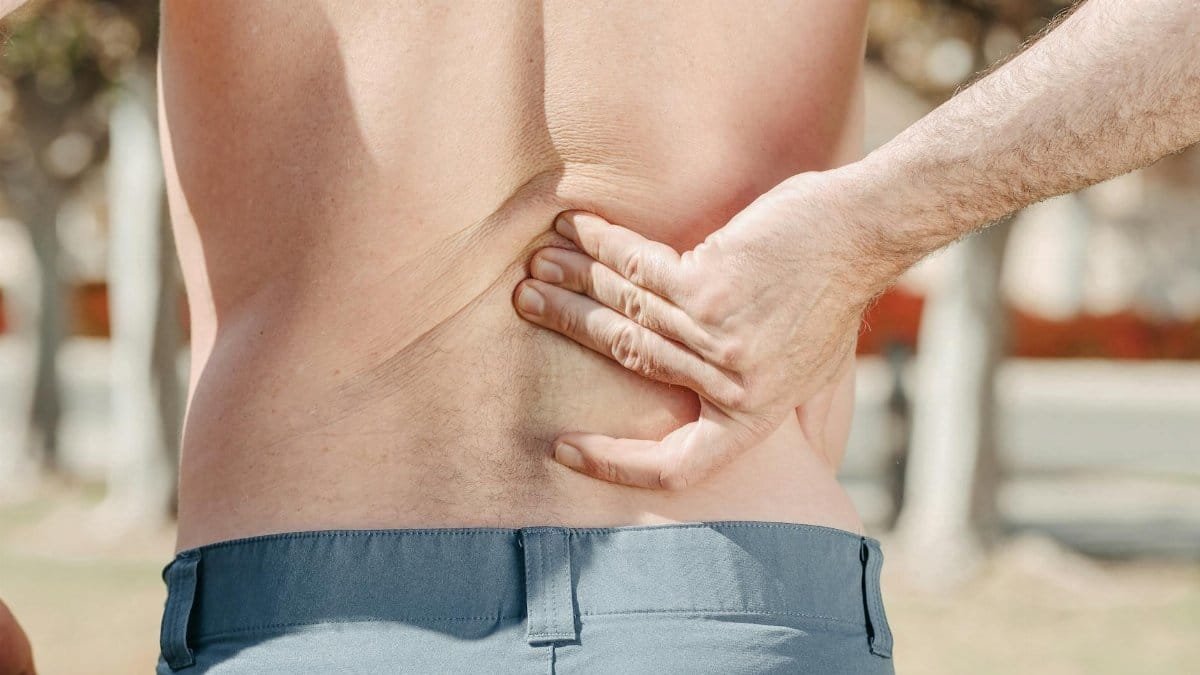
The claim is bold: instant cure. Pain from sitting eases post-hang. Spine realigns, pressure lifts. Many feel taller, more mobile. The dead hang stretch reverses daily damage quickly. No waiting weeks for results. Reports from January 2026 spotlight this speed. Desk workers stand to gain most. Integrate it post-sitting sessions for best effect. Health experts back passive stretches for acute relief, as detailed in AAOS Low Back Pain Guide.
Beating the Sedentary Trap in 2026
Sitting dominates American life. Commutes, screens, and jobs keep spines hunched. Lower back pain follows. The dead hang stretch flips the script. One minute daily combats hours of harm. The 2026 report urges adoption now. Trends show rising interest in bodyweight fixes. No apps, no classes—just hang. This simplicity resonates amid wellness overload. Regular practice prevents flare-ups. Bodies adapt, pain fades.
Who Benefits Most?

Office workers top the list. Remote professionals glued to chairs feel it first. Anyone with “tech back” qualifies. The stretch suits all fitness levels. Build grip strength over time. Reports note broad appeal. In 2026, as health awareness peaks, this targets a key pain point. Expect wider use in corporate wellness programs. The message is clear: hang to heal.
By Natasha Weber