

Picture this: You’re five minutes from a high-stakes meeting, heart pounding like a drum solo, palms slick with sweat. What if a single-minute trick could dial it all back? Enter box breathing, the no-frills technique that’s become a go-to for executives, athletes and even Navy SEALs facing down pressure. Developed by stress expert Mark Divine, it promises instant calm without apps, gadgets or caffeine. In a world of endless Zoom calls and boardroom battles, this four-part breath cycle is the ultimate pre-game ritual.
What Is Box Breathing?

At its core, box breathing—also called square breathing—involves four equal phases: inhale for four counts, hold for four, exhale for four, and hold again for four. Visualize tracing the sides of a square as you go. No special equipment needed; just your lungs and a quiet corner. Popularized in military circles for combat focus, it’s now infiltrating corporate wellness programs from Silicon Valley startups to Wall Street trading floors.
The Navy SEAL Connection
Mark Divine, a former SEAL commander, brought box breathing into the spotlight through his Unbeatable Mind training. SEALs use it to steady nerves before missions where split-second decisions mean life or death. “It’s about reclaiming control in chaos,” Divine told Forbes last year. Today, CEOs like Salesforce’s Marc Benioff swear by similar tactics, crediting them for sharper decision-making under fire.
How It Rewires Your Nervous System

Science backs the hype. Box breathing activates the vagus nerve, flipping the switch from fight-or-flight to rest-and-digest mode. A 2018 study in the Journal of Clinical Medicine found it slashes cortisol levels by up to 25% in minutes, outperforming deep breathing alone. Heart rate variability improves, too, signaling better stress resilience. Neuroimaging shows reduced amygdala activity—the brain’s fear center—making it a neural hack for anyone dreading that pitch.
Step-by-Step: Your One-Minute Guide
Ready to try? Sit tall, eyes closed. Inhale quietly through the nose for four beats. Hold, no strain. Exhale slowly through the mouth. Hold empty. Repeat four to six cycles. That’s 60 seconds max. Pro tip: Use your thumb on one nostril if you’re in a crowded elevator—discreet and effective. Practice twice daily to make it reflexive before nerves hit.
Real-Life Wins from the C-Suite

Wall Street veteran Jamie Dimon has nodded to breathwork in JPMorgan memos, while Arianna Huffington plugged it in Thrive. A 2023 survey by Calm app users—over 10,000 respondents—ranked box breathing tops for pre-meeting jitters, with 78% reporting calmer demeanors. One tech exec shared on LinkedIn: “Turned a panic spiral into a power pose before my TEDx talk.”
Box Breathing Beats Meditation for Quick Fixes
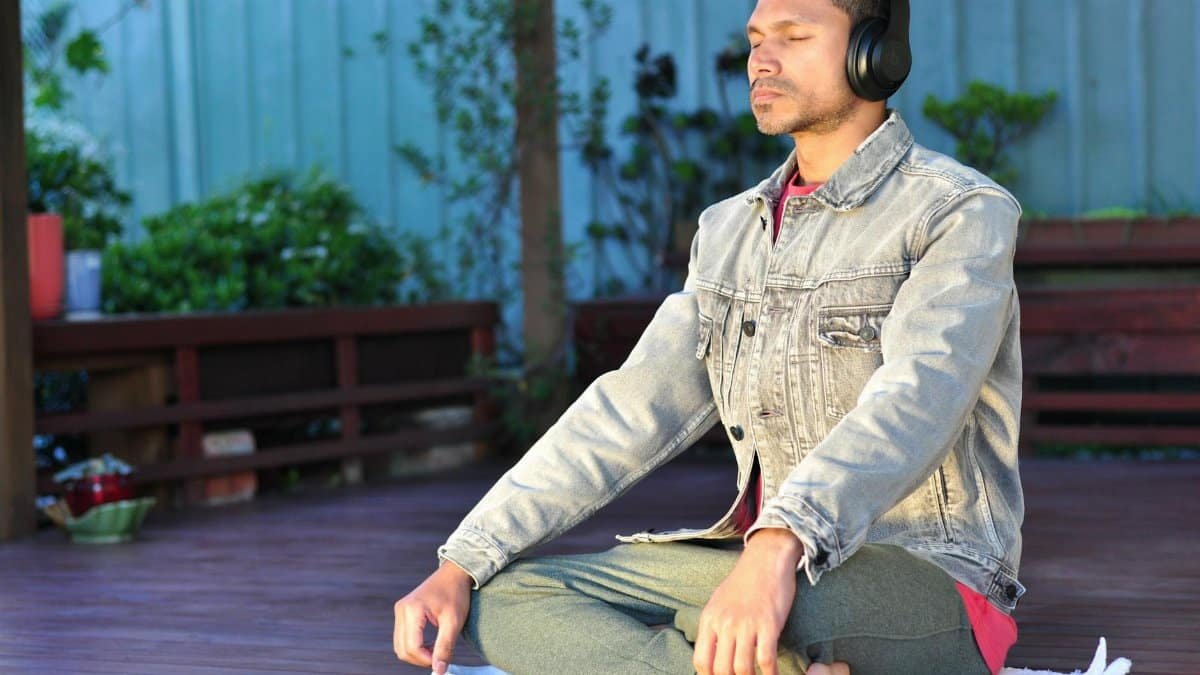
Unlike 10-minute mindfulness apps, box breathing delivers in under a minute—no lotus position required. A Harvard review pitted it against progressive muscle relaxation; box won for speed in lowering blood pressure. It’s portable, free and stacks with coffee for that pre-call edge. Critics say it’s too simple to sustain long-term calm, but for acute stress? Unmatched.
Incorporating It Into Your Office Routine

Pre-meeting: Do it in the bathroom stall. Before emails: At your desk, disguised as a stretch. Pair with a standing desk for bonus circulation. Apps like Breathwrk offer guided versions, but purists stick to analog. HR pros note it’s gaining traction in employee wellness, with firms like Google baking it into leadership retreats.
Beyond Meetings: Everyday Applications

It shines for public speaking, negotiations or even road rage. Parents use it for bedtime battles; athletes, pre-race. A 2022 VA study helped PTSD vets cut anxiety by 40%. Not a cure-all—seek therapy for chronic issues—but as a bridge to composure, it’s gold. Dr. Emma Seppälä, Stanford’s kindness guru, calls it “democracy for calm—anyone can do it.”
Caveats and When to Skip It
Hyperventilation risk exists if you push counts too hard; start slow. Asthma sufferers, consult a doc. Pregnant? Opt for gentler inhales. It’s no substitute for sleep or therapy, but as a toolkit staple, it’s low-risk. Over-reliance? Rare, per experts—one user quipped it’s cheaper than therapy copays.
By Chris F. Weber