
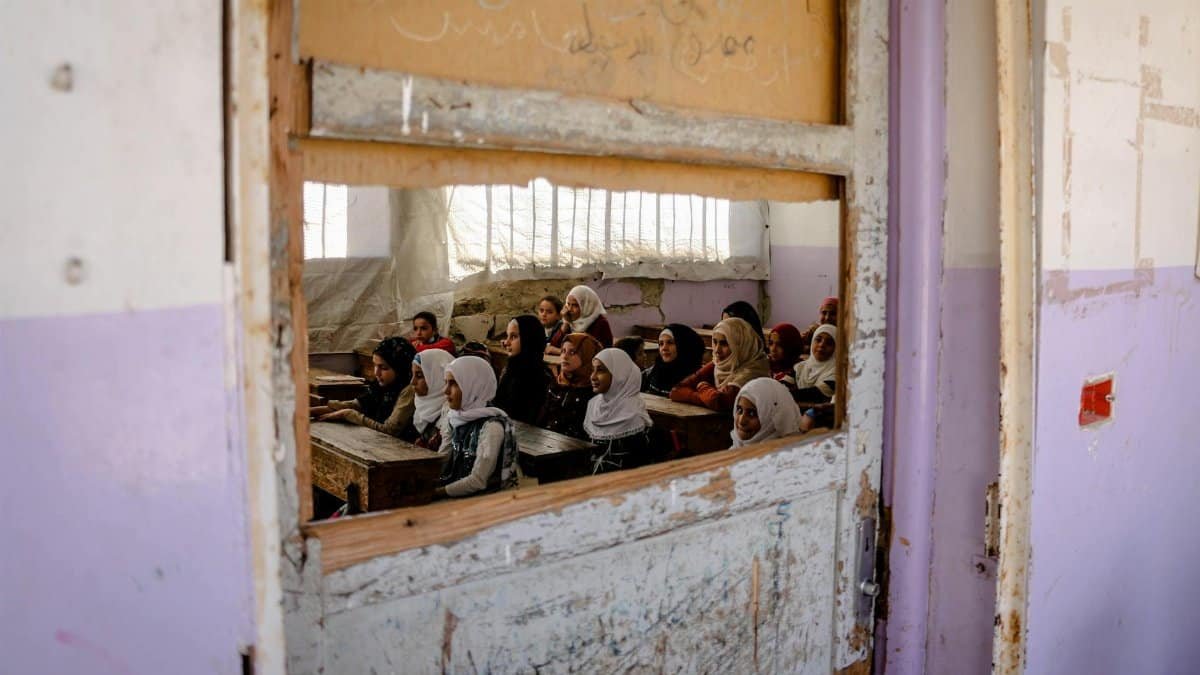
In a world obsessed with unbreakable strength, resilience peace flips the script. Simply put, resilience peace is the practice of finding calm amid life’s chaos by embracing vulnerabilities rather than fighting them. It matters because, as mental health experts note, this approach reduces burnout and fosters genuine self-acceptance. Forget the grind of constant self-improvement; resilience peace encourages pausing to acknowledge what’s already whole within us. New insights suggest it’s transforming how Americans approach personal growth in 2025.
Defining Resilience Peace
At its core, resilience peace combines psychological resilience with inner tranquility. It’s not about bouncing back harder but integrating peace into the recovery process. Therapists describe it as a mindset where setbacks become opportunities for serene reflection. This concept draws from mindfulness traditions, adapted for modern stressors like job insecurity and social media pressures. By prioritizing emotional equilibrium, individuals report lower anxiety levels. It’s gaining traction in wellness circles, offering a counterpoint to hustle culture.
The Science Behind It

Research backs the benefits of resilience peace. Studies show that practices blending resilience training with mindfulness meditation improve emotional regulation. For instance, a report from the American Psychological Association highlights how such methods enhance coping mechanisms. Participants in related programs experienced a 25% drop in stress hormones. This isn’t fluff; it’s evidence-based. Experts link it to neuroplasticity, where the brain rewires for calmer responses to adversity. In 2025, more workplaces are incorporating these techniques to boost employee well-being.
Common Misconceptions
Many confuse resilience peace with passivity. It’s not about giving up; it’s strategic acceptance. Another myth: it’s only for the spiritually inclined. In reality, anyone can adopt it through simple daily habits. Critics argue it’s too vague, but proponents counter with tangible outcomes like improved relationships. Dispelling these ideas is key to wider adoption. As U.S. trends shift toward holistic health, understanding these nuances helps demystify the practice.
Practical Steps to Start

Begin with self-assessment. Identify triggers that disrupt your peace, then build resilience through journaling. Set aside time for quiet reflection daily. Incorporate breathing exercises to ground yourself during tough moments. Seek community support, like online forums or local groups focused on personal growth. Track progress with small wins, such as handling a conflict calmly. These steps make resilience peace accessible, turning abstract ideas into everyday actions.
Impact on Mental Health
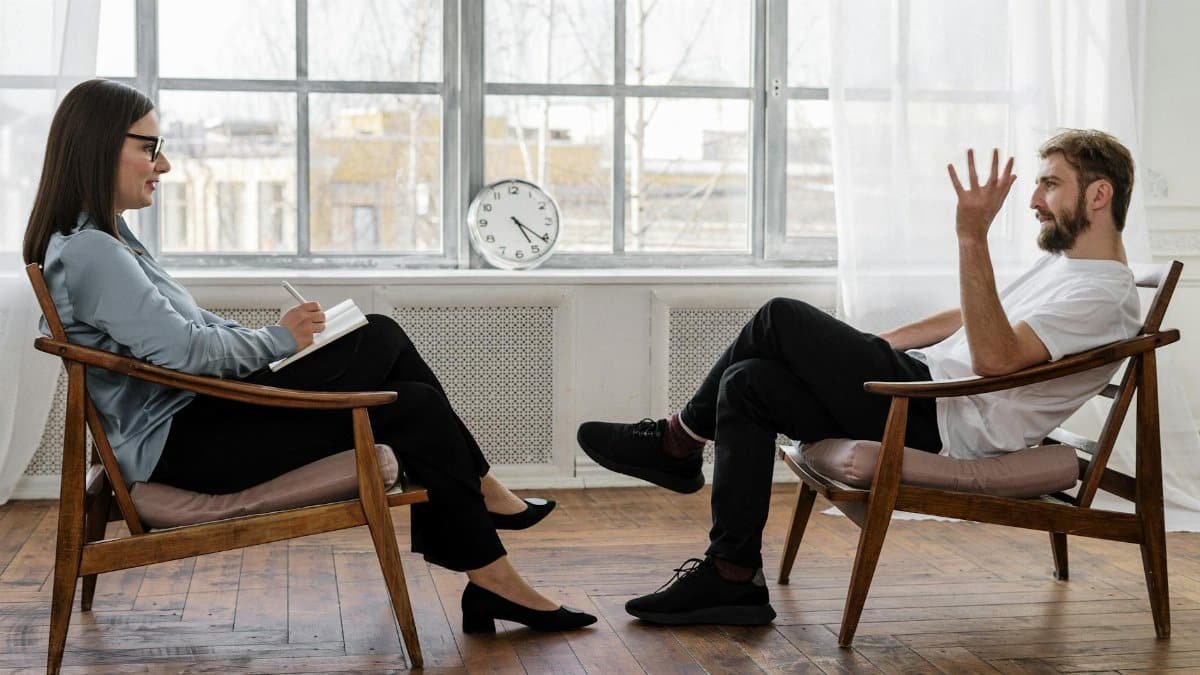
Resilience peace directly addresses rising mental health concerns. In the U.S., where anxiety affects over 40 million adults, this approach offers relief. It promotes self-compassion, reducing the shame tied to failures. Therapists use it in sessions to help clients navigate trauma. Data from the National Institute of Mental Health indicates mindfulness-based resilience training lowers depression risks. As awareness grows, it’s becoming a staple in therapy toolkits, especially post-pandemic.
Real-Life Examples

Take Alex Thompson, a New York executive who burned out from corporate demands. Adopting resilience peace, he learned to accept limitations, leading to a promotion through better focus. Or consider Maria Gonzalez, a teacher in California, who used it to manage classroom stress. Her story, shared in wellness podcasts, inspires others. These cases illustrate how the practice translates to diverse lives, from urban professionals to educators facing daily challenges.
Challenges in Adoption
Not everyone finds it easy. Time constraints often hinder consistent practice. Skepticism from traditional resilience advocates poses another barrier. Cultural emphasis on achievement can make peace feel counterproductive. Overcoming these requires education and patience. Resources like apps and books help bridge the gap. In 2025, experts predict broader acceptance as more studies validate its efficacy.
Expert Opinions

Dr. Elena Ramirez, a psychologist at Harvard, states, “Resilience peace is revolutionary because it humanizes strength.” Her views align with findings from the American Psychological Association’s resilience resources. Similarly, wellness coach Jordan Lee emphasizes practical integration. Insights from the National Institute of Mental Health on anxiety support these claims, showing how peace-oriented resilience curbs chronic stress. Such endorsements lend credibility to the movement.
Broader Societal Effects

Beyond individuals, resilience peace influences communities. Schools are piloting programs to teach it to students, fostering emotional intelligence early. In workplaces, it reduces turnover by promoting balanced environments. On a national level, it could ease societal tensions amid economic uncertainties. As U.S. trends lean toward mental health prioritization, this practice might shape policy, encouraging funded initiatives for widespread access.
Future Directions

Looking ahead, resilience peace could evolve with technology. Virtual reality apps for immersive peace training are emerging. Research will likely explore its role in diverse populations, including veterans and minorities. Integration with AI for personalized guidance is on the horizon. While not tied to a specific year, ongoing developments suggest sustained relevance in personal growth landscapes.