

In a fast-paced world, more Americans are turning to meditation for resilience and focus. New data from a 2023 survey by the National Center for Health Statistics shows that 14% of U.S. adults practice meditation regularly, up from 4% a decade ago. This surge highlights how meditation resilience focus is becoming a key tool for managing stress and boosting mental toughness. As workplaces demand more, people seek ways to stay sharp and steady. Experts say these practices build inner strength, helping individuals bounce back from setbacks while maintaining clear concentration. This trend ties directly into broader mindfulness movements gaining traction across the country.
What Is Meditation Resilience Focus?

Meditation resilience focus combines mindfulness techniques to enhance mental endurance and concentration. At its core, it involves guided breathing and visualization exercises that train the brain to handle adversity. Practitioners report improved ability to stay calm under pressure. Unlike casual relaxation, this approach targets building psychological stamina. Studies from institutions like Harvard Medical School emphasize its role in rewiring neural pathways for better stress response. In 2025, with rising mental health concerns, such practices are more relevant than ever. They offer a practical way to foster long-term emotional stability without relying on medication.
The Science Behind Building Resilience Through Meditation

Research backs the effectiveness of meditation in cultivating resilience. A study published in the journal Psychiatry Research: Neuroimaging found that regular meditators show increased gray matter in brain areas linked to emotional regulation. This means better handling of life’s ups and downs. Focus improves too, as meditation reduces mind wandering. Scientists at the University of California, Davis, have noted enhanced attention spans in participants after just a few weeks of practice. These findings explain why professionals in high-stress fields, from finance to healthcare, are adopting these methods to maintain peak performance.
How Meditation Enhances Daily Focus

Meditation sharpens focus by teaching the mind to dismiss distractions. Simple techniques like mindful breathing can reset attention during busy days. Users often start with five-minute sessions, gradually building up. A report from the American Psychological Association highlights how such practices improve cognitive control, leading to fewer errors in tasks. In everyday life, this translates to better productivity at work or sharper decision-making at home. As remote work blurs boundaries in 2025, meditation provides a quick reset for scattered thoughts, helping individuals stay on track amid constant notifications.
Real-World Applications in Stressful Environments

From boardrooms to battlefields, meditation resilience focus is making inroads. Corporate programs at companies like Google incorporate it to combat burnout. Military personnel use similar techniques to build mental fortitude, as outlined in training manuals from the U.S. Department of Defense. Athletes, too, rely on it for maintaining composure during competitions. One executive shared that daily sessions helped navigate a company crisis without losing cool. These examples show how the practice adapts to various high-pressure scenarios, offering tools that promote calm and clarity when it matters most.
Common Challenges and How to Overcome Them

Starting meditation isn’t always easy. Many struggle with wandering thoughts or finding time. Experts recommend beginning small, perhaps with apps guiding short sessions. Consistency is key; skipping days can hinder progress. Physical discomfort, like sitting still, often deters beginners, but using cushions or walking meditation helps. Research from the National Institutes of Health suggests pairing it with routines like morning coffee to build habits. Overcoming these hurdles leads to noticeable gains in resilience and focus, turning skeptics into advocates over time.
Integrating Meditation into Everyday Routines

Incorporating meditation resilience focus into daily life requires minimal effort. Start by setting aside quiet moments, such as during commutes or lunch breaks. Techniques like body scans promote awareness and reduce tension. Families are even adopting group sessions to foster collective calm. In schools, programs teach kids basic methods to improve attention. With apps and online resources abundant in 2025, access is easier than ever. The goal is seamless integration, making it a natural part of the day rather than a chore.
The Impact on Mental Health and Well-Being
Meditation’s effects on mental health are profound. It lowers anxiety levels and combats depression symptoms, according to data from the Centers for Disease Control and Prevention. Regular practice builds a buffer against emotional turmoil, enhancing overall well-being. Users often report deeper sleep and reduced irritability. In a society facing post-pandemic stress, these benefits are crucial. Therapists increasingly recommend it alongside traditional treatments, viewing it as a complementary tool for long-term mental stability.
Tips for Beginners to Get Started

New to meditation? Begin with guided audio from reliable sources. Focus on breath: inhale deeply, exhale slowly. Aim for consistency over duration. Track progress in a journal to note improvements in focus. Join local groups for motivation. Avoid judging sessions; progress comes with patience. Resources from organizations like the Mindful Awareness Research Center at UCLA provide free starters. These steps make entry accessible, paving the way for sustained resilience building.
Future Trends in Mindfulness Practices
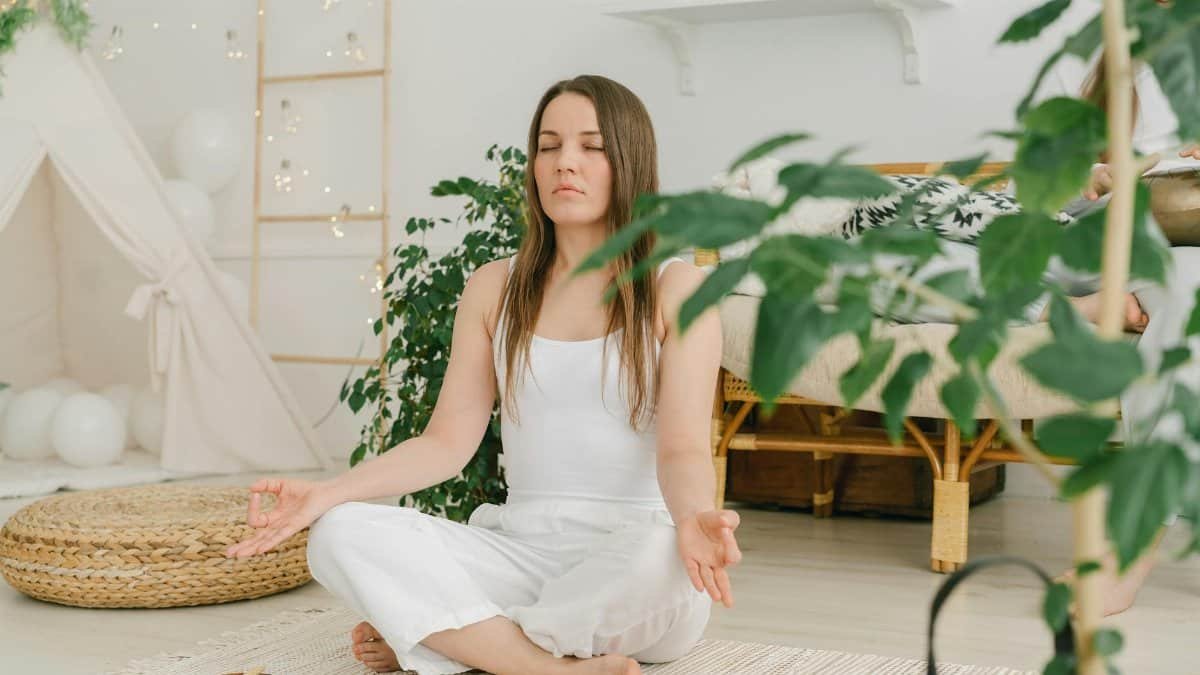
As technology evolves, virtual reality meditation apps are emerging, promising immersive experiences. Wearables track brain waves to optimize sessions. In 2025, expect more workplace integrations, with companies offering on-site classes. Community centers are expanding programs for underserved groups. This growth reflects a cultural shift toward proactive mental health. While traditional methods remain foundational, innovations make meditation resilience focus more engaging and effective for diverse populations.