
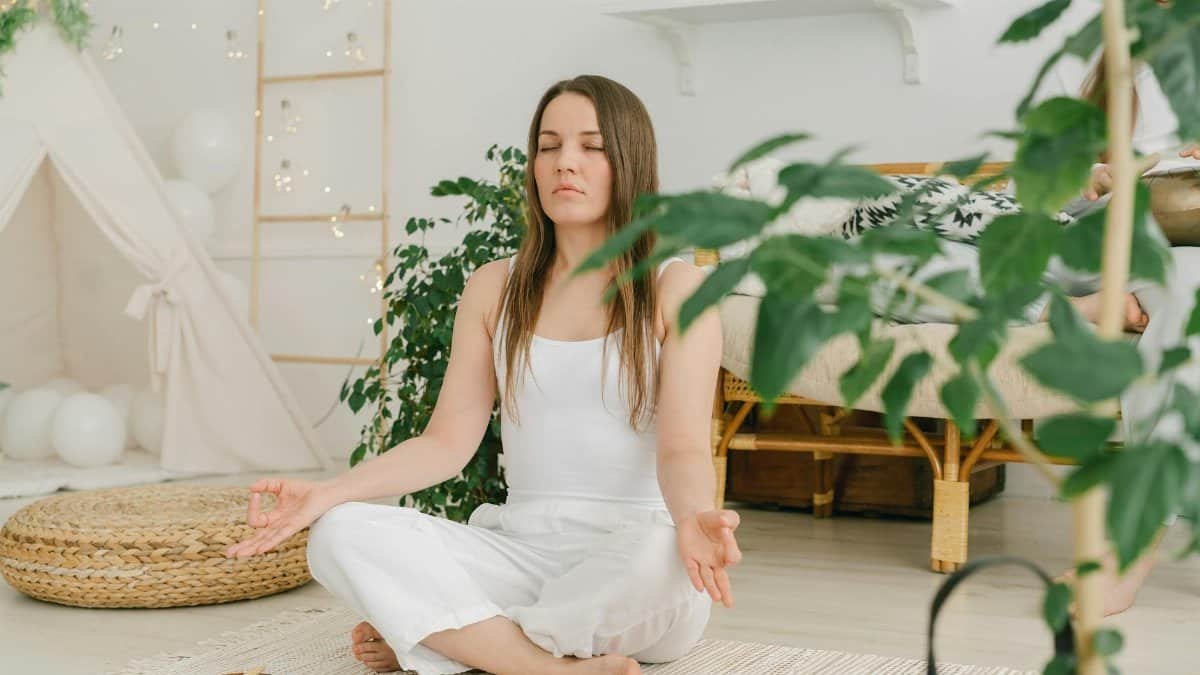
A recent study from the National Institutes of Health shows that over 14% of American adults now practice some form of mindfulness meditation, up from just 4% a decade ago. This surge reflects a growing recognition of its benefits amid rising stress levels in a fast-paced world. But what happens when people actually start incorporating mindfulness into their daily lives? Many report subtle yet profound shifts that ripple through their routines, relationships, and sense of self. These changes often begin quietly, like a clearer mind during a hectic morning or a newfound patience in traffic. As we explore these transformations in 2025, it’s clear mindfulness isn’t just a trend—it’s a tool reshaping how Americans navigate modern challenges.
Calming the Inner Storm: Reduced Stress and Anxiety

Stress has become a constant companion for many, but those who begin mindfulness practice often notice it loosening its grip. Take Sarah, a teacher from Chicago, who described her mornings as a whirlwind of worry before she started meditating for ten minutes each day. “It was like turning down the volume on a blaring radio,” she said. Research backs this up; a study published in JAMA Internal Medicine found that mindfulness-based programs significantly lower anxiety symptoms. Participants reported feeling more grounded, able to observe racing thoughts without getting swept away.
This shift doesn’t happen overnight. It builds through consistent practice, where one learns to breathe through tension rather than fight it. In bustling cities like New York, where burnout rates are high, such techniques offer a practical escape. Yet, it’s not always smooth—some find their minds wandering more at first, highlighting deeper anxieties. Over time, though, the practice fosters resilience. Why does this matter in 2025? With economic uncertainties lingering, these tools help maintain equilibrium. For more on the science, see this JAMA Internal Medicine study.
Imagine a corporate executive pausing mid-meeting to notice his breath, diffusing a heated argument. These moments illustrate how mindfulness rewires responses, turning potential meltdowns into manageable pauses.
Mastering Emotions: Greater Self-Regulation

What if a simple awareness could prevent snapping at a loved one? New practitioners often highlight improved emotional control as an early win. One anonymous account shared online described feeling “like a volcano always about to erupt” before mindfulness, but after weeks of practice, reactions became choices rather than impulses.
This change stems from mindfulness’s core: observing emotions without judgment. A report from the American Psychological Association notes that regular practice enhances emotional intelligence, leading to fewer regrets in daily interactions. It’s particularly relevant for parents juggling work and family, where a mindful pause can transform a chaotic evening.
Of course, it’s not foolproof. Emotions still surge, but the space mindfulness creates allows for reflection. In therapy settings, this complements other approaches, as seen in programs at universities like UCLA. Dive deeper into this via the American Psychological Association’s overview.
Short bursts of anger fade faster; joy lingers longer. This emotional agility fosters a more balanced life, where feelings inform rather than dictate actions.
Sharpening the Mind: Enhanced Focus and Clarity

In an era of endless notifications, regaining focus feels revolutionary. People starting mindfulness often report a sharper attention span, like suddenly tuning into a clearer frequency. A software developer in Seattle shared how his scattered thoughts during coding sessions gave way to sustained concentration after morning mindfulness routines.
Studies support this: Research from Harvard Medical School indicates that mindfulness thickens the prefrontal cortex, the brain’s hub for executive function. This leads to better decision-making and productivity, crucial in remote work environments dominating 2025.
Yet, distractions persist. The practice teaches gentle redirection, not perfection. Over weeks, tasks that once dragged on complete with ease. For those in creative fields, this clarity sparks innovation. Explore the brain science here: Harvard Health Publishing on mindfulness.
Long meetings become bearable; ideas flow freely. It’s a quiet upgrade to cognitive performance, making everyday efficiency feel effortless.
Building Bridges: Improved Relationships

Relationships thrive on presence, and mindfulness delivers just that. Beginners frequently notice deeper connections, as listening becomes active rather than passive. Consider a couple from Atlanta who, after joint mindfulness sessions, found arguments turning into conversations. “We actually heard each other,” one partner reflected.
This stems from empathy cultivation; a study by the National Center for Complementary and Integrative Health shows mindfulness boosts compassion, reducing conflicts. In families strained by digital divides, it encourages putting down phones for genuine engagement.
Challenges arise, like vulnerability in sharing mindful insights. But the payoff? Stronger bonds. In 2025, with social isolation still a concern post-pandemic, these practices heal relational rifts. Learn more from this NCCIH resource on mindfulness.
Laughter shared. Disagreements diffused. Mindfulness weaves patience into interactions, fostering harmony where tension once reigned.
Healing the Body: Physical Health Benefits
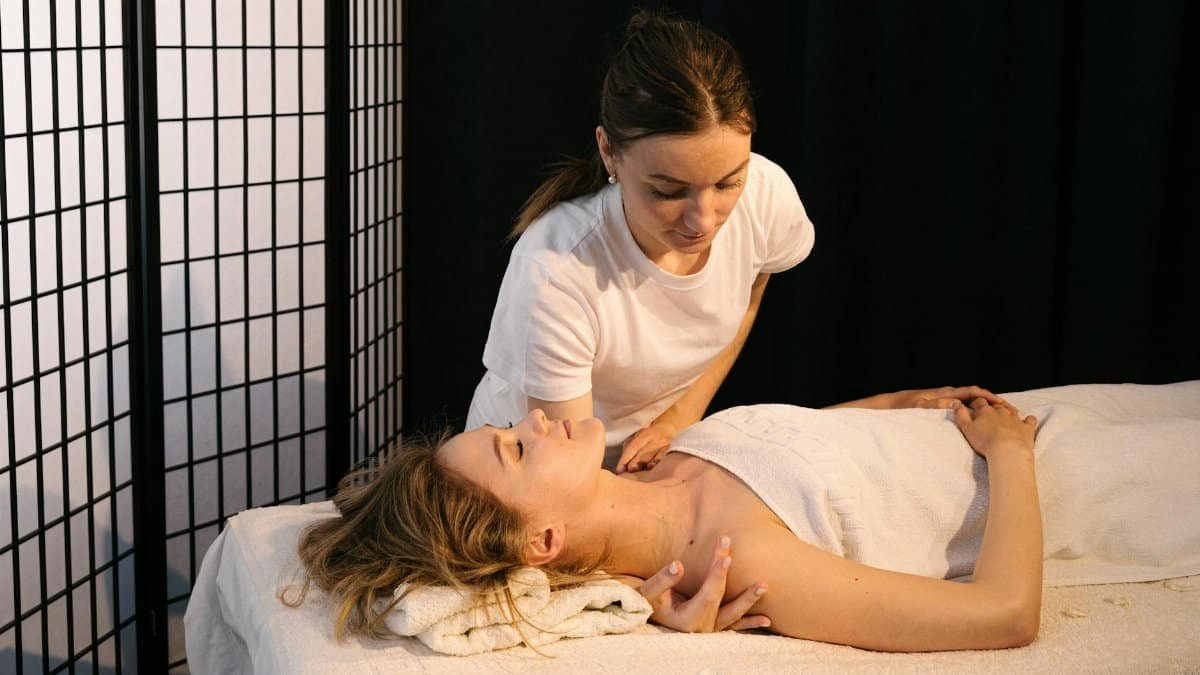
Mind and body intertwine, and mindfulness practitioners often see tangible health improvements. Lower blood pressure, better sleep—these aren’t abstract. A nurse in Texas recounted how chronic insomnia eased after evening mindfulness exercises, her body finally relaxing into rest.
Evidence from the Mayo Clinic links mindfulness to reduced inflammation and stronger immune responses. It’s especially vital for those managing chronic pain, where awareness shifts focus from suffering to acceptance.
Not everyone experiences immediate relief; some confront physical discomfort during practice. Persistence pays off, though. In wellness trends of 2025, this holistic approach gains traction. For details, check the Mayo Clinic’s guide to mindfulness exercises.
Energized mornings follow restful nights. Aches diminish. The practice nurtures physical well-being, proving the mind’s power over the body.
Discovering the Self: Heightened Awareness and Growth

Self-awareness blooms in mindfulness, revealing patterns long ignored. Newcomers often uncover hidden motivations, leading to personal growth. An artist from Portland described it as “peeling back layers to find my authentic voice,” sparking creative breakthroughs.
This introspection aligns with findings from the University of California, Berkeley, where mindfulness programs enhance self-compassion. It counters self-criticism, fostering a kinder inner dialogue.
Tensions emerge when facing uncomfortable truths. Yet, this discomfort fuels transformation. In a year like 2025, with emphasis on mental health, such growth is empowering. Reference this Greater Good Science Center at UC Berkeley on mindfulness.
Decisions align with values. Confidence builds. Mindfulness illuminates the path to self-actualization, one breath at a time.
Shifting Routines: Changes in Daily Habits

Habits evolve subtly with mindfulness. Eating becomes mindful, walks turn meditative. A retiree in Florida noted how rushed meals gave way to savoring flavors, enhancing enjoyment and health.
Research from the NIH underscores how mindfulness curbs impulsive behaviors, promoting intentional living. This extends to exercise and screen time, creating balanced days.
Old habits resist, but awareness erodes them. In urban America, where convenience reigns, this shift counters autopilot living. For insights, see the NIH News in Health on mindfulness.
Mornings start intentionally. Evenings wind down peacefully. Daily life gains depth, infused with presence.
Navigating Hurdles: Common Challenges and How to Overcome Them

Starting mindfulness isn’t always serene. Many face wandering minds or doubt. “I felt like a failure at first,” admitted a student from Boston, but persistence revealed progress.
Experts from the Cleveland Clinic advise starting small to build momentum. Challenges like time constraints fade with integration into routines.
This resilience mirrors broader U.S. trends, where apps make practice accessible. In 2025, overcoming these builds lasting commitment. Explore tips at the Cleveland Clinic’s mindfulness page.
Frustration turns to flow. Doubts dissolve. The journey, with its ups and downs, leads to profound change.
Long-Term Horizons: Sustained Transformations

Over months, mindfulness cements deeper changes. Purpose emerges; gratitude flourishes. A veteran practitioner reflected on a “fundamental energy shift,” viewing life through a lens of possibility.
Longitudinal studies, like those from the University of Wisconsin, show sustained practice alters brain structure for lasting well-being. It’s a commitment yielding compounding returns.
In an uncertain world, this anchors individuals. As 2025 unfolds, more embrace it for enduring growth. For more, visit Center for Healthy Minds at University of Wisconsin.
Resilience strengthens. Joy deepens. The practice evolves from habit to way of being, transforming lives indelibly.