

A recent study from the American Psychological Association revealed that nearly 40% of Americans report higher levels of stress than a decade ago, yet those engaging in practices like therapy or mindfulness see marked improvements in their emotional well-being. This figure, drawn from a comprehensive survey, underscores a growing recognition of emotional healing as a vital tool amid life’s pressures. It’s not just about patching up old wounds; it’s about fostering a deeper sense of peace and clarity. As more people turn to emotional healing—through journaling, counseling, or meditative reflection—they often describe unexpected shifts in how they navigate daily challenges. These changes ripple outward, touching everything from work performance to personal relationships, suggesting that what begins as inner work can reshape one’s entire outlook.
A Fresh Lens on Everyday Challenges
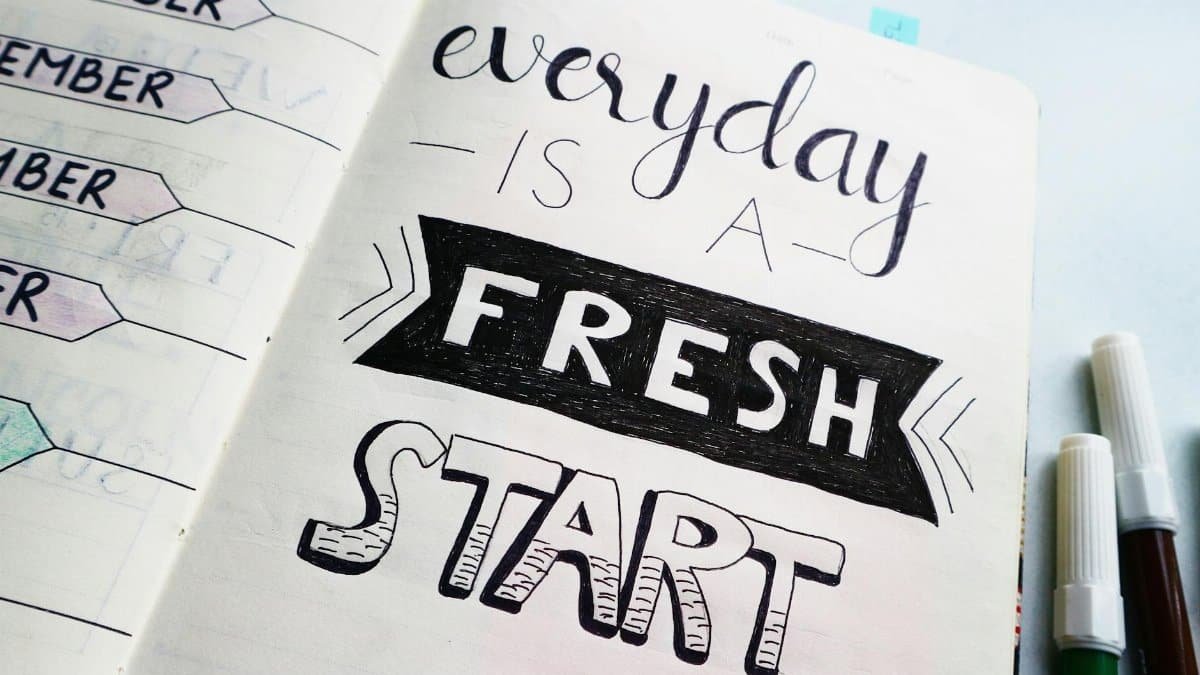
People often find that starting emotional healing brings a subtle but profound change in how they view routine obstacles. Instead of reacting with frustration to a delayed train or a work deadline, there’s a pause, a breath, and then a calmer response. This isn’t magic; it’s the result of unpacking buried emotions that once clouded judgment.
Take Sarah, a midwestern teacher in her forties, who began therapy after years of suppressing grief from a family loss. She noticed how small irritations no longer escalated into full-blown arguments at home. “It was like turning down the volume on my inner critic,” she shared in a conversation. Research supports this: a study published in the Journal of Clinical Psychology found that emotional processing techniques reduce reactivity to stressors by up to 25%.Journal of Clinical Psychology Study.
Yet this shift isn’t always linear. Some days, old patterns resurface, reminding practitioners that healing is a practice, not a destination. In bustling cities like Chicago, where life moves fast, this newfound perspective helps maintain balance amid chaos.
Deeper Connections with Others

Imagine sitting across from a friend, truly listening without the weight of unspoken resentments. That’s a common transformation for those practicing emotional healing. By addressing personal vulnerabilities, individuals become more empathetic, fostering stronger bonds.
Online discussions often reveal stories of renewed marriages or friendships. One anonymous account described how confronting childhood insecurities led to honest conversations with a spouse, turning a strained relationship into a supportive partnership. It’s a reminder that healing inwardly enhances outward interactions.
Experts note this relational boost stems from improved emotional intelligence. According to the National Institutes of Health, programs focusing on emotional regulation can enhance interpersonal skills significantly.NIMH Emotional Health Resources. In 2025, with remote work still prevalent, these skills prove invaluable for virtual teams, where miscommunications easily arise.
Of course, not every connection deepens overnight. Some face the discomfort of setting boundaries, which can initially strain ties. But over time, authenticity draws in more genuine relationships, creating a network built on trust rather than pretense.
Building Inner Resilience

Resilience isn’t about toughing it out; it’s about bending without breaking. Those who embark on emotional healing often report a sturdier emotional core, better equipped to handle life’s curveballs.
Consider the case of a New York accountant who, after months of mindfulness exercises, weathered a job loss with unexpected grace. He didn’t spiral into despair as he might have before; instead, he viewed it as an opportunity for growth. This mirrors findings from Harvard’s long-term studies on well-being, where emotional healing practices correlate with lower rates of burnout.Harvard Study of Adult Development.
Sentences like these highlight the active rebuilding process. Short bursts of reflection mix with longer periods of integration, creating a rhythm that sustains momentum. Yet, resilience building can unearth vulnerabilities, demanding patience. In regions hit hard by economic shifts, like the Rust Belt, this inner strength becomes a quiet superpower, helping communities rebound.
Heightened Self-Awareness

What if knowing yourself better unlocked doors you didn’t even see? Emotional healing frequently leads to this kind of revelation, sharpening one’s sense of identity and purpose.
A group session in a California wellness center illustrates this: participants shared how journaling exposed long-ignored patterns, like people-pleasing behaviors rooted in past rejections. One woman realized her career dissatisfaction stemmed from unhealed fears of failure, prompting a bold pivot to entrepreneurship.
Data from Pew Research shows that self-reflection practices are on the rise, with 35% of adults reporting increased focus on personal growth post-pandemic.Pew Research on Personal Growth. This awareness extends to daily habits, encouraging choices aligned with true values rather than external pressures.
Still, self-discovery can be unsettling, stirring up doubts. The key lies in gentle persistence, allowing insights to unfold naturally without force.
Unexpected Physical Perks

Emotional healing doesn’t stop at the mind; it often spills over into the body. Reduced anxiety might mean fewer tension headaches, or better sleep could follow resolved inner conflicts.
Picture a retiree in Florida who, through grief counseling, alleviated chronic back pain tied to suppressed emotions. Doctors had puzzled over it for years, but emotional release brought relief. Studies from the Mayo Clinic link emotional health to physical outcomes, noting decreased inflammation in those who process trauma effectively.Mayo Clinic on Stress and Health.
These benefits accumulate quietly. A quick walk feels invigorating when the mind is unburdened. In 2025, as healthcare costs rise, such holistic approaches gain traction, blending mental and physical care for comprehensive wellness.
Challenges arise when physical symptoms mask deeper issues, requiring professional guidance to navigate safely.
Navigating the Hurdles

No path to emotional healing is without bumps. Initial efforts might stir up more pain than peace, as buried feelings surface.
One man’s journey began with enthusiasm but hit a wall when memories overwhelmed him. He pushed through with a therapist’s support, emerging stronger. This echoes reports from the Substance Abuse and Mental Health Services Administration, which emphasize the importance of paced healing to avoid re-traumatization.SAMHSA Trauma-Informed Care.
Varied experiences show that hurdles vary by background—cultural stigmas in some communities add layers of resistance. Yet, overcoming them often amplifies the eventual rewards, turning obstacles into stepping stones.
Sustained Growth Over Time
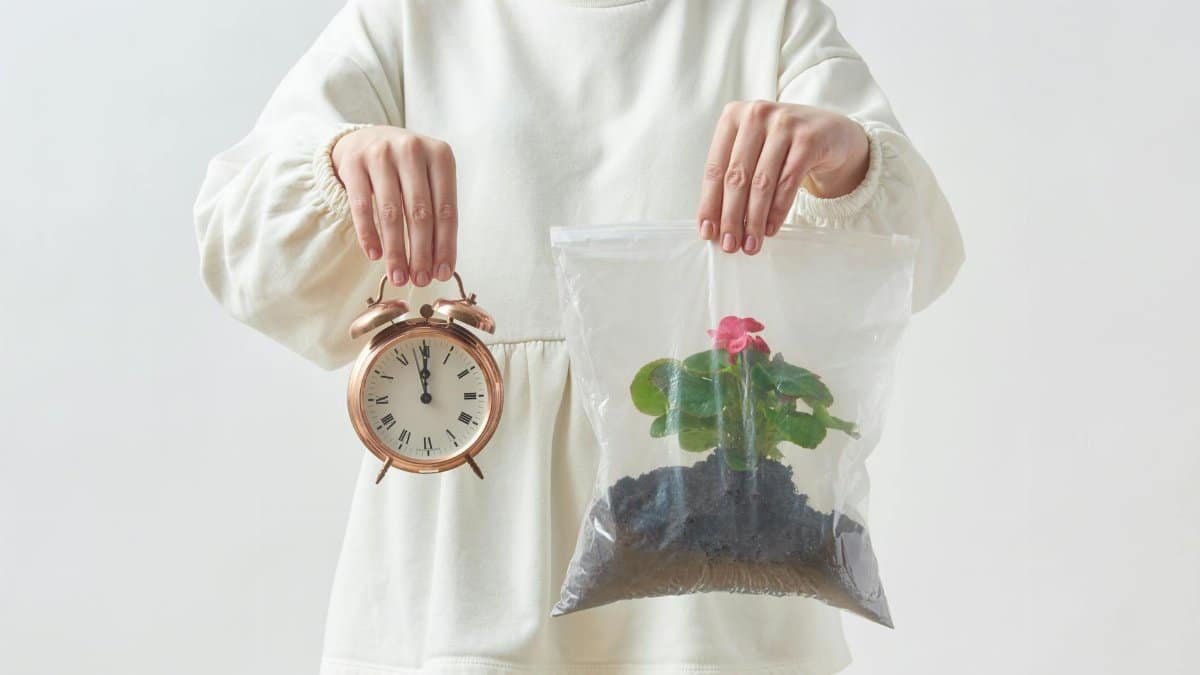
Long-term practitioners of emotional healing notice compounding effects, where early changes evolve into lifelong habits.
In a quiet suburb outside Seattle, a book club turned into a healing circle, where members tracked progress over years. One participant marveled at how her once-volatile moods stabilized, leading to a promotion she never thought possible.
Longitudinal research from the University of California supports this, indicating sustained emotional work correlates with higher life satisfaction.UC Berkeley Greater Good Science Center. As 2025 unfolds, with societal stresses persisting, these enduring transformations offer hope, proving that consistent effort yields profound, lasting change.
Reflections on this journey reveal its cyclical nature—growth begets more growth, inviting continual evolution.