
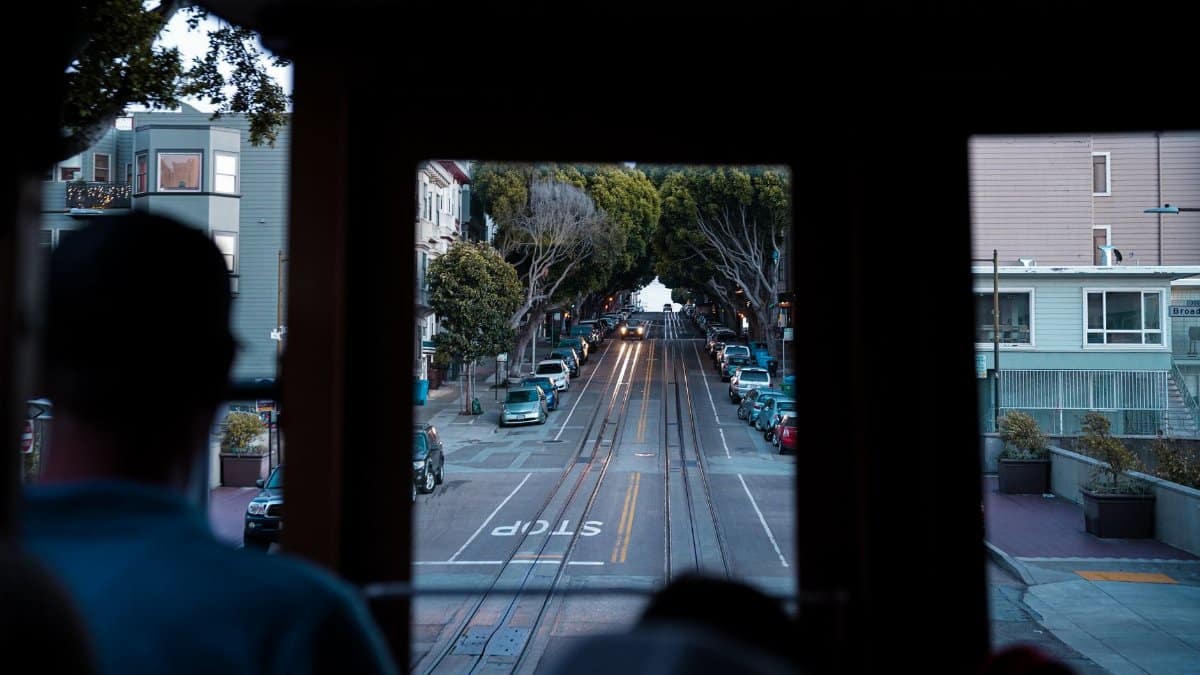
A golden shimmer on the streets of San Francisco turned heads in recent months. Observers noted an unusual Tesla vehicle navigating the city without a driver present. This sighting of Tesla robotaxi gold has prompted many to consider how such machines might reshape daily commutes and urban life in the years ahead. Residents and experts alike have begun discussing the implications for safety and convenience as these vehicles become more common. The event stands out not just for its color but for what it signals about broader shifts in mobility.
Urban Integration Challenges
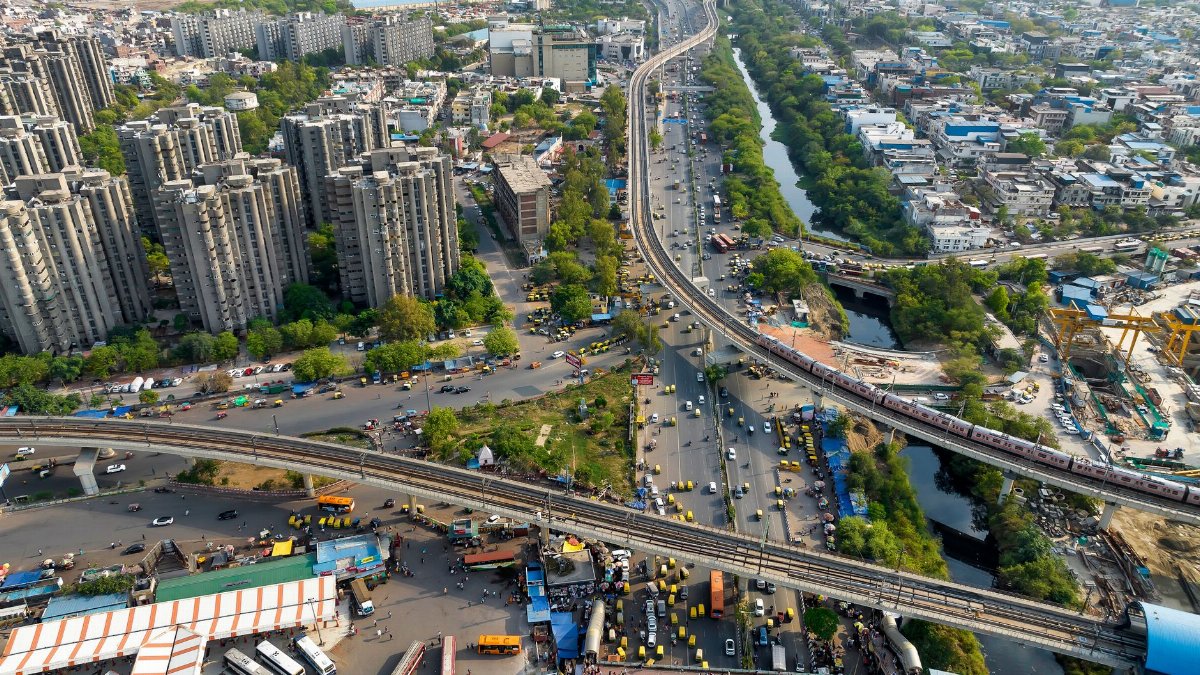
City planners now face fresh questions about how autonomous vehicles will share space with bicycles pedestrians and traditional cars. San Francisco already deals with crowded roads and limited parking. Adding vehicles that operate without human input requires new rules for traffic flow and emergency responses. Local officials have started mapping routes where these machines can operate safely while minimizing disruptions to existing patterns of movement. Early tests show promise yet also reveal gaps in infrastructure that must be addressed before wider adoption.
Public Reactions Across Neighborhoods
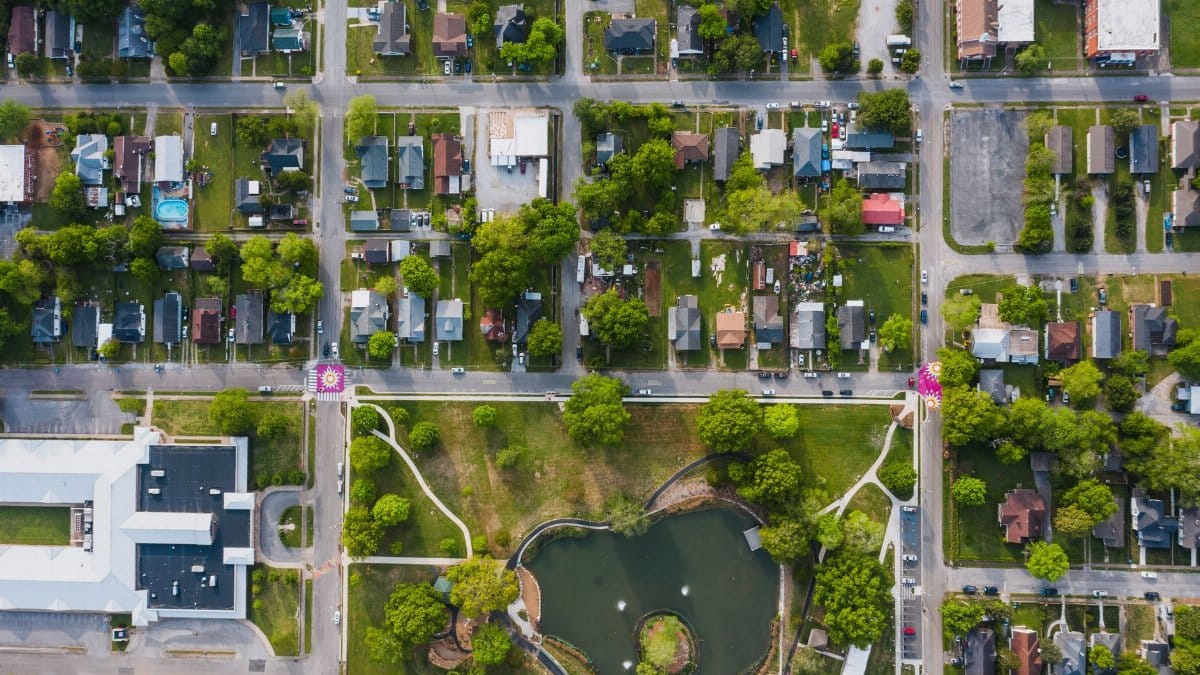
Reactions vary by district. In busy downtown areas some people view the gold painted model as a symbol of progress. Others in residential zones express concern over noise privacy and the loss of jobs for human drivers. Community meetings have drawn crowds eager to voice opinions on how this technology fits into neighborhood life. One longtime resident described watching the vehicle glide past her home as both fascinating and unsettling given the speed of change.
Regulatory Developments Underway

State and federal agencies continue to refine guidelines for autonomous transport. Lawmakers focus on liability when incidents occur and on standards for vehicle testing in populated zones. Recent proposals emphasize data sharing between companies and regulators to track performance over time. These steps aim to balance innovation with protections for the public. Observers note that clear policies could speed up responsible deployment across multiple cities.
Economic Opportunities Emerging

The arrival of such vehicles opens doors for new businesses in maintenance software and fleet management. Workers with skills in artificial intelligence and robotics may find fresh roles. At the same time some traditional driving positions could diminish creating a need for retraining programs. Economists suggest the overall effect on employment will depend on how quickly companies expand operations and partner with local governments.
Environmental Considerations in Play

Proponents argue that widespread use of electric autonomous models could reduce emissions if paired with clean energy sources. Fewer cars on roads during peak hours might ease congestion and improve air quality. Yet manufacturing these advanced machines demands resources and energy which raises questions about the full lifecycle impact. Studies from transportation researchers highlight the importance of sustainable production methods to realize any net benefits.
Global Comparisons and Lessons

Other nations have moved ahead with similar technology in controlled settings. Cities in Asia and Europe offer examples of scaled operations that San Francisco might study. Differences in regulations culture and road conditions mean no single approach fits everywhere. American cities can learn from both successes and setbacks abroad to craft strategies suited to local needs.
Future Prospects for Mobility

Looking ahead the gold colored model represents one step in a longer journey toward driverless systems. Continued refinements in sensors and decision making software will determine how soon these vehicles handle complex urban scenarios with full reliability. Public trust remains a key factor as more people encounter them in daily settings. Over time thoughtful planning could turn this innovation into a steady part of American transportation.