
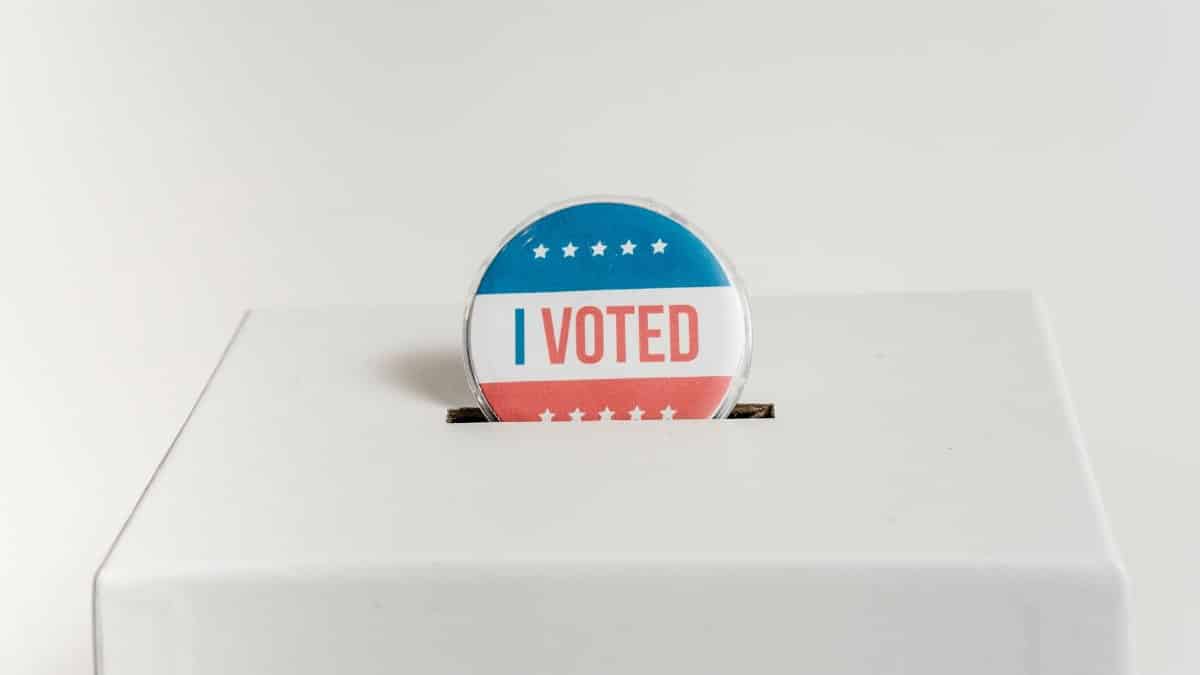
The August primary in Minnesota drew an unusually large number of citizens to the polls, reflecting deep interest in the contests that will shape the state for years ahead. Minnesota primary turnout reached levels not seen in recent cycles, setting the stage for a November showdown that could make history with two women at the top of the ticket.
Historic Scale of Citizen Participation
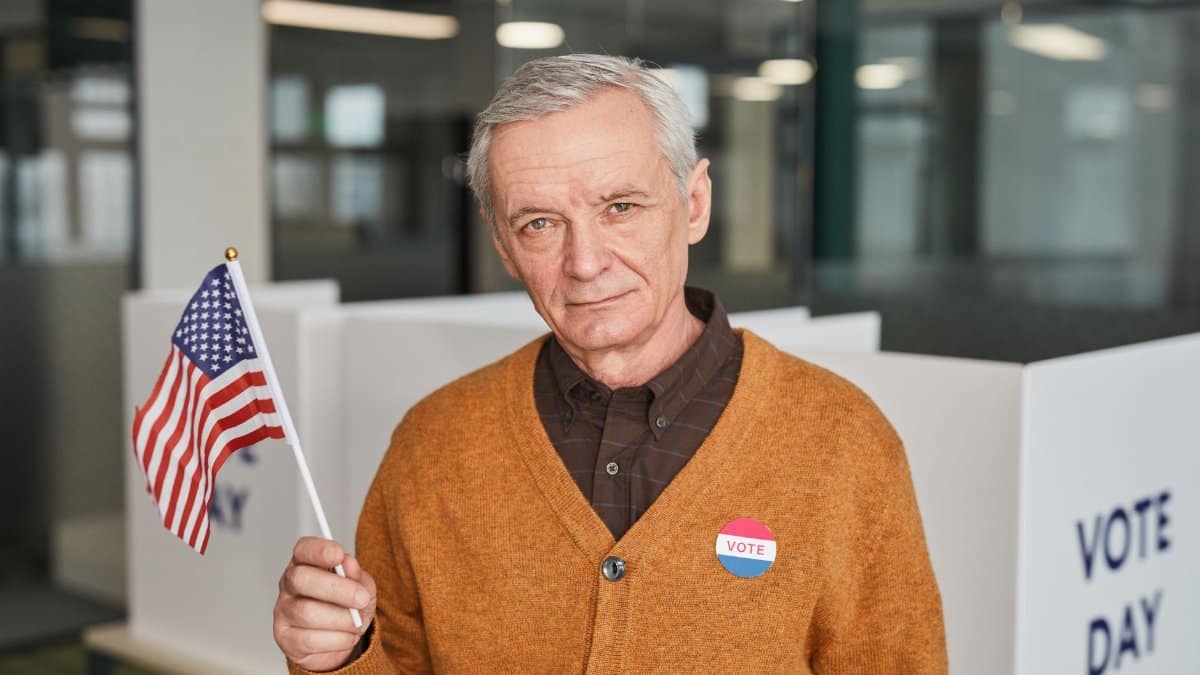
Voters turned out in numbers that surprised even longtime observers of state elections. Lines formed early at polling places across urban centers and rural counties alike. Election officials reported steady streams of people casting ballots from morning until close, a sign that residents viewed the choices before them as especially important. This surge suggests a renewed sense of duty among middle aged citizens who often sit out off year contests.
Path to an All Woman Governors Contest
The results positioned Senator Amy Klobuchar against challenger Demuth for the governors office. Both candidates now prepare for a fall campaign that will focus on economic pressures, health care access, and education funding. Their presence on the ballot marks a shift in the states political landscape and draws attention to how women navigate high stakes races in the Midwest.
Local Issues Driving Engagement
Farm communities voiced concerns over commodity prices and water quality regulations while suburban districts emphasized housing costs and transit improvements. These topics encouraged neighbors to discuss choices at kitchen tables and community gatherings. The conversations appear to have translated into action at the ballot box as people sought candidates who addressed everyday realities rather than abstract national debates.
Role of Community Networks in Mobilization
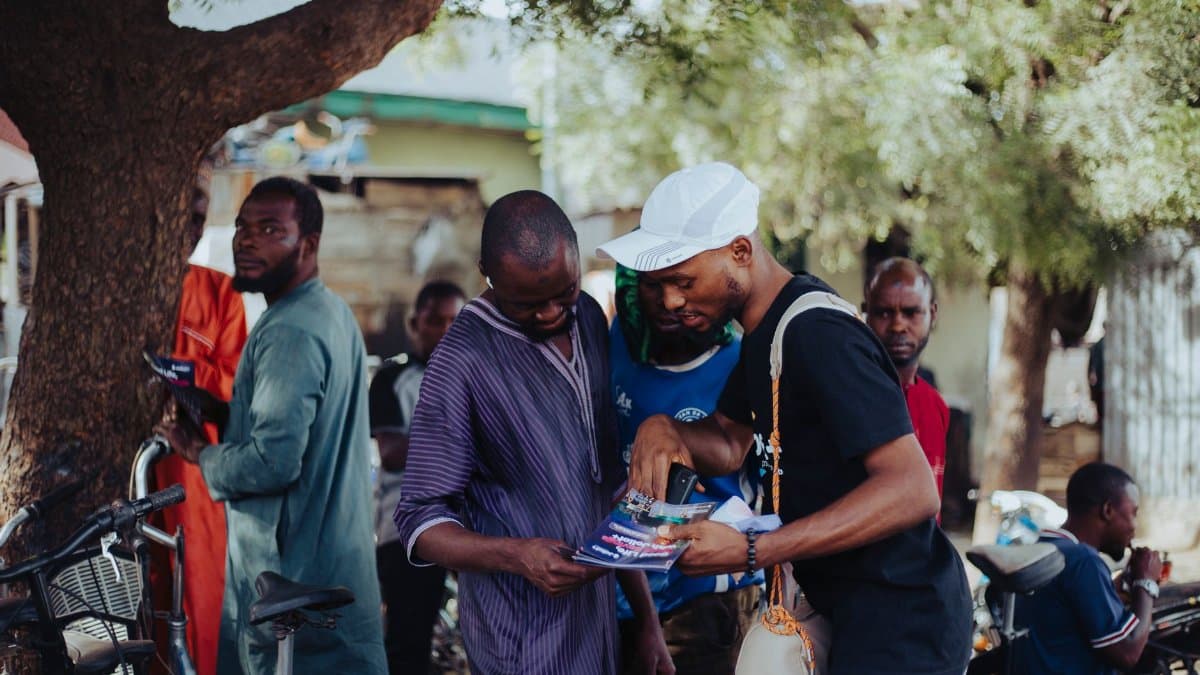
Churches, labor halls, and neighborhood associations played quiet yet steady parts in reminding members to vote. Organizers focused on personal outreach rather than mass advertising, knocking on doors and making calls to those who had skipped previous primaries. Such efforts often prove more effective than television spots when the goal is steady participation across age groups.
Weather and Logistics on Election Day
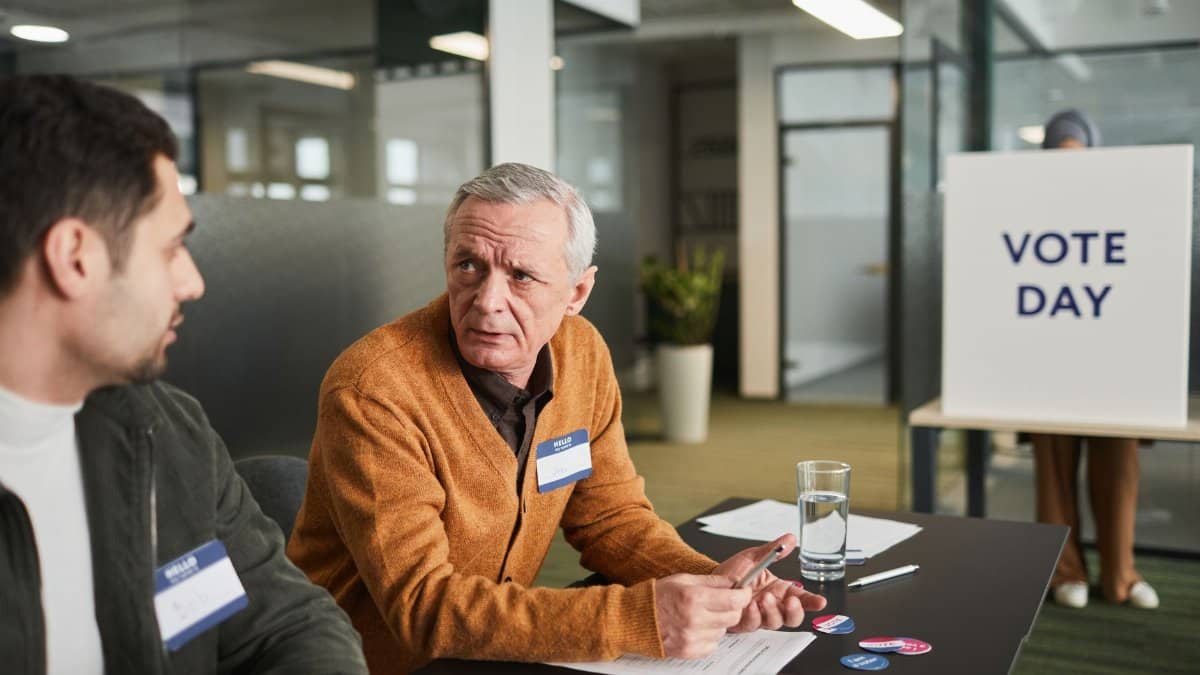
Clear skies helped keep polling places accessible even in northern counties where early fall chill can deter some residents. Officials added extra machines in high volume precincts to reduce wait times. These practical steps combined with public service announcements that stressed the ease of early voting contributed to the smooth process many experienced.
Looking Ahead to November Implications
The strong primary showing sets expectations for continued interest in the general election. Campaigns will need to maintain momentum by addressing specific policy proposals rather than relying on broad appeals. Observers note that sustained engagement could influence not only the governors race but also legislative contests that determine budget priorities and social services.
Reflections on Civic Responsibility
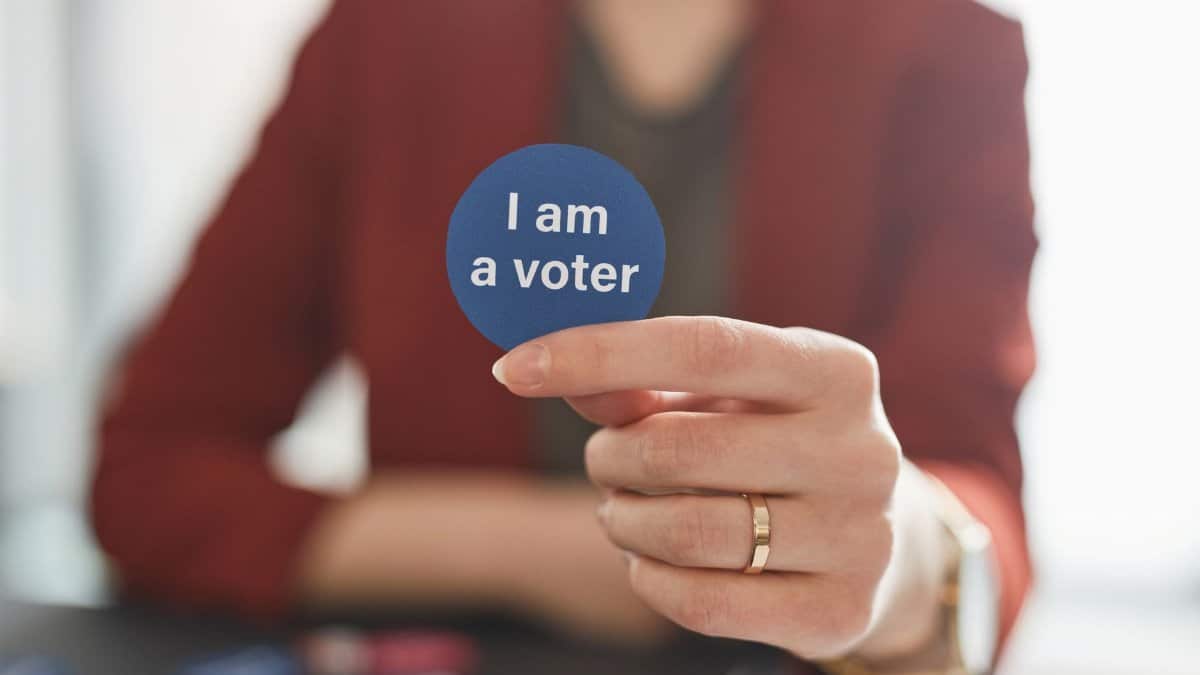
Many participants described voting as an expression of care for future generations. This perspective aligns with values that emphasize stewardship of shared resources and institutions. As the state moves toward its first possible woman led administration, the focus remains on how citizens continue to shape outcomes through consistent involvement.