

In living rooms and offices across the United States a quiet but significant shift is taking place among middle aged adults. Individuals who once faithfully wore their smartwatches and logged every meal are now setting those tools aside. They seek a different kind of freedom from the very devices meant to enhance their lives. The term wellness tracker burnout has emerged to describe the exhaustion and stress that can result from relentless self monitoring through technology. This fatigue is prompting a reevaluation of how we pursue health and happiness in an increasingly quantified world.
The movement toward becoming what some call the joyful novice represents more than just abandoning gadgets. It signals a return to intuitive living where the focus is on feeling good rather than hitting targets. For many this change has brought unexpected benefits including reduced anxiety and a renewed enjoyment of physical activity.
The Initial Excitement Around Health Tracking Devices
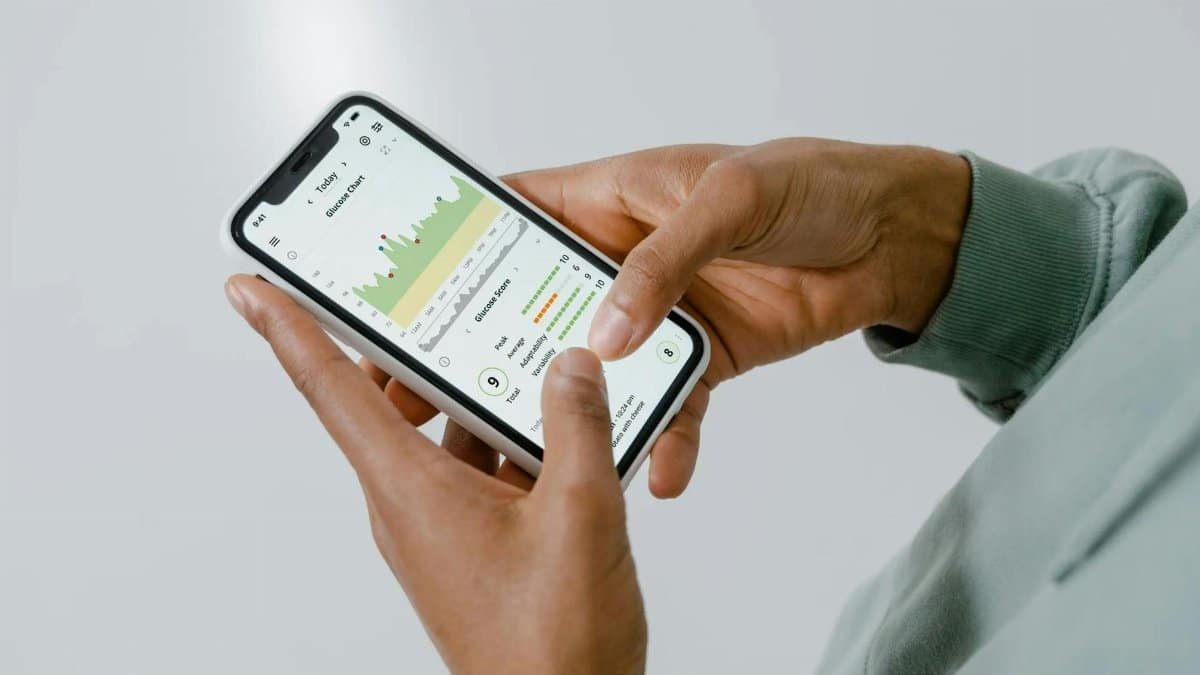
When these devices first entered the market they generated tremendous enthusiasm. Consumers embraced the ability to quantify their daily movements and bodily functions with remarkable accuracy. The feedback loops provided immediate gratification when goals were met and clear directives for improvement.
Professionals in their forties and fifties particularly appreciated the structure these tools brought to otherwise chaotic schedules filled with work and family commitments. The appeal lay in the promise of control in a world full of uncertainties.
When Data Begins to Dictate Daily Moods

Over time the relationship with these devices often changes. What starts as helpful guidance can evolve into a source of judgment and pressure. A day with fewer steps than expected might lead to feelings of disappointment that linger and affect overall outlook.
This dynamic illustrates how external metrics can override internal cues. The body has natural ways of signaling its needs yet the constant comparison to algorithms can drown out those signals. As a result many find themselves exercising not for pleasure but to satisfy an application.
Recognizing the Signs of Wellness Tracker Burnout

Wellness tracker burnout manifests in several noticeable ways. Users may feel compelled to check their statistics multiple times each day even at the expense of being present with family or friends. There is often a sense of dread associated with falling short of arbitrary goals.
Experts in behavioral health have observed that this form of burnout shares characteristics with other types of technological overload. The mind becomes preoccupied with data points and optimization strategies leaving less room for relaxation and spontaneous joy.
Embracing the Joyful Novice Mindset

The joyful novice approach draws inspiration from spiritual concepts like the beginners mind found in various contemplative traditions. It encourages approaching daily activities with openness and without the burden of expertise or performance standards.
This mindset fosters a gentler relationship with the body. Rather than pushing for constant improvement the emphasis is on listening and responding with kindness. Middle aged individuals often find this particularly liberating.
Personal Experiences of Liberation and Relief

Consider the story of Michael Rivera a forty eight year old accountant from Denver. After years of tracking his runs and monitoring his heart rate variability he realized that the data was making him more anxious about his fitness level.
Upon removing his wearable device he noticed an immediate improvement in his enjoyment of outdoor activities. His runs became meditative experiences rather than timed trials and his overall stress levels decreased noticeably. Similar transformations are reported by women and men alike.
Scientific Perspectives on the Impact of Self Tracking

Research published in the Journal of Behavioral Medicine in twenty twenty four explored the psychological effects of prolonged wearable device use. The study involving over five hundred participants found that thirty seven percent reported increased anxiety related to their physical activity levels after six months of consistent tracking.
Authors noted that while short term use can motivate positive behaviors long term engagement sometimes leads to diminished returns. Details are available at https://www.journalofbehavioralmedicine.com/article/trackinganxiety.
Spiritual Traditions and the Value of Not Knowing

Many spiritual paths emphasize the importance of surrender and trust in the natural flow of life. The constant quest for data stands in opposition to these teachings by promoting a need to analyze and control every variable.
By adopting the joyful novice perspective individuals align more closely with principles of acceptance and presence that have sustained seekers for centuries. In yoga and meditation communities the trend toward untracked wellness is gaining attention.
Practical Ways to Transition Away From Trackers

Making the shift requires some adjustment but many find it rewarding. One effective strategy involves gradually reducing reliance on the devices rather than stopping abruptly. Individuals might begin by leaving their trackers at home during certain activities and noting how that feels.
Replacing the data with reflective practices can help maintain awareness. Simple questions about energy levels and mood provide valuable information without the precision that often leads to overthinking. Communities both online and in person are forming to support those exploring this new way of relating to wellness.
The Potential for a More Balanced Future in Wellness

As awareness of wellness tracker burnout spreads the wellness industry may adapt by offering more flexible and less intrusive options. Some companies are already developing applications that prioritize user chosen goals and periods of unmonitored activity.
Ultimately the joyful novice trend reminds us that health is a deeply personal journey. It cannot be fully captured in graphs or percentages but is better understood through direct experience and attentive care. In embracing this perspective many are finding not only relief from stress but a more profound connection to their own lives and well being.