
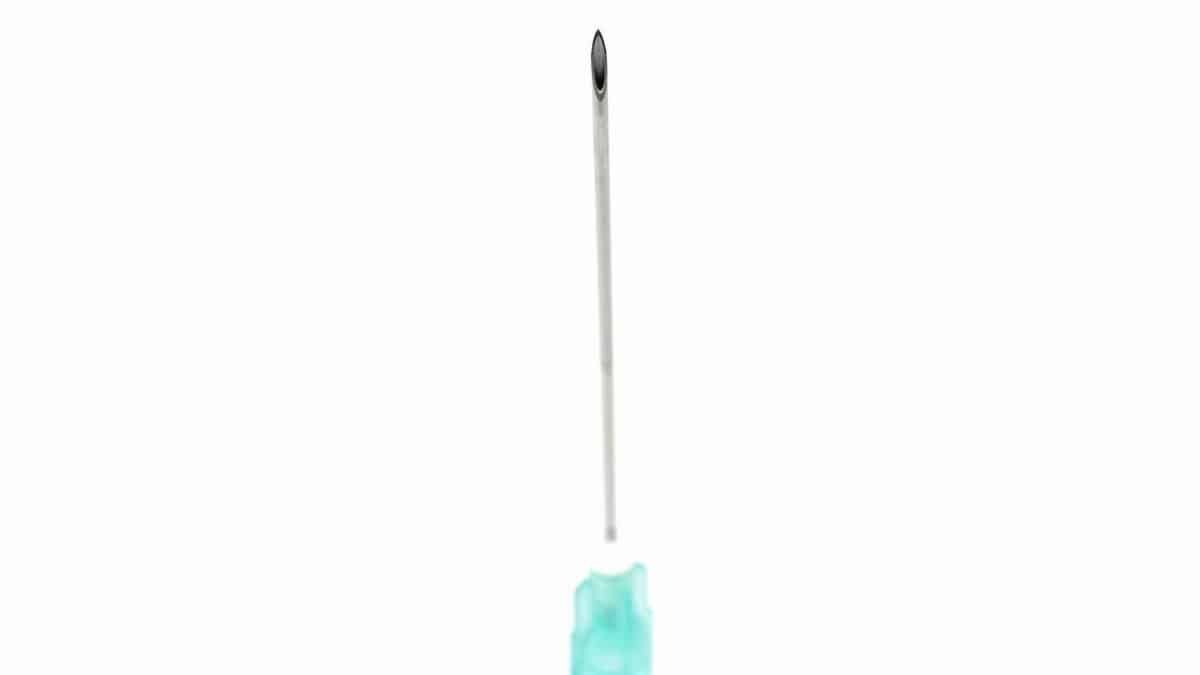
When did you last clean the exit needle in your Keurig machine? Viral videos circulating online reveal a nasty truth: that hidden component often clogs with old coffee oils and mold. The buildup not only ruins the fresh taste of your morning brew but raises hygiene red flags for millions of U.S. coffee drinkers. As keurig needle cleaning gains traction in 2026, these clips are prompting a nationwide wake-up call to inspect and maintain those pod brewers before the next cup turns sour.
Viral Videos Ignite Awareness

Short clips exploding across social media platforms have put the spotlight on Keurig machines. Viewers watch in disgust as creators dismantle brewers to expose the exit needle caked in grime. These videos, shared widely since early 2026, hammer home a simple message: neglect leads to contamination. Coffee enthusiasts report the footage has shifted daily routines, turning casual users into vigilant cleaners. The viral surge underscores how everyday appliances harbor unseen issues, much like past scares with other household gadgets.
The Exit Needle’s Hidden Role

Inside every Keurig, the exit needle punctures the bottom of K-Cup pods to let brewed coffee flow out. It’s a small part, but critical. Over time, residue from thousands of brews accumulates there. Viral demonstrations zoom in on this spot, showing dark, sticky buildup that blocks proper flow. Without attention, it becomes a breeding ground for problems, directly impacting the quality of each pour. U.S. households with these machines now face the reality of maintenance beyond just descaling.
Coffee Oils: The Sticky Culprit

Old coffee oils are the primary offender. Each brew leaves behind trace amounts of these natural compounds from grounds. They don’t rinse away easily with plain water. Instead, they harden and coat the needle’s interior. Viral videos illustrate this layer turning into a tar-like substance after months of use. The result? Uneven extraction and off-flavors in your cup. In 2026, as coffee consumption hits record highs in America, this buildup affects more machines than ever, turning premium pods into subpar sludge.
Mold Growth in Moist Environments
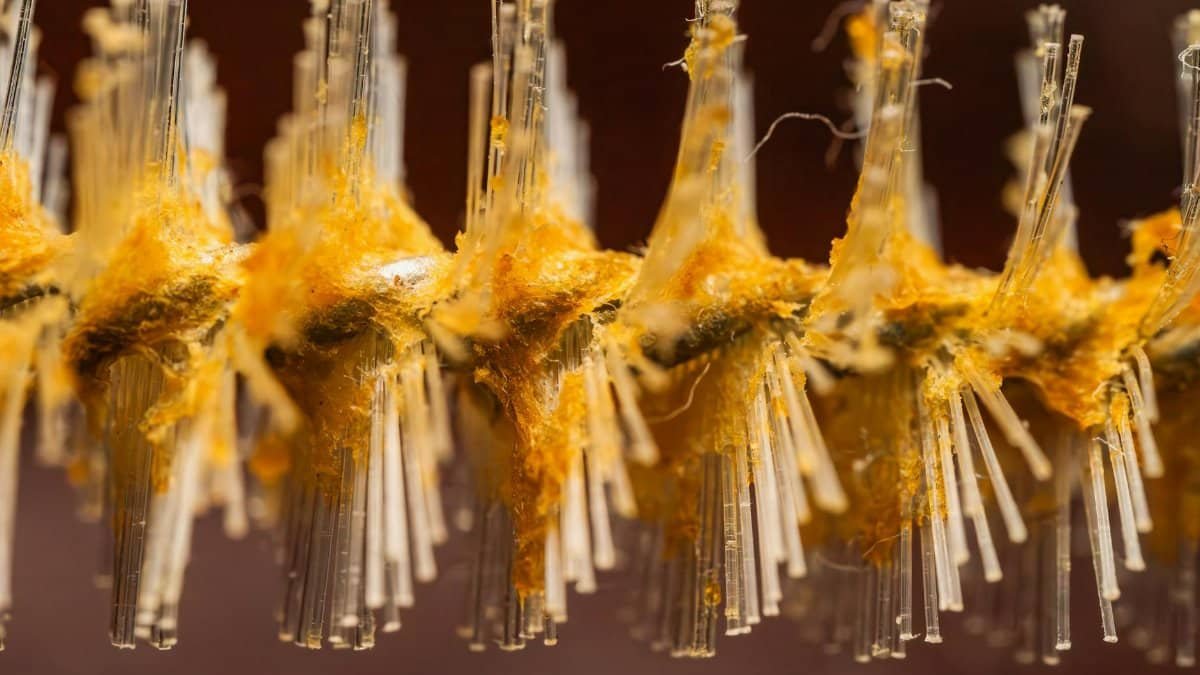
Mold thrives where moisture lingers, and Keurig needles provide the perfect niche. Damp coffee remnants mix with oils, creating ideal conditions for spores to take hold. Videos capture fuzzy patches and black spots, proof of unchecked growth. Health experts note mold can alter taste and pose risks if ingested over time. For more on mold hazards in home appliances, see the CDC’s mold cleanup guidelines. These visuals have shocked viewers, linking poor maintenance to potential wellness concerns.
Ruined Taste Hits Home
The ultimate victim is your coffee’s flavor. Clogged needles cause incomplete brewing, leaving drinks weak, bitter, or stale. Users in viral comments describe switching to “terrible” brews without realizing why. Mold and oils infuse a musty undertone that no pod variety masks. This degradation sneaks up, fooling owners into blaming beans or water quality. Now, with videos exposing the source, taste complaints are spiking online forums across the U.S., pushing keurig needle cleaning into everyday conversations.
Why Cleaning Matters Now

Regular keurig needle cleaning restores performance and prevents escalation. The viral trend arrives at a time when single-serve brewers dominate American kitchens—over 40 million units in use. Neglect not only spoils cups but shortens machine life. Demonstrations stress simple checks can avert disaster. For official steps, Keurig’s support outlines needle maintenance on their brewer assistance page. In 2026, this hygiene wake-up feels urgent amid rising home wellness focus.
Social Media’s Role in Consumer Shifts
Platforms like TikTok and YouTube amplify the message. Creators film before-and-after cleanings, showing crystal-clear needles post-maintenance. Shares hit millions, sparking challenges where users document their own discoveries. This grassroots movement mirrors past viral health alerts, from air fryers to blenders. U.S. trends show younger demographics leading the charge, prioritizing appliance hygiene as part of broader clean-living habits. The buzz ensures keurig needle cleaning sticks as a 2026 household essential.
Lessons for Keurig Owners

These videos deliver a clear call: inspect your machine today. Signs of trouble include slow drips, odd tastes, or weak pods. The exit needle’s clog is preventable with routine care. As awareness spreads, expect more owners to act, improving brew quality nationwide. The February 13 revelation marks a pivot point, transforming a niche tip into a must-do. Coffee lovers, take note—your next perfect cup depends on it.