
As backyard gardeners chase bigger yields amid rising food costs and climate woes, an ancient practice is enjoying a quiet renaissance: moon gardening. This old-world method syncs planting, weeding, and harvesting with the moon’s phases, promising healthier crops without chemicals. From urban rooftops to rural plots, enthusiasts swear by its rhythms—root veggies during the waning moon, leafy greens under the waxing glow. Is it folklore or forgotten wisdom? With apps and almanacs making it accessible, moon gardening is drawing in millennials ditching Big Ag for lunar lore.
What Exactly Is Moon Gardening?
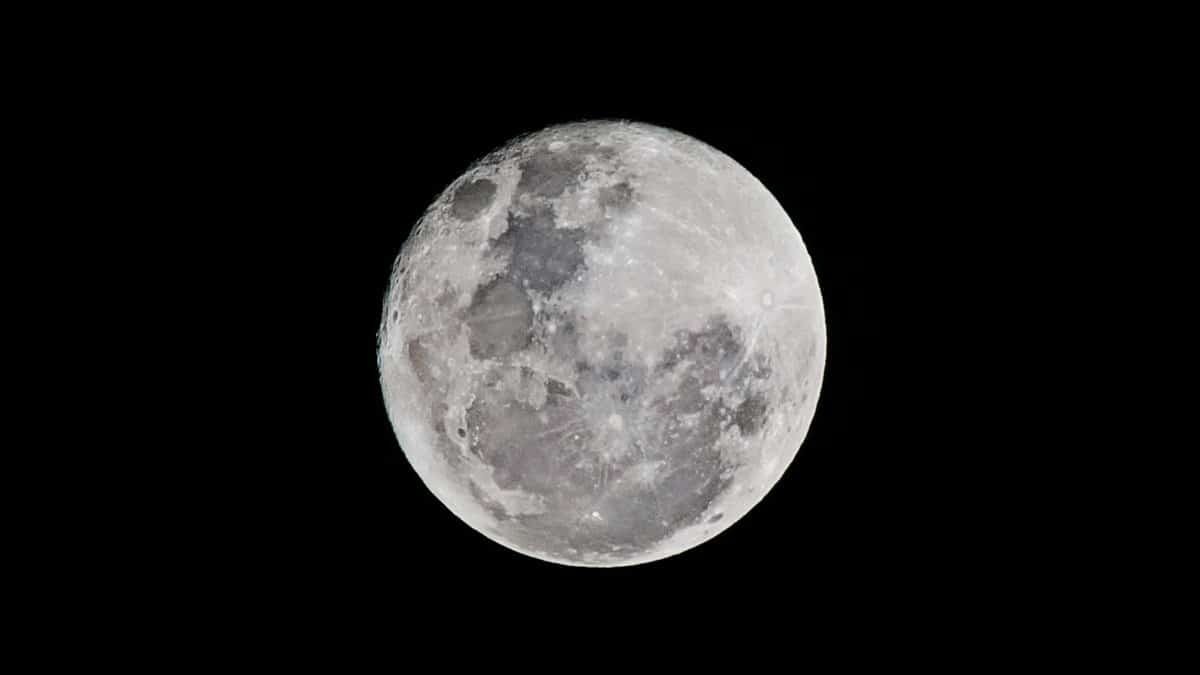
Moon gardening hinges on the lunar cycle’s four phases: new, waxing, full, and waning. Proponents believe the moon’s gravitational pull affects soil moisture and sap flow in plants, much like tides on oceans. Plant above-ground crops like tomatoes or lettuce during waxing phases when “energy” rises; go for roots like carrots or potatoes as the moon wanes and pulls downward. It’s not witchcraft—it’s biodynamic agriculture, rooted in observations from farmers worldwide. Today, online communities buzz with before-and-after photos of bumper harvests.
A Timeless Tradition Revived

The roots trace to 2,500-year-old Babylonian texts and Renaissance almanacs. In colonial America, farmers like Thomas Jefferson noted lunar influences in diaries. Maria Thun, a 20th-century German pioneer, formalized it with her biodynamic calendar, now in its 60th edition. Post-WWII chemical farming sidelined it, but the organic boom flipped the script. Sales of moon-phase planters spiked 40% last year, per gardening retailer data, as pandemic plotters sought self-reliance.
Does Science Back the Buzz?

Skeptics call it pseudoscience, but studies offer glimmers. A 2016 University of Bologna trial found lunar-planted leeks grew 15% taller; Japanese researchers linked full moons to heightened microbial activity in soil. NASA’s own lunar gravity models support moisture fluctuations. Still, critics like the Royal Horticultural Society say it’s correlation, not causation—sunlight and weather matter more. Yet, with no downside beyond a calendar check, why not? Growers report fewer pests and stronger flavors.
Phases Decoded: A Quick Guide

New moon: Ideal for soil prep and resting plots. Waxing crescent to first quarter: Sow annuals needing light, like beans or peas. Full moon: Peak energy for harvesting fruits. Last quarter to new: Root crops and bulbs thrive as moisture sinks. Void-of-course moons—when the satellite idles between signs—are no-plant zones. Track it via free apps like The Old Farmer’s Almanac or paid guides from Maria Thun Associates.
Top Plants for Lunar Success
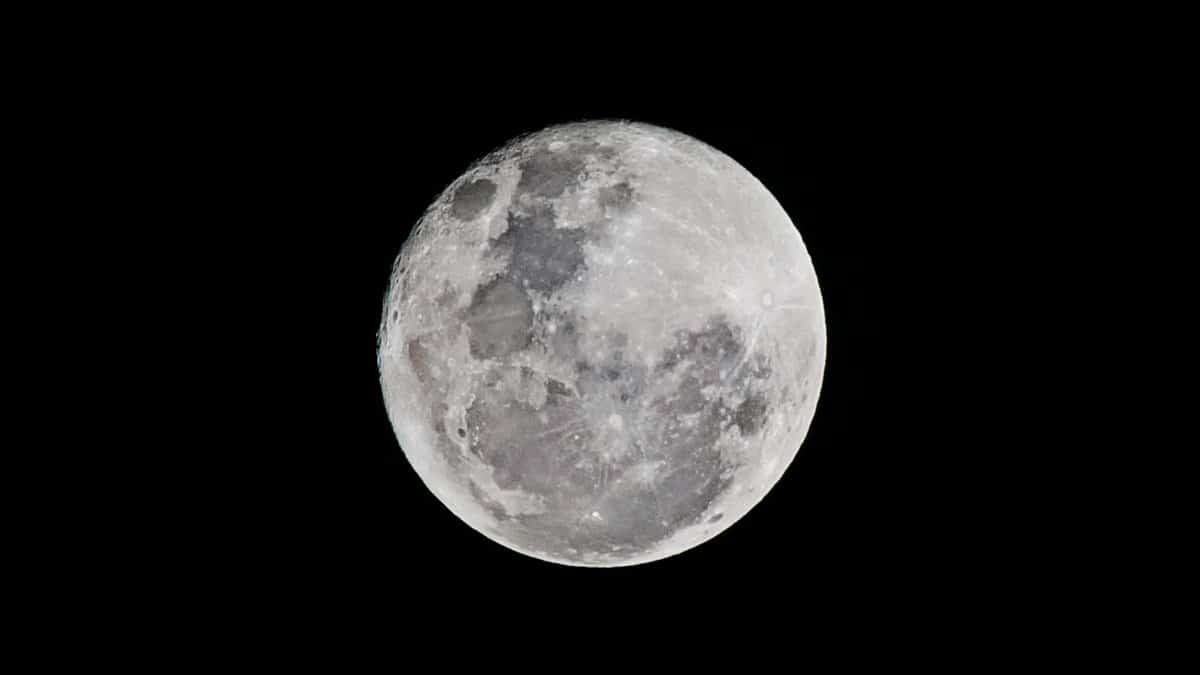
Leafy greens (spinach, kale) love waxing moons for upward growth. Fruits (berries, squash) peak at full moon. Bulbs (onions, garlic) and tubers (potatoes) suit waning phases. Perennials like asparagus go in during barren zodiac signs (Capricorn, Cancer) for resilience. Experimenters tweak for zodiac influences: fiery Aries boosts peppers, watery Pisces aids herbs. Backyard testimonials flood Reddit’s r/MoonGardening, with one user claiming 30% more zucchini.
Real Growers, Real Results

In Oregon, homesteader Lisa Grant tripled her potato yield after switching to moon gardening two years ago. “It’s like the plants know,” she says. Urban farmer Jamal Ortiz in Brooklyn credits it for pest-free basil on his fire escape. A Virginia co-op tracked 50 plots: lunar-timed ones outperformed controls by 12% in weight. Even commercial outfits like California’s Full Belly Farm incorporate phases selectively, blending tradition with tech like drip irrigation.
Tools and Tech for Modern Moonsters

Ditch guesswork with apps like Moon Phase Garden or Lumar. Printable calendars from Stella Natura cost under $20. Basic gear: a journal, magnifying glass for moon signs, and quality seeds. Integrate with companion planting—marigolds near tomatoes during waxing. For apartments, hydroponic kits sync easily. Online courses from the Biodynamic Association run $50, teaching zodiac fine-tunes.
Critics Weigh In: Hype or Help?
Not everyone’s convinced. Extension agents from Cornell University warn against over-reliance, citing variables like soil pH. A 2022 meta-analysis in Agronomy Journal found inconsistent results across climates. Detractors mock it as “astrological agriculture,” but proponents counter: If it boosts yields organically, who cares? With 70 million U.S. gardeners facing droughts, low-risk hacks like this gain traction.
Why It’s Exploding in Backyards Now

Inflation-busting homegrown eats, plus wellness trends, fuel the fire. TikTok #MoonGardening videos hit 5 million views; seed companies report lunar kit sales up 25%. It’s empowering—control your food sans corporations. Climate anxiety plays in: Lunar timing builds resilient gardens. As one Texas retiree put it, “In uncertain times, the moon’s reliable.”
Whether cosmic coincidence or savvy strategy, moon gardening hooks growers craving connection to nature’s pulse. Grab a calendar and dig in—your harvest might just glow.By Chris F. Weber