
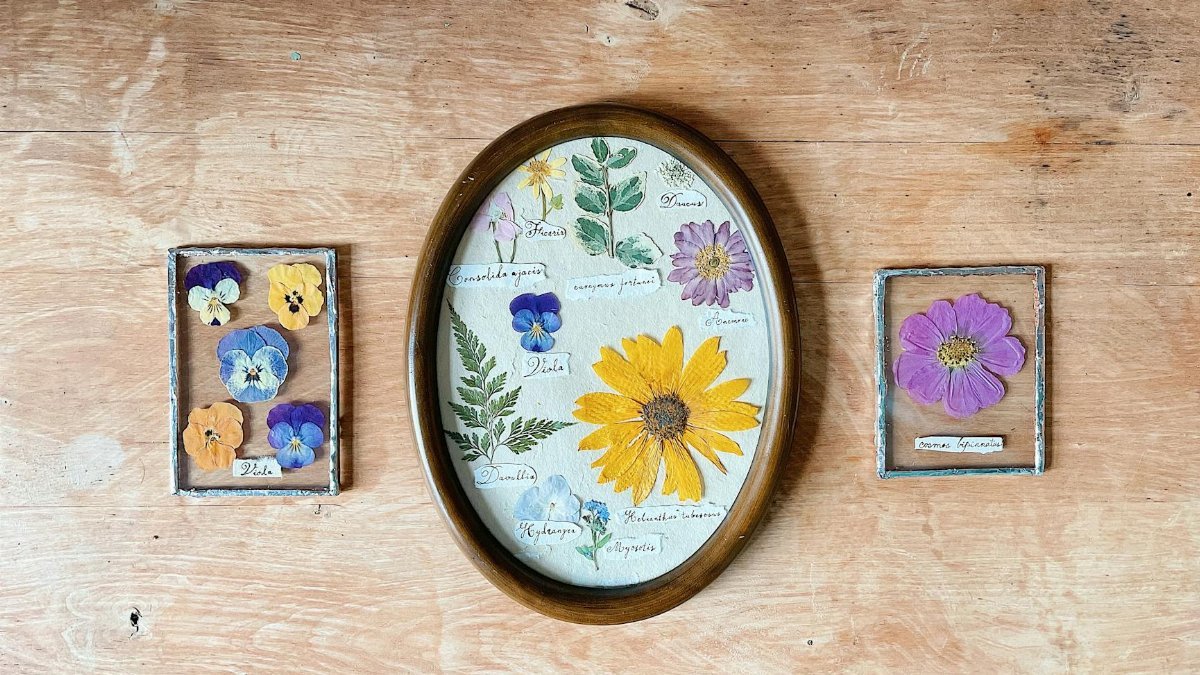
In the dim glow of a Brooklyn makerspace, amid the scent of fresh lavender and crisp rice paper, a group of artisans hunches over wooden presses, coaxing delicate petals into flat perfection. This is botanical framing, the Victorian-era pursuit of pressing wildflowers and ferns into ornate frames, now experiencing an unexpected renaissance. Once a pastime for genteel ladies sketching parlors, it captures fleeting blooms in glass-fronted eternity, turning roadside discoveries into heirloom art. As urban foragers seek solace from screen fatigue, this tactile craft offers a bridge to nature’s impermanence, blending nostalgia with contemporary mindfulness.
Victorian Origins and Social Symbolism
The practice traces back to the 19th century, when botanical framing flourished among Britain’s upper classes. Queen Victoria herself championed flower pressing, filling albums with alpine edelweiss gathered during royal tours. For women constrained by societal norms, it provided a sanctioned outlet for scientific curiosity and artistic expression. Presses, often elegant brass contraptions, flattened specimens under weighted screws, preserving them for study or sentiment. Charles Darwin, too, relied on pressed plants to document his voyages, underscoring the method’s role in early botany. In America, Transcendentalists like Henry David Thoreau pressed New England asters, embedding wildness into domestic decor. These frames adorned mantelpieces, signaling refinement and a romantic view of nature as both fragile and eternal.
The Meticulous Process Step by Step
Creating a botanical frame begins with foraging responsibly, selecting vibrant specimens like Queen Anne’s lace or maple leaves at peak freshness. Gatherers avoid protected areas, favoring public lands or backyard volunteers. At home, flowers dry between absorbent sheets of blotter paper inside a flower press or heavy books for four to six weeks. Patience reigns; rushing warps colors. Once flat, arrangers compose on acid-free backing, using tweezers to position petals precisely. Japanese tissue mends tears, and UV-protective glass shields against fading. The final assembly seals layers into shallow frames, often gilded walnut for authenticity. Modern kits simplify this, but purists insist on handmade presses for superior pressure.
A Resurgence Fueled by Pandemic Isolation

The COVID-19 lockdowns accelerated botanical framing’s revival. Confined indoors, people turned to windowsill gardens and neighborhood walks, pressing what they found. Etsy sales of framing supplies spiked 300 percent in 2020, per platform data, while Instagram hashtags like #PressedFlowerArt amassed millions of posts. Crafters in Seattle and Asheville formed guilds, sharing tips on drying ferns without browning. This boom reflects a broader yearning for analog rituals, as digital overload prompted tactile escapes. Therapists note its meditative quality, akin to coloring books but rooted in real flora, fostering calm through creation.
Modern Innovations Breathing New Life

Today’s practitioners elevate botanical framing beyond dusty relics. Laser-cut frames in minimalist acrylic replace fussy Victorian moldings, suiting sleek apartments. Pigment-stable inks allow subtle tinting for faded blooms, while resin encapsulation adds dimension, encasing 3D elements like seed pods. Influencers layer pressed specimens with watercolor backdrops or integrate LED lighting for glowing displays. Sustainability drives change too: solar-dried presses and recycled glass minimize impact. Workshops at botanical gardens, from the New York Botanical Garden to the Huntington in California, teach these hybrids, drawing crowds eager to merge heritage with high design.
Environmental Stewardship Through Preservation

Botanical framing doubles as conservation advocacy. By pressing local wildflowers, enthusiasts document biodiversity shifts, creating citizen-science archives. Apps like iNaturalist pair with frames to log species, aiding researchers tracking invasive plants or climate effects. In the Midwest, groups press rare prairie orchids, raising awareness for habitat restoration. This visual medium humanizes ecology; a framed trillium tells a story of vanishing woodlands more poignantly than statistics. Ethical foragers follow “leave no trace” principles, pressing only abundant plants and advocating seed-saving to replenish populations.
Celebrity Endorsements and Cultural Cachet

High-profile adopters have propelled botanical framing into the spotlight. Actress Emma Watson displayed pressed English roses at a London gallery show, crediting it for mindfulness amid her schedule. Designer Kelly Wearstler incorporates framed botanicals in hotel lobbies, blending them with midcentury furniture. Even tech mogul Jack Dorsey shared his oak leaf frames on X, calling them “pocket-sized nature.” Galleries like Mass MOCA feature large-scale installations, where artists press invasive kudzu to critique landscapes. This cultural nod elevates the craft from hobby to statement, attracting millennials and Gen Xers alike.
Essential Tools for the Aspiring Framer
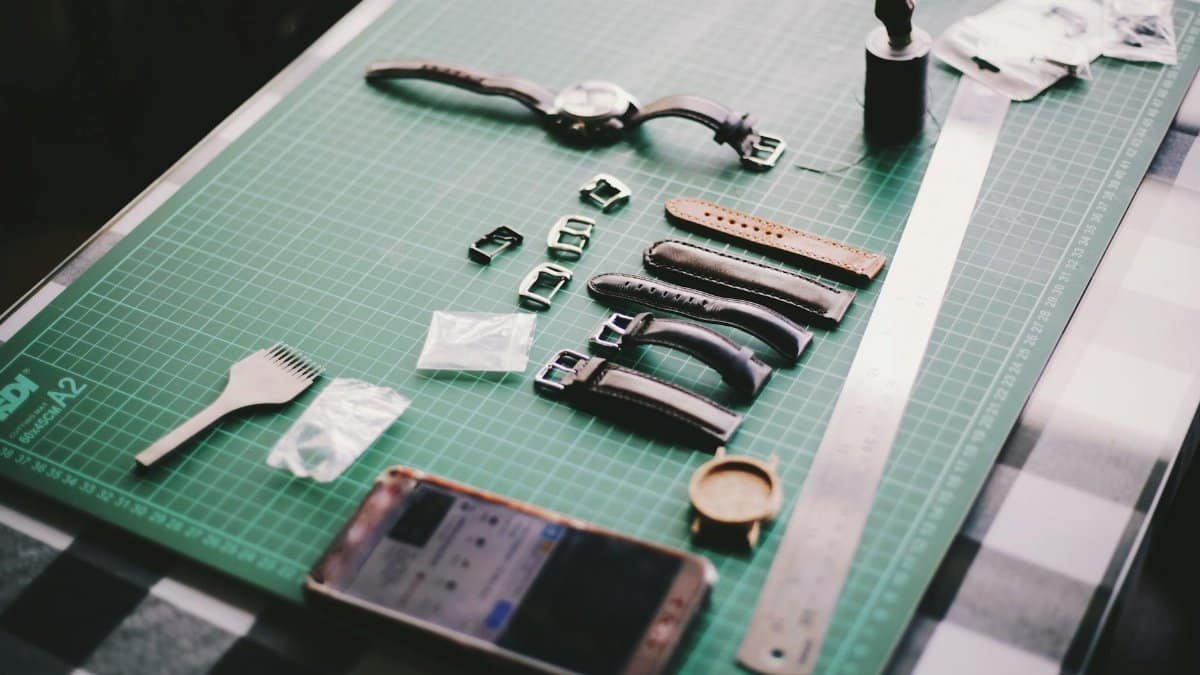
Entry barriers remain low. A basic wooden press costs under $30 online, with field guides like “The Art of Pressing Plants” providing blueprints. Absorbent felts, forceps, and archival mats form the core kit. For framing, rabbet cutters ensure tight seals, while silica gel speeds drying for impatient novices. Community forums on Reddit’s r/PressedFlowers offer troubleshooting, from dewdrop removal to mold prevention. Seasonal timing matters: spring ephemerals like bloodroot demand prompt pressing. With practice, novices produce gallery-worthy pieces, proving the craft’s accessibility in a maker movement era.
Challenges in an Era of Ephemeral Trends

Yet revival brings hurdles. Fading pigments plague old frames, requiring restoration experts versed in conservation-grade adhesives. Mass production dilutes authenticity, as cheap imports flood markets with brittle composites. Climate change alters bloom cycles, challenging foragers to adapt. Purists debate “cheats” like purchased dried flowers versus wild-harvested ones. Still, guilds enforce standards, hosting juried shows to preserve integrity. Longevity tests the form: properly made frames endure centuries, outlasting digital photos prone to obsolescence.
A Timeless Appeal for Future Generations

Botanical framing endures because it marries memory with materiality. In nursing homes, elders press gardenias, evoking youth; children craft frames from dandelion puffs, learning reverence for seasons. Museums curate collections spanning eras, from Audubon’s ferns to contemporary activists’ framed wildfires. As urbanization erodes green spaces, these artifacts safeguard floral heritage, whispering of meadows lost. For middle-aged seekers balancing careers and chaos, the craft offers quiet mastery, a framed cosmos on the wall reminding us: beauty persists when pressed between patience and glass.