

Sun down, screens off. Is the “Digital Sunset” routine the sleep hack finally delivering results for insomniacs?
On January 18, 2026, this simple practice—cutting all blue light exposure right at sunset—emerged as a standout solution. Insomniacs frustrated with endless remedies found relief by syncing their screen habits to the natural day-night cycle. No gadgets, no pills, just a hard stop on digital glow when the sun dips below the horizon. Early adopters report deeper sleep and easier wind-downs, positioning Digital Sunset as a practical fix in the battle against sleepless nights.
Defining Digital Sunset

The Digital Sunset routine boils down to one rule: eliminate blue light from screens and devices the instant the sun sets. This means powering down phones, tablets, computers, and TVs without delay. Unlike gradual dimming or night modes, it’s a complete blackout. The approach targets the core issue of modern life—prolonged exposure to artificial light that mimics daylight. By aligning tech use with natural darkness, users reset their internal clocks effectively.
The Blue Light Culprit

Blue light from digital screens suppresses melatonin, the hormone that signals sleep time. Evening exposure tricks the brain into staying alert, fueling insomnia. Digital Sunset counters this by removing the trigger entirely at sunset. Studies confirm blue light’s disruptive effects on circadian rhythms, making this abrupt cutoff a logical response. For insomniacs, this direct intervention proves more reliable than partial filters or apps.
Harvard Medical School notes the dark side of blue light in disrupting sleep patterns: Harvard Health Publishing.
Why It Works for Insomniacs
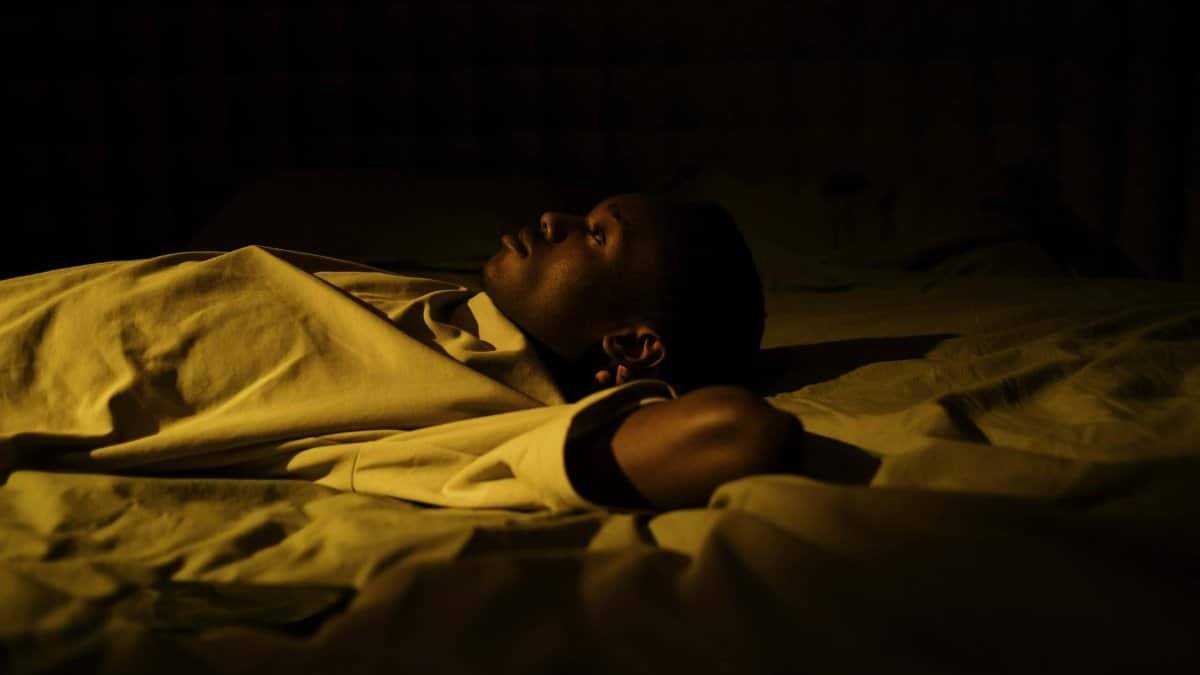
Insomniacs often struggle with racing minds and delayed sleep onset. Digital Sunset addresses this by enforcing a screen-free evening from the day’s earliest dark cue. Reports from January 2026 highlight its success where other hacks failed. Users experience faster sleep initiation and fewer night wakings. The routine’s simplicity—no complex tracking or supplements—makes adherence easy, leading to consistent gains in sleep quality.
Timing: The Sunset Trigger
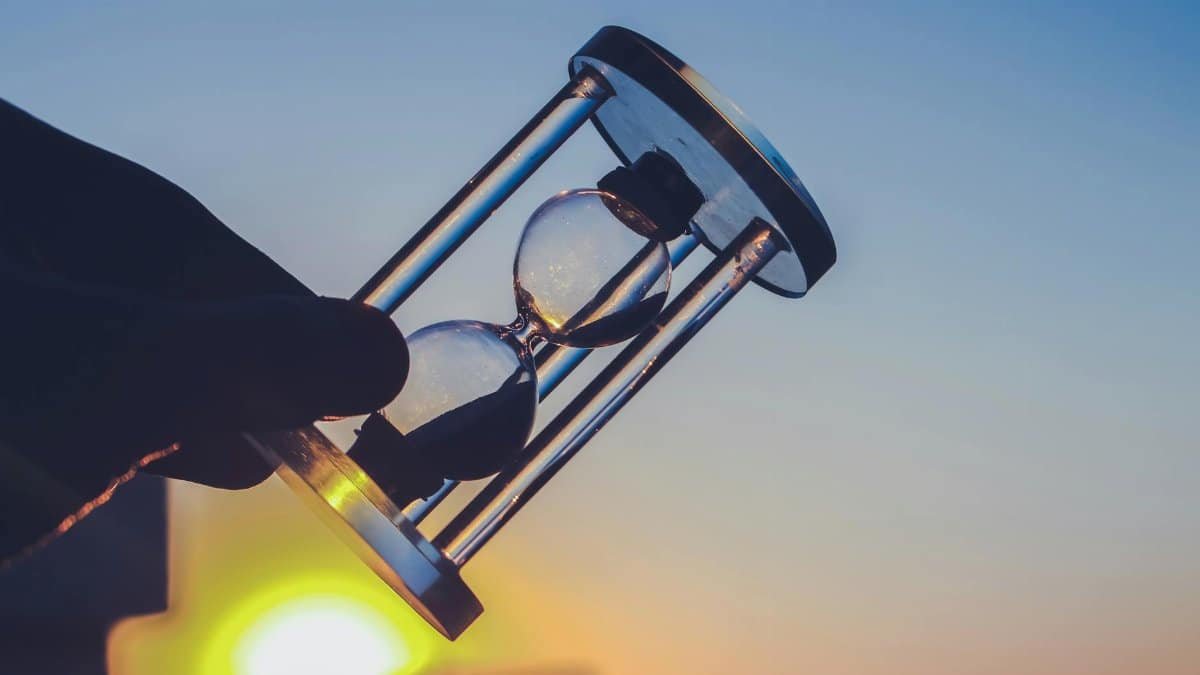
Precision matters. Digital Sunset activates the moment the sun sets, varying by location and season. In the U.S., this could mean 5 PM in winter or 8 PM in summer. Apps or weather tools provide exact local times, but the key is immediacy. Delaying even 30 minutes dilutes the effect, as residual blue light lingers in the system. This real-time alignment with solar cycles maximizes circadian benefits.
Practical Implementation

Starting Digital Sunset requires minimal setup. Identify sunset time daily. At that exact moment, switch off all devices. Opt for physical books, dim lamps, or candlelight alternatives that emit warmer hues. Prepare evening routines in advance: charge devices elsewhere, set auto-shutoffs if needed. For insomniacs, pair it with a consistent bedtime to amplify results. Within days, many notice improved drowsiness signals.
Real Results in 2026

By January 18, 2026, Digital Sunset had caught fire among sleep-deprived Americans. Insomniacs shared how the routine transformed erratic nights into reliable rest. Unlike fleeting trends, its foundation in natural light cycles ensures longevity. U.S. trends show growing awareness of screen impacts on health, with this hack leading the charge. Early 2026 data underscores its edge over tech-heavy solutions.
Overcoming Common Hurdles

Not everyone quits screens cold turkey easily. Evening work or social habits pose challenges, but insomniacs motivated by poor sleep push through. Start with partial enforcement, building to full compliance. Family buy-in helps; designate screen-free zones post-sunset. The payoff—restorative sleep—outweighs temporary FOMO. Persistent users in 2026 reports confirm the adjustment period is short.
Science Backing the Hack

Blue light’s interference with sleep is well-documented. The routine leverages this knowledge by enforcing total avoidance at dusk. Circadian biology demands darkness for melatonin production, which Digital Sunset delivers uncompromised. For insomniacs, this hack restores natural rhythms disrupted by 24/7 connectivity. Ongoing research supports such interventions as key to combating sleep disorders in modern society.
The Sleep Foundation details blue light’s effects: Sleep Foundation.
Beyond Insomnia: Wider Appeal
While insomniacs drive its buzz, Digital Sunset appeals broadly. Better sleep boosts mood, focus, and health. In 2026’s high-stress U.S. landscape, it offers a free, accessible tool. Families adopt it for kids’ bedtimes; professionals for recovery. As awareness spreads from January reports, expect mainstream integration. This sunset switch flips the script on digital overload, proving less screen time yields more rest.