
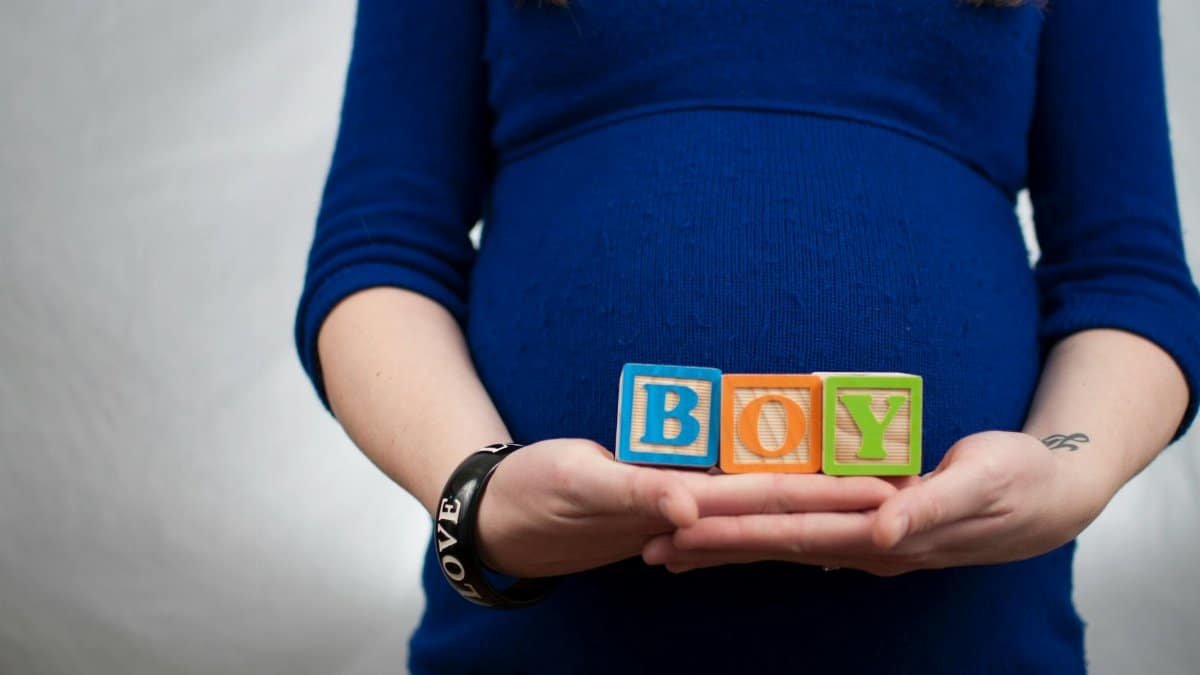
Stop calling yourself a “Boy Mom.” That’s the rallying cry in a viral parenting debate exploding across social media in 2026. Experts warn the label fosters toxic enmeshment with sons, blurring boundaries between mother and child. Mothers nationwide are ditching the term, sparking heated discussions on healthy attachment. As “boy mom toxic” trends, the pushback questions long-held parenting norms.
The Spark of the Viral Debate
A single directive—”Stop calling yourself a ‘Boy Mom'”—has ignited fury and reflection online. Posted on January 30, 2026, the statement quickly amassed shares, comments, and backlash. Parents, influencers, and therapists piled in, turning a niche label into a national conversation. The debate rages over whether celebrating “Boy Mom” pride crosses into unhealthy territory. Social platforms buzz with stories of over-involved moms and the fallout for sons. This isn’t just chatter; it’s a cultural reckoning on family roles.
Experts Sound the Alarm

Child psychologists and family therapists lead the charge. They claim the “Boy Mom” identity promotes toxic enmeshment—a dynamic where mothers and sons lose individual boundaries. Sons may struggle with independence, while moms tie self-worth to their boys. Experts point to patterns: excessive emotional reliance, reluctance to let go, and stifled growth. “The label normalizes fusion over fostering autonomy,” one therapist argued in viral threads. This view gains traction amid rising awareness of mental health in parenting.
Unpacking Toxic Enmeshment

Enmeshment thrives in blurred lines. Mothers who embrace “Boy Mom” status often share every milestone, emotion, and decision. Experts describe it as toxic when it hinders sons’ emotional development. Boys risk delayed maturity, difficulty forming peer bonds, or over-dependence on mom. The summary captures this perfectly: the label allegedly encourages such fusion. In 2026 U.S. households, where dual-income families juggle tight schedules, these dynamics intensify. Therapists urge separation to build resilience. For deeper insight, see Psychology Today’s family dynamics overview.
Social Media as Battleground

Platforms like TikTok, Instagram, and X amplify the clash. Hashtags like #BoyMomToxic surge, with videos dissecting real-life examples. One side defends the term as harmless pride in raising boys. The other highlights risks: sons entering manhood unequipped for relationships or self-reliance. The January 30 post acted as kindling, drawing millions of views. Debates spill into mom groups and podcasts, forcing users to confront their habits. In 2026, algorithms push polarizing content, keeping the fire alive.
Mothers Lead the Rebrand
Women once proud of the “Boy Mom” badge are rebranding fast. They swap it for neutral terms like “Parent” or “Mom of Boys,” signaling a shift toward balance. This movement rejects glorifying gender-specific parenting. Participants report lighter loads—no more identity wrapped in one child’s gender. The debate empowers moms to prioritize detachment, encouraging sons’ independence. Early adopters share testimonials of stronger family ties post-rebrand. It’s a grassroots pivot reshaping online communities.
Impacts on Sons’ Futures
The core concern: how “boy mom toxic” enmeshment affects boys long-term. Experts link it to challenges in adulthood—struggles with intimacy, career launches, or emotional regulation. Sons may view women through a maternal lens, complicating partnerships. In a 2026 landscape of evolving gender roles, healthy separation matters more. Therapists advocate modeling boundaries early. Families navigating this see sons thrive with space to explore. The debate underscores urgency: intervene now to prevent lasting patterns.
Signs You’re in Enmeshed Territory

Subtle cues emerge in the discourse. Constant texting, shared social circles, or moms finishing sons’ sentences flag issues. Experts note guilt-tripping over independence as a red flag. The “Boy Mom” label can mask these, framing them as devotion. Awareness spreads via threads dissecting daily life. Moms recognize patterns like over-scheduling boys’ lives around maternal needs. Spotting them prompts change, aligning with the viral call to drop the term.
Healthier Paths Forward

Alternatives abound in expert advice. Encourage sons’ hobbies, friendships, and solo decisions. Moms build identities beyond parenting—careers, friendships, self-care. Therapy sessions unpack enmeshment roots. Community support via rebrand groups fosters accountability. In 2026, apps and online courses target boundary-building. The shift promises empowered families: moms fulfilled, sons confident. For evidence-based strategies, consult the American Psychological Association’s parenting resources.
Cultural Shift in 2026 Parenting
This debate mirrors broader U.S. trends: scrutiny of performative parenting. Post-pandemic, mental health spotlights family health. “Boy Mom” joins scrutinized labels like helicopter parenting. Media coverage amplifies voices, pressuring influencers to evolve. Schools and workplaces echo calls for balanced child-rearing. By late 2026, expect policy talks on parental education. The viral storm proves labels wield power—time to wield them wisely.
The “Boy Mom” crisis forces a mirror on enmeshment. As debates rage, mothers rebrand for healthier bonds. Experts’ warnings resonate: drop the label, gain independence. In 2026, parenting pivots toward sustainability.