

Are you the eldest daughter? If so, you’re probably exhausted. On February 5, 2026, “Eldest Daughter Syndrome” exploded online as the viral diagnosis of the week. This term captures the heavy burden many eldest daughters carry: acting as the family’s default therapist. Social media buzz highlights how these women shoulder emotional labor, mediating conflicts and providing support, often at great personal cost. The trend underscores a growing recognition of invisible family roles pushing eldest daughters to burnout.
The Viral Explosion
Social platforms lit up this week with discussions on Eldest Daughter Syndrome. Posts rack up millions of views as women share stories of constant family demands. The phrase went viral fast, topping searches and memes. By February 5, 2026, it dominated feeds, drawing in eldest daughters who nodded in weary agreement. This isn’t just chatter—it’s a collective exhale from those long overlooked.
Defining the Burden
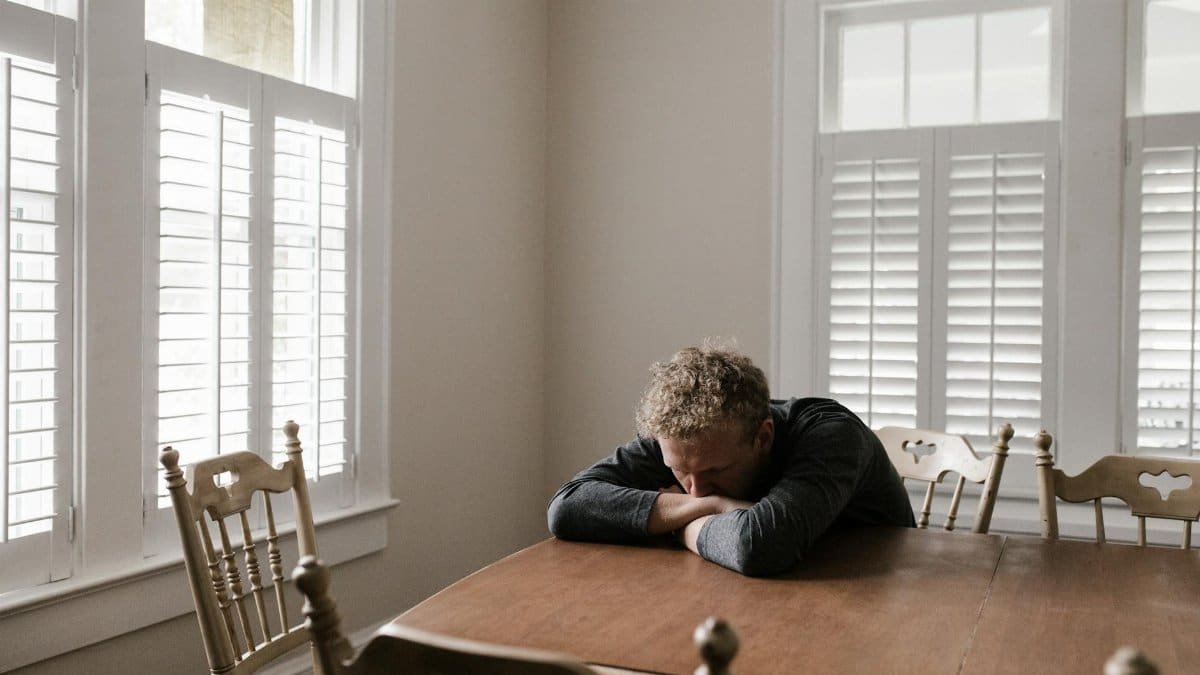
Eldest Daughter Syndrome names a specific strain: the expectation to serve as family therapist. Eldest daughters often step in to soothe tensions, offer advice, and hold space for everyone’s emotions. This role starts young and persists, turning them into unpaid counselors. The summary from early 2026 captures it bluntly—the weight exhausts. No formal medical term, yet it resonates deeply in everyday family dynamics.
Exhaustion as the Core Symptom

Fatigue defines the experience. Eldest daughters report constant drain from emotional heavy lifting. They’re up late counseling siblings, calming parents, resolving disputes. “You’re probably exhausted” hits home, as one viral post noted on February 5. This burnout builds over years, sapping energy for their own lives. U.S. women in this position describe a relentless cycle, mirroring trends in family psychology discussions. For deeper insight, see Psychology Today on Eldest Daughter Syndrome.
The Family Therapist Role
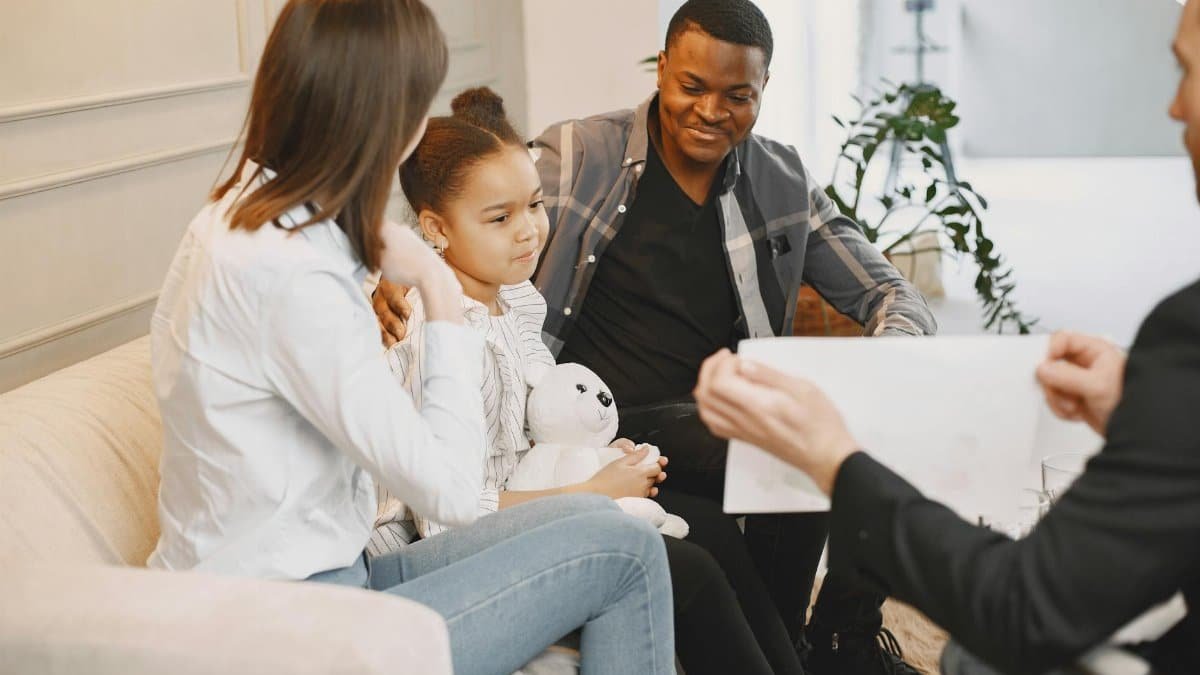
Why the therapist label? Eldest daughters absorb grievances, mediate fights, and maintain harmony. Parents lean on them for wisdom beyond their years. Siblings seek solace first from big sister. This pattern repeats across households, creating an unspoken job description. The viral diagnosis spotlights how this duty warps family balance, leaving the eldest depleted. In 2026, online communities amplify these tales, validating long-silent struggles.
Why It’s the Diagnosis of the Week

Timing fueled the surge. Early February 2026 saw a perfect storm: post-holiday family stress plus social media algorithms. Users tagged friends, sparking chains of recognition. “Eldest Daughter Syndrome” trended as women reclaimed the narrative. It’s not clinical, but it diagnoses a real ache. News outlets picked it up by February 5, cementing its spot as the week’s hot topic. This reflects broader U.S. conversations on gender and family roles.
Impacts on Eldest Daughters

The toll shows in daily life. Exhaustion leads to resentment, isolation, boundaries ignored. Eldest daughters juggle this with careers, relationships, self-care. The syndrome highlights how early patterns lock in. Viral shares reveal patterns: skipped hobbies, therapy for themselves, pleas for relief. In 2026 America, where family ties run deep, this resonates widely. Experts note similar dynamics in sibling research; explore more at Verywell Mind’s overview.
Social Media’s Role in Awareness

Platforms turned personal pain into public dialogue. TikToks and Threads break down the syndrome in seconds: skits of midnight calls, eye-roll montages. Hashtags surged past a million uses by week’s end. This visibility empowers eldest daughters to question norms. February 5 marked the peak, with influencers dissecting the “family therapist” trap. It’s shifted from whisper to roar, urging families to redistribute loads.
Family Dynamics Under Scrutiny
The trend probes deeper structures. Why eldest daughters? Birth order sets expectations—responsible, mature, reliable. Parents offload without noticing. Siblings benefit unwittingly. Eldest Daughter Syndrome calls this out, sparking debates on equity. In U.S. households, cultural emphasis on family duty amplifies it. The 2026 viral wave prompts reflection: is this sustainable? Women demand change, from shared chores to emotional reciprocity.
Looking at 2026 Trends
This year, mental health talks evolve fast. Eldest Daughter Syndrome fits into burnout culture, alongside quiet quitting and boundary-setting. February’s spotlight predicts staying power. Women report lighter loads after naming it. Families adjust, siblings step up. The diagnosis, though informal, drives real shifts. As U.S. journalists track it, expect more coverage on hidden labor. The exhaustion narrative endures, but so does the pushback.