
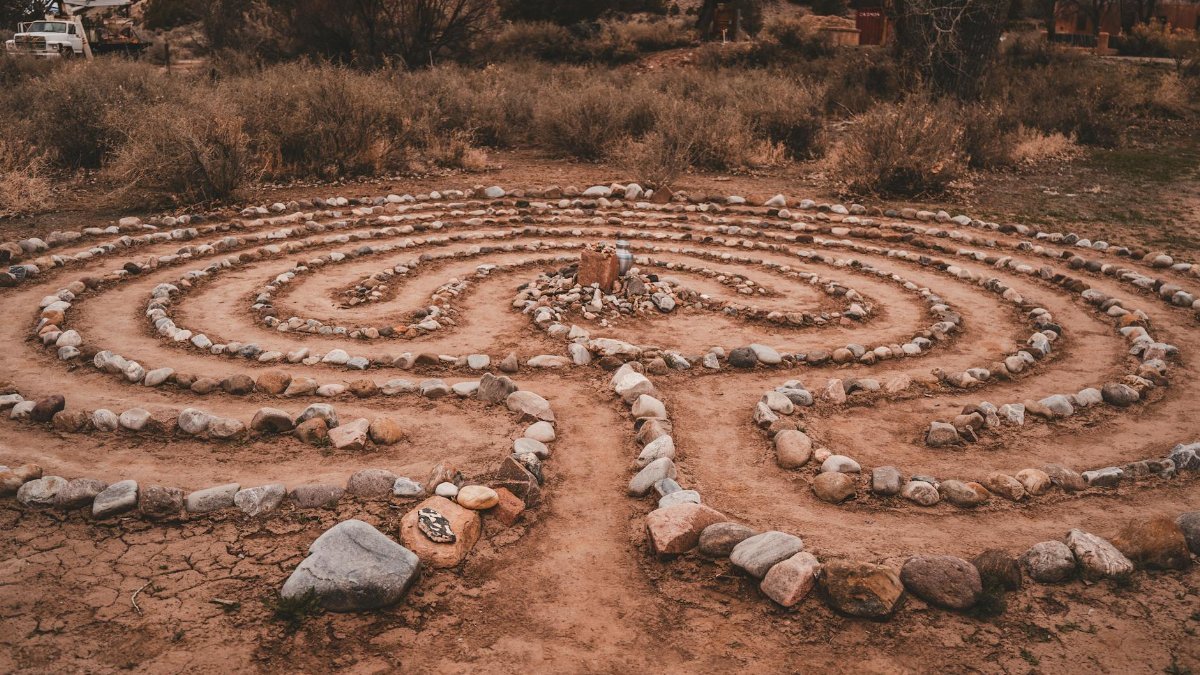
In the shadowed nave of Chartres Cathedral, under the weight of a recent loss, Ellen paused at the edge of the vast stone labyrinth etched into the floor. It was 2004, and her husband had died suddenly, leaving her adrift in a sea of unanswered questions. Drawn by whispers from fellow mourners, she began to walk the winding path, one deliberate step at a time. There were no dead ends, no frantic choices, just a single route that twisted inward toward a quiet center. Emerging hours later, something had shifted; the raw edges of her grief felt smoothed, if only slightly. This quiet ritual, known as labyrinth walking, has drawn seekers for centuries, offering a tangible way to navigate the intangible pain of bereavement.
Tracing Roots to Prehistoric Paths

Labyrinths predate written history, with the earliest known examples appearing as rock carvings in places like Spain’s Minoan sites or England’s Bronze Age turf mazes. Unlike the puzzle like mazes of myth—think the Minotaur’s lair—these were unicursal designs, meant for ritual procession rather than challenge. Ancient Cretans walked them during equinox ceremonies, while medieval Christians repurposed the form as a pilgrimage substitute for those unable to journey to Jerusalem. In times of communal sorrow, such as plagues or wars, villagers traced these paths on village greens, seeking solace amid uncertainty. Today, as grief counselors revive the practice, it echoes those primal responses to loss, providing a physical metaphor for the soul’s meandering journey through mourning.
Why Labyrinths Differ from Mazes in Healing
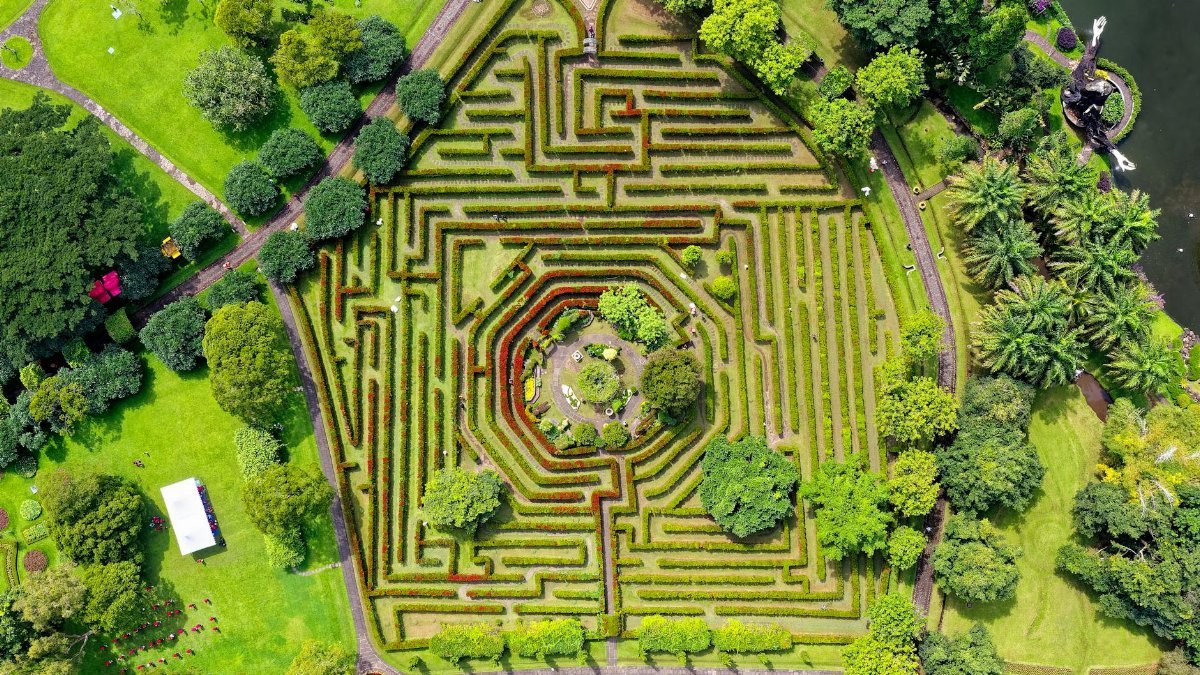
The distinction matters deeply for those in grief. Mazes branch with choices and potential frustration, mirroring the chaos of sudden loss. Labyrinths, by contrast, offer one continuous path: inward to reflection, outward to reintegration. This simplicity disarms the mind’s tendency to overthink, fostering what psychologists call “nonlinear thinking.” A 2018 study from the University of Sussex found that walking such patterns reduced cortisol levels by 20 percent more than straight line strolls, aiding emotional regulation ( link ). For grievers, this translates to a rare sense of control amid helplessness.
The Body in Motion: Steps Toward Stillness
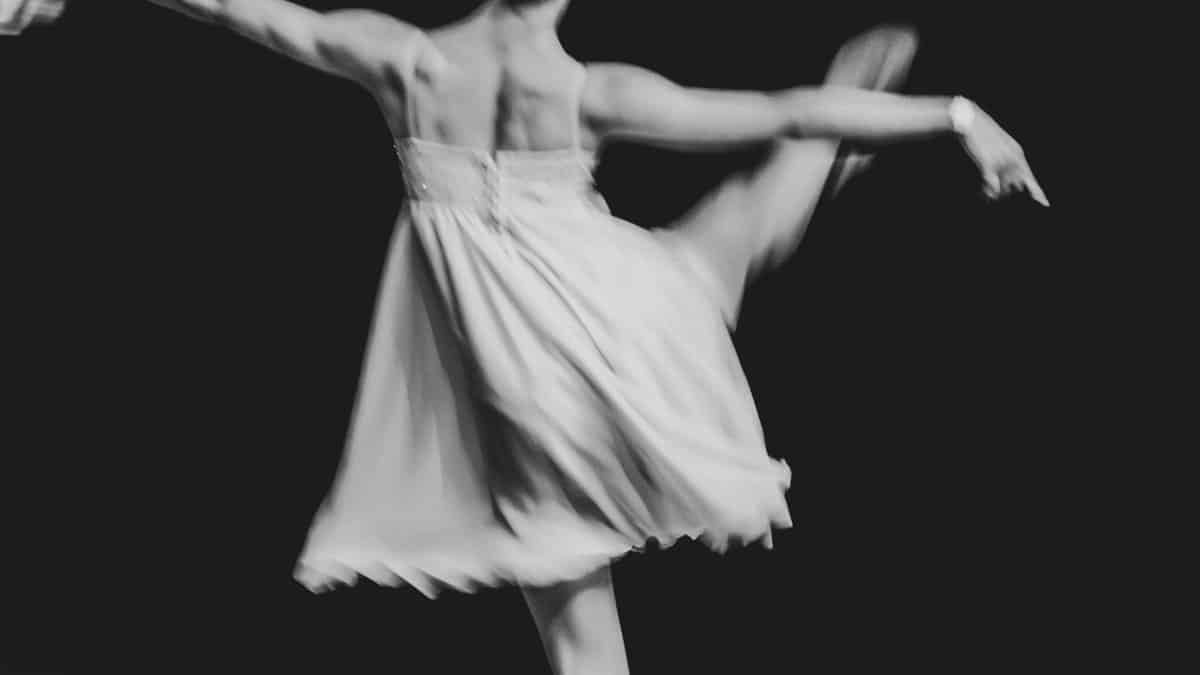
Labyrinth walking engages the body as much as the mind. Participants move at a snail’s pace—often three miles per hour or slower—focusing on footfalls amid deliberate turns. This kinesthetic focus quiets mental chatter, much like tai chi or yoga. Therapists note that the rhythm induces a light trance state, where grief’s sharp memories soften. At Grace Cathedral in San Francisco, weekly walks draw dozens processing personal losses, from parental deaths to divorces. “It’s meditation you can’t get wrong,” says chaplain Lauren Artress, who popularized modern labyrinth use. The physicality grounds abstract sorrow, turning it into something traversable.
Psychological Layers of the Inward Spiral

As walkers spiral toward the center, they confront layered emotions: anger at the periphery, bargaining midway, acceptance at the rosette core. The return path invites release, symbolizing life’s continuation. Grief expert David Kessler describes it as “a container for the uncontainable,” aligning with Kübler-Ross stages without forcing linearity. Research from the Labyrinth Society supports this, showing repeated walks correlate with lower PTSD symptoms in bereaved groups ( link ). It’s not therapy’s replacement but a complement, especially for those resistant to talk based interventions.
Voices from the Path: Real Stories of Transformation

Consider Maria, a Chicago teacher who lost her son to addiction in 2020. Traditional counseling felt sterile; labyrinth walking, discovered via a church retreat, allowed tears without judgment. “The turns mirrored my confusion,” she recalls. Similarly, veterans at Walter Reed use portable canvas labyrinths for combat loss, reporting deeper sleep post sessions. These anecdotes, echoed in forums like the Veriditas network, highlight communal power: group walks foster shared silence, reducing isolation. One widower in Oregon built a backyard labyrinth after his wife’s passing, hosting neighbors weekly—a grassroots revival amid rising loneliness epidemics.
A Pandemic Resurgence for Collective Mourning

Covid accelerated labyrinth walking’s appeal. With funerals curtailed, temporary installations popped up in parks from New York to Seattle. A 2022 survey by the International Labyrinth Association noted a 300 percent uptick in virtual and pop-up events, as people sought rituals for the 6 million global deaths ( link ). Online finger labyrinths—drawn on paper or apps—brought the practice home, ideal for quarantined grievers. This surge underscores its adaptability, blending ancient form with modern crises.
Making It Accessible: Beyond Stone and Grass
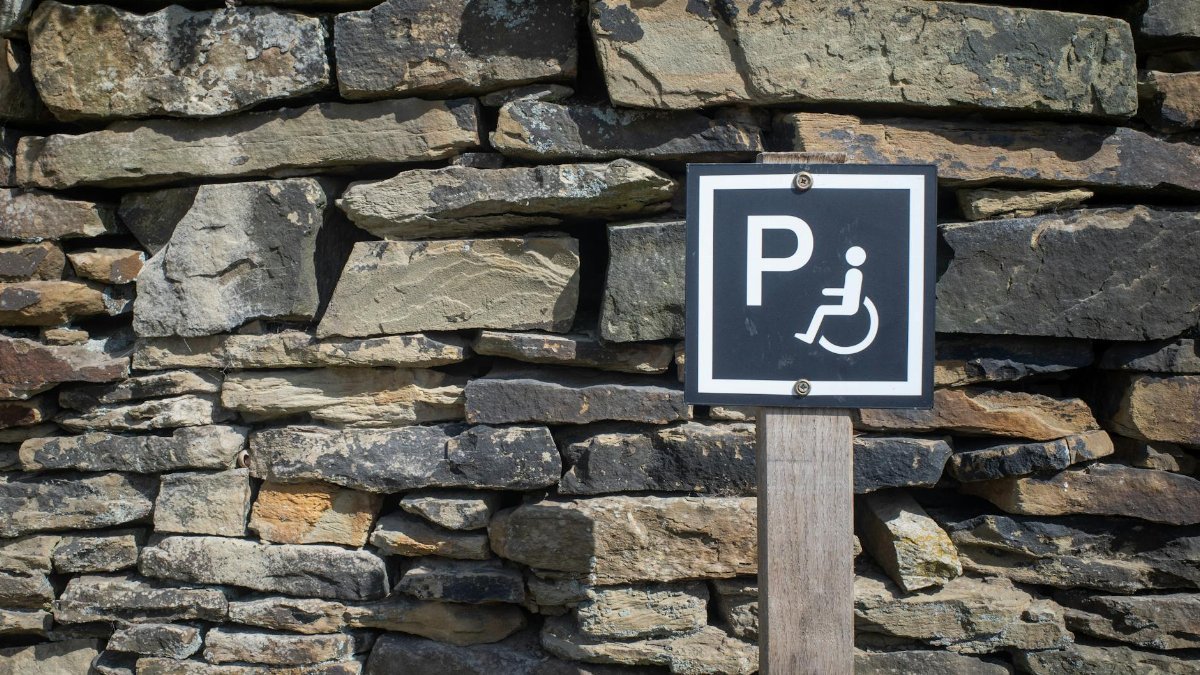
Not everyone can visit grand sites like France’s Chartres or Arizona’s red rock labyrinths. Finger labyrinths, traced with a stylus on wooden boards, fit therapy offices or bedside tables. Apps like Labyrinthos offer digital versions, syncing with breathwork for remote access. Public gardens in cities like Minneapolis host free paths year round. For mobility impaired individuals, “chair labyrinths” use projected lights. These innovations democratize the practice, ensuring labyrinth walking reaches urban apartments or rural cabins alike.
Pairing with Therapy: A Synergistic Approach

Clinicians increasingly prescribe labyrinth walking alongside cognitive behavioral therapy. At California’s Canyon Ranch, it’s woven into bereavement retreats, with pre and post walk journaling. Studies from Loyola University Chicago show combined protocols cut depression scores by 35 percent in widows ( link ). Counselors appreciate its nonverbal entry point for alexithymic clients—those struggling to articulate pain. It’s a bridge, not a bypass, enhancing talk therapy’s depth.
Crafting Your Own Sacred Space

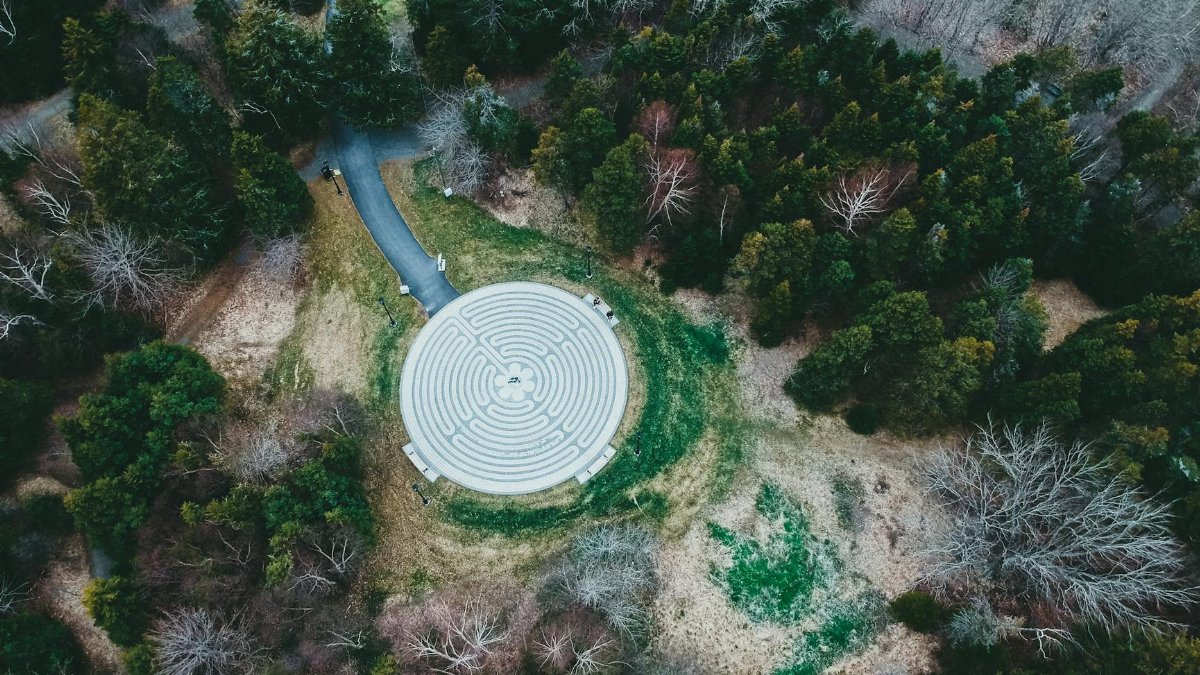
Building a labyrinth requires minimal tools: flour for outlines on lawns, rope for gardens, or masking tape for floors. Classical seven circuit designs suit beginners, measuring 30 feet across. Resources from the Labyrinth Locator website guide layouts, stressing intention setting beforehand. Many report profound shifts from personal creations, as the act of making becomes part of grieving. In suburbs nationwide, backyards now hold these quiet altars, personalizing ancient wisdom.
Looking Ahead: Labyrinths in a Fragmented World
As mental health waits lengthen and spiritual voids widen, labyrinth walking positions itself as a low cost antidote. Hospitals experiment with bedside versions for terminal patients’ families; corporations trial them for employee wellness amid burnout. Skeptics question its efficacy sans data, yet anecdotal and emerging neuroscientific evidence builds a case. In an era of quick fixes, this slow art reminds us that healing, like the path itself, unfolds one turn at a time. For those carrying grief’s quiet load, it offers not erasure, but companionship.By Natasha Weber