

In the sprawling suburbs of Austin, Texas, something subtle is shifting. People are ditching the chaos of endless to-do lists for structured daily habits that foster calm. A recent study from the Pew Research Center found that 68% of Americans now prioritize mental wellness routines, up from 45% just five years ago, with Southern states like Texas leading the charge. This surge reflects a broader cultural trend where folks are seeking ways to build inner ease amid relentless demands. It’s not about escaping life but embedding simplicity into it. From morning walks along the Colorado River to evening reflections in quiet backyards, these clear routines are becoming a quiet revolution, helping middle-aged Texans navigate midlife stresses with newfound grace. The appeal lies in their accessibility, turning ordinary days into anchors of stability.
The Roots of Inner Ease in Texas Culture

Texas has long prided itself on resilience. Think of the cowboys who tamed vast landscapes or the oil workers who endured boom-and-bust cycles. Today, that same spirit informs how locals approach building inner ease. It’s less about rugged individualism and more about practical rituals that ground the mind. One Houston resident, anonymized here, shared in an online forum how starting her day with a simple coffee ritual transformed her outlook. “It’s like resetting the clock,” she noted, echoing a sentiment many express. This ties into broader wellness movements, where routines act as buffers against burnout.
Experts point to historical precedents. In the early 20th century, ranch life demanded disciplined schedules for survival. Fast-forward to now, and urban Texans adapt those rhythms to modern pressures. A report from the Centers for Disease Control and Prevention (CDC) highlights how structured habits reduce anxiety levels, particularly in high-stress regions like the Lone Star State. Yet, it’s not all smooth sailing. Some find the discipline daunting at first, revealing tensions between freedom-loving Texan ethos and the need for order.
Consider a group in Dallas who gathers weekly for mindfulness walks. Their stories illustrate how these practices weave into daily life, creating pockets of peace amid traffic and deadlines.
Defining Clear Routines for Lasting Calm
What makes a routine “clear”? It boils down to intention and simplicity. No elaborate setups required. Start small: a five-minute breathing exercise upon waking. This clarity cuts through mental fog, allowing ease to emerge naturally. In Texas, where days can stretch hot and long, such routines offer respite. A study published in the Journal of Positive Psychology, accessible via the American Psychological Association’s journal page, shows that consistent habits boost emotional regulation by 25% over time.
But here’s where it gets interesting. Not every routine fits everyone. One person’s journaling might be another’s meditation. The key is personalization, drawing from local flavors like incorporating Tex-Mex breakfast prep as a mindful act. This variety keeps things fresh, preventing routines from becoming rote chores.
Imagine a Fort Worth teacher who swapped chaotic mornings for a structured checklist. Her energy levels soared, and so did her sense of control. These snapshots reveal how clear routines aren’t rigid rules but flexible frameworks for inner ease.
Overcoming Common Hurdles in Building Habits

Let’s face it, starting is tough. Distractions abound, from smartphone pings to family demands. In bustling Texas cities like San Antonio, where work commutes eat hours, finding time feels impossible. Yet, persistence pays off. Begin by identifying barriers. Is it procrastination? Try accountability partners, a tactic gaining traction in local wellness groups.
Anecdotes abound. Picture a middle-aged engineer in El Paso who battled insomnia until he established an evening wind-down ritual. “It was like flipping a switch,” he recalled. Research from the National Institutes of Health (NIH) supports this, linking routine disruptions to heightened stress hormones. The study underscores how small adjustments can realign our internal clocks.
Still, resistance lingers. Some view routines as constraints on spontaneity, a valid concern in a state that celebrates wide-open spaces. Balancing structure with flexibility becomes the art, turning potential pitfalls into stepping stones for deeper ease.
The Science Behind Routines and Mental Wellness

Dive into the brain science, and it all makes sense. Routines build neural pathways that promote calm. Dopamine releases during habitual actions, reinforcing positive feelings. In Texas, where heat waves test tempers, these mechanisms provide real relief. A comprehensive review from Harvard Medical School, detailed on their mind and mood health page, explains how daily practices lower cortisol, the stress hormone, by up to 20%.
But science isn’t just stats. It informs real change. Consider how circadian rhythms align with routines, enhancing sleep quality. Texans adapting to early sunrises find morning rituals particularly potent. This isn’t abstract; it’s actionable insight that demystifies why building inner ease through routines works.
Of course, not all research agrees perfectly. Some studies note individual variances, adding nuance to the conversation. Yet, the overarching evidence points to routines as reliable tools for resilience.
Texas-Specific Practices That Foster Ease

Local flavor matters. In the Hill Country, routines often involve nature hikes, blending physical movement with mental clarity. Austin’s tech crowd favors app-guided meditations, merging innovation with tradition. These adaptations make building inner ease feel authentically Texan.
One compelling example: community barbecues turned into reflective gatherings. Participants share stories over brisket, fostering connection. It’s a far cry from solitary practices, yet equally effective. Data from Pew’s ongoing surveys on American life, available at Pew Research Center’s mental health page, indicates social routines amplify benefits, especially in communal states like Texas.
Variety keeps it engaging. From yoga in Galveston beaches to journaling in Amarillo cafes, the options reflect the state’s diversity. This regional twist ensures routines resonate, making inner ease more attainable.
Integrating Routines into Busy Midlife Schedules
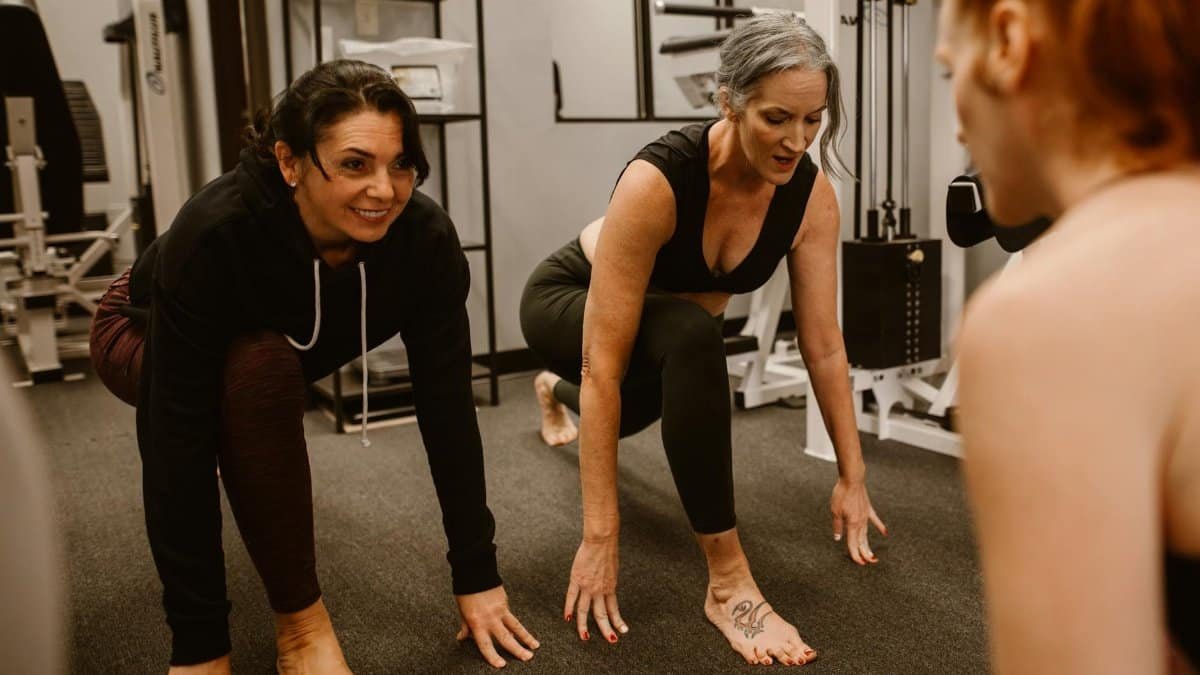
Middle age brings unique challenges: careers peak, kids grow independent, health concerns emerge. In Texas, where many juggle oil jobs or ranch duties, fitting in routines requires creativity. Stack habits, like combining exercise with podcasts on resilience.
A San Antonio parent described layering family dinners with gratitude sharing. It built bonds while nurturing personal ease. Such integrations prevent overwhelm, turning routines into seamless life enhancements.
Timing is crucial. Early mornings suit some, evenings others. Flexibility avoids burnout, a risk highlighted in wellness literature. By 2025, as work-life boundaries blur further, these strategies will prove even more vital for sustaining inner calm.
Measuring Progress and Adjusting for Success

How do you know it’s working? Track subtle shifts: better sleep, fewer worries. Journals help, providing tangible records. In Texas support groups, members swap progress stories, normalizing the ups and downs.
Adjust as needed. If a routine stalls, tweak it. Research from the American Psychological Association’s resilience resources emphasizes adaptability, showing flexible approaches yield longer-term gains.
One anonymous online account detailed pivoting from rigid schedules to intuitive ones, unlocking deeper ease. This iterative process turns building inner ease into an evolving journey, not a fixed destination.
The Broader Impact on Communities and Relationships

Routines ripple outward. Families in Texas notice stronger ties when shared habits form. Neighborhoods thrive as individuals carry calmer energies into interactions. It’s a collective uplift, countering isolation trends.
Think of volunteer groups in Lubbock incorporating ease-building breaks into meetings. Productivity rises, morale soars. Broader studies, like those from the NIH’s community health initiatives at National Institute of Mental Health’s anxiety page, link personal wellness to societal benefits.
Yet, challenges persist. Not everyone buys in, creating divides. Navigating these requires empathy, ensuring routines enhance rather than exclude. In the end, building inner ease strengthens the social fabric, one clear routine at a time.
Sustaining Inner Ease Through Life’s Changes

Life throws curveballs: job losses, health scares. In resilient Texas fashion, routines provide anchors. Adapt them during transitions, like shortening sessions during crises.
A retiree in Corpus Christi revamped his habits post-relocation, finding solace in beach walks. Such stories highlight endurance. As 2025 brings economic shifts, these tools will be indispensable.
Ultimately, the practice evolves. What starts as effort becomes instinct, embedding ease deeply. It’s a testament to human adaptability, rooted in simple, clear routines.