
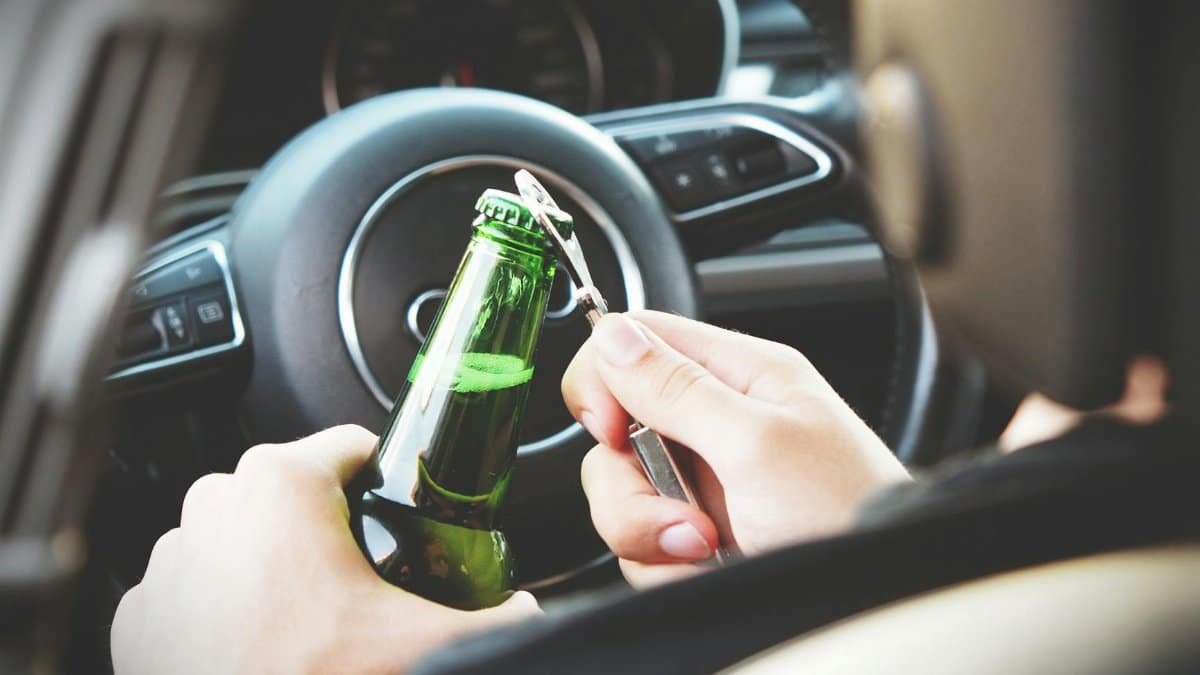
Do Tennesseans want their beer served warm? A proposed bill dubbed the Tennessee cold beer ban has residents fuming, with outrage boiling over a plan to outlaw chilled brews in convenience stores. Dated February 14, 2026, the measure aims to slash drunk driving numbers but critics slam it as misguided. Beer lovers argue it won’t touch road safety while upending daily habits. The push highlights tensions between public health goals and personal freedoms in the Volunteer State.
The Spark of Controversy
Tennessee lawmakers have ignited a firestorm with a bill targeting how beer is sold. On February 14, 2026, details emerged of the proposal to ban cold beer sales specifically in convenience stores. No more grabbing an ice-cold six-pack on the go. Instead, brews would sit at room temperature, a change that has locals decrying government overreach. The idea stems from a desire to curb drunk driving, but early reactions paint it as a blunt instrument unlikely to hit its mark.
Outrage from Everyday Tennesseans
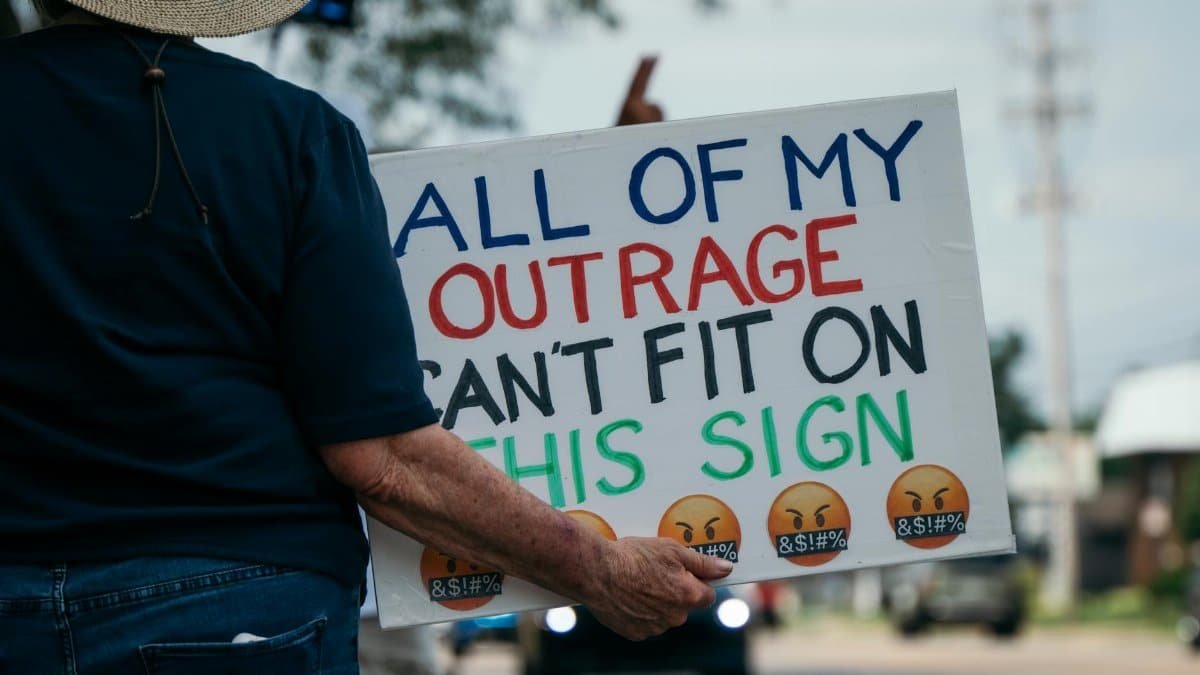
Residents are voicing sharp anger across the state. Social media and talk radio buzz with complaints about warm beer ruining the convenience store ritual. “Do you like your beer warm?” has become a rallying cry, echoing the bill’s announcement. Families, workers, and weekend warriors see the Tennessee cold beer ban as an insult to common sense. Many fear it signals more nanny-state rules, eroding small pleasures amid serious issues like traffic fatalities.
Focus on Convenience Stores
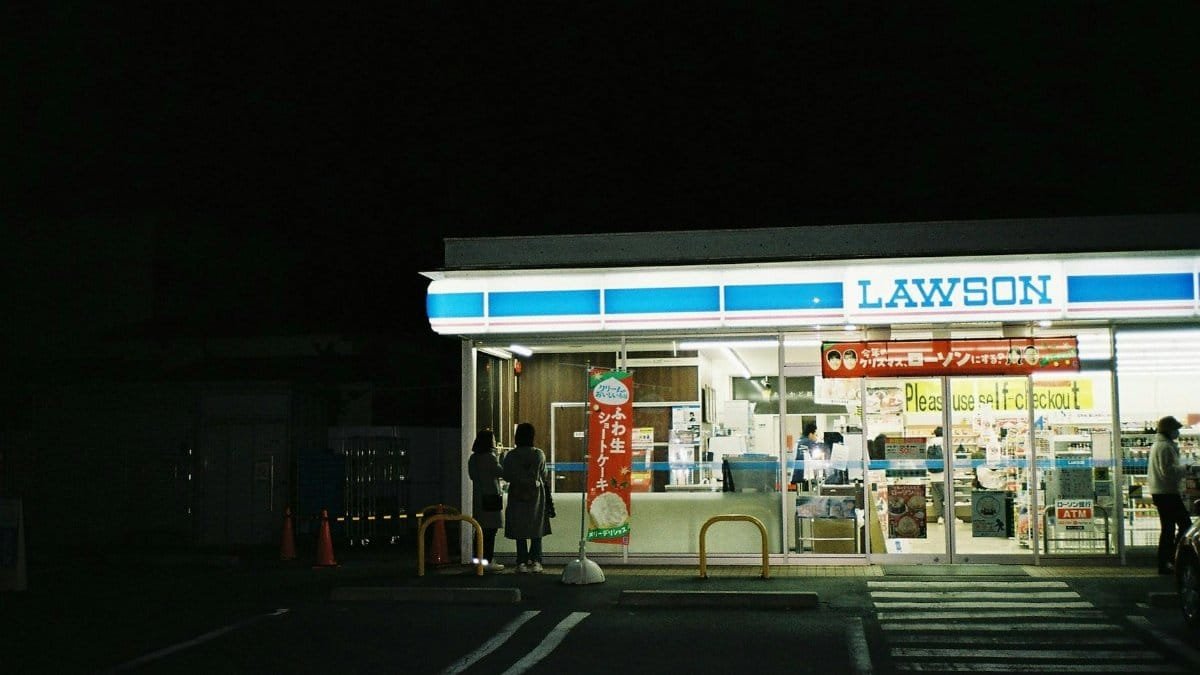
Why convenience stores? These spots dominate quick beer buys in Tennessee, often right off highways. The bill zeros in here, sparing supermarkets and liquor stores from the chill ban. Proponents likely view gas station grabs as impulse buys fueling drunk drivers. Yet opponents counter that room-temperature shelves won’t deter anyone determined to drink and drive. The targeted approach amplifies the backlash, as it disrupts the most accessible outlets without broader reforms.
Aimed at Drunk Driving Stats
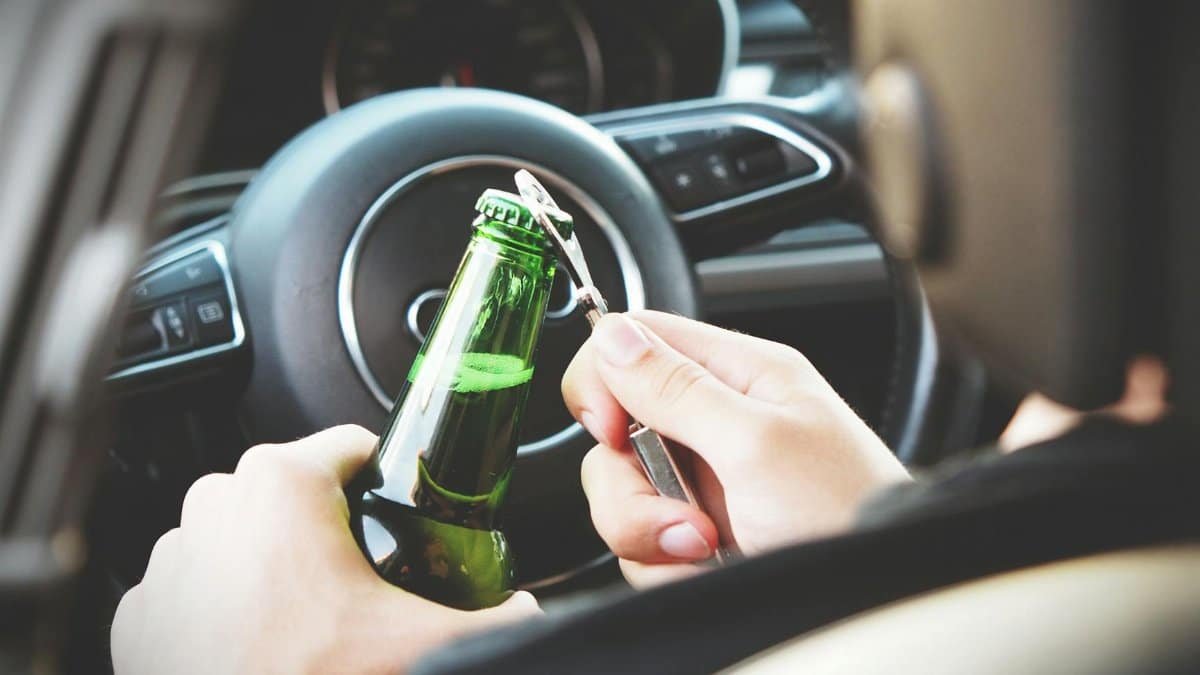
At its core, the legislation seeks to trim drunk driving figures. Lawmakers bet that warmer beer slows consumption, giving second thoughts before hitting the road. Tennessee, like much of the U.S., grapples with impaired driving deaths annually. For context, the National Highway Traffic Safety Administration tracks thousands of such fatalities nationwide. But skeptics question if temperature tweaks move the needle, calling the Tennessee cold beer ban a symbolic gesture over substance.
Why Critics Call It Misguided

The pushback labels the bill fundamentally flawed. Warm beer might taste flat, but does it prevent keys from turning? Experts in alcohol policy note education, enforcement, and alternatives like rideshares pack more punch. Residents echo this, arguing the ban ignores root causes such as over-serving or repeat offenders. In 2026, with apps and awareness campaigns thriving, many see cold beer restrictions as outdated and ineffective. The outrage underscores a divide: good intentions versus practical impact.
Potential Ripple Effects

If passed, the Tennessee cold beer ban could reshape retail. Convenience store owners face cooler overhauls or lost sales, pushing customers elsewhere. Smaller chains might suffer most, while big grocers gain. Beer brands could market “room-temp ready” packs, but tradition dies hard in the South. Drunk driving stats might dip—or not—prompting future tweaks. Broader alcohol laws, from hours to IDs, loom in discussions, with this bill as a flashpoint for 2026 policy debates.
Public Health vs. Personal Choice

Tennessee’s debate pits safety against liberty. Drunk driving remains a killer, with the Centers for Disease Control and Prevention highlighting its toll on communities. Yet mandating warm beer feels like overkill to many. Residents demand data proving the link between chill and crashes. The bill’s February 14 rollout has amplified calls for hearings, where outrage could sway votes or force amendments.
What’s Next for the Bill
Lawmakers face mounting pressure as the Tennessee cold beer ban gains notoriety. Will it advance, stall, or morph? Public fury suggests amendments, like exemptions or pilots. In a state proud of its brews—from Nashville honky-tonks to tailgates—this proposal tests political will. By late 2026, outcomes could redefine convenience store culture or fizzle amid ridicule. For now, the outrage endures, a warm reminder of clashing priorities.