
San Francisco’s extreme “dopamine fasting” trend—eschewing phones, music, and even eye contact for 24 hours of pure boredom—has crossed the country to Hollywood. Tech innovators pioneered this brain “reboot” ritual, and now stars echo their claims of refreshed minds after total sensory deprivation. Datelined January 22, 2026, from the Bay Area, the practice spotlights Silicon Valley’s relentless quest for mental optimization amid digital overload.
Silicon Valley’s Biohacking Frontier
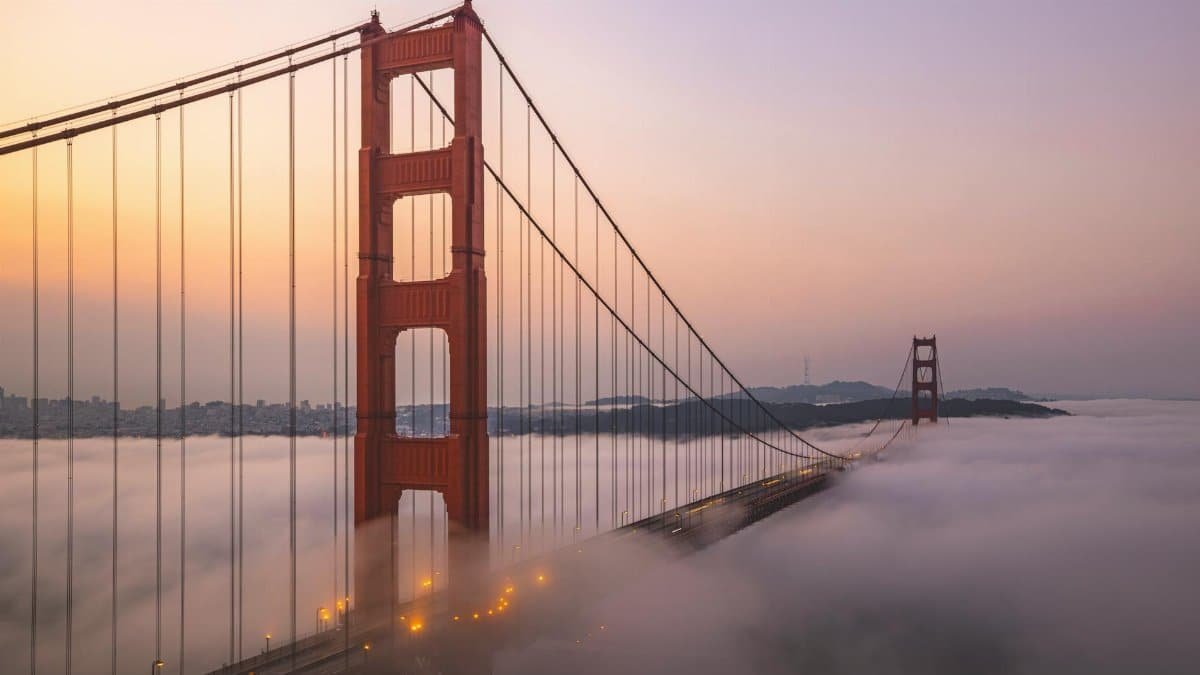
Silicon Valley has long been a hotbed for unconventional self-improvement tactics. Dopamine fasting emerged as the latest extreme measure in this culture of optimization. Tech professionals, burned out from constant stimulation, turned to this 24-hour detox. The goal: reset overstimulation by embracing boredom. No phones, no music, no eye contact—the rules demand complete withdrawal from dopamine-spiking activities. This trend underscores the Bay Area’s influence on wellness fads, pushing boundaries in pursuit of sharper focus and mental clarity.
Defining Dopamine Fasting
At its core, dopamine fasting involves a full day of intentional dullness. Participants shun all pleasurable inputs: smartphones stay off, headphones gather dust, and social interactions minimize to avoid eye contact. The idea is to starve the brain’s reward system, allowing it to recalibrate. Originating in San Francisco, this practice gained traction among tech elites seeking relief from their hyper-connected lives. By January 2026, it had solidified as a hallmark of Silicon Valley’s biohacking scene.
The Strict No-Frills Rules
Adherents follow rigid guidelines to maximize the fast. Smartphones are powered down entirely—no scrolling, no notifications. Music and podcasts are forbidden, silencing auditory distractions. Eye contact is avoided to prevent even fleeting social highs. The result is 24 hours of unadulterated boredom, forcing the mind to confront its dependence on external stimuli. This Spartan approach, datelined from San Francisco on January 22, 2026, highlights the trend’s uncompromising nature.
For deeper context on dopamine dynamics, see Harvard Health’s analysis of related concepts: Harvard Health Publishing.
From Bay Area to Hollywood Lights
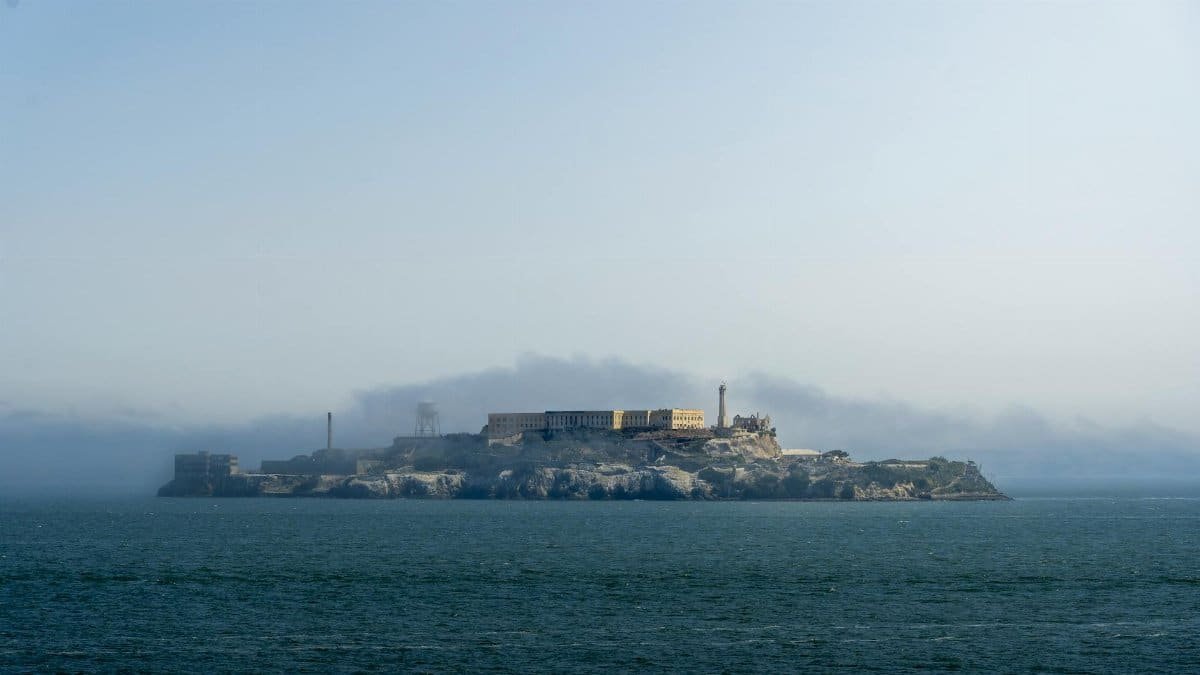
The trend’s migration to Hollywood marks a pivotal expansion. What started as a Silicon Valley experiment has captivated Tinseltown stars. By early 2026, celebrity endorsements propelled dopamine fasting into mainstream buzz. The city’s high-pressure environment mirrors tech’s intensity, making the practice a natural fit. Reports from San Francisco confirm the crossover, with Hollywood now embracing the full 24-hour protocol.
Stars Champion the Brain Reboot
Hollywood elites are vocal about the benefits. They describe the fast as a vital reboot for “fried brains” overwhelmed by fame’s glare and social media frenzy. After enduring boredom, participants report renewed mental energy and focus. This echoes Silicon Valley testimonials, where tech workers credit the detox for productivity gains. The shared narrative positions dopamine fasting as a universal fix for overstimulation in 2026’s fast-paced world.
Cultural Shift in Wellness Trends
Dopamine fasting reflects broader 2026 wellness evolutions. Silicon Valley’s export to Hollywood signals its staying power. Both hubs grapple with digital saturation—endless apps, feeds, and interactions frying neural circuits. The trend’s appeal lies in its simplicity: one day of nothing yields profound reset. As San Francisco reports indicate, this extreme measure is reshaping how elites tackle burnout.
Time magazine covered the initial rise of such fasting practices: TIME.
Challenges of Total Sensory Shutdown
Embracing 24 hours without stimulation tests resolve. No phone means no quick dopamine hits from likes or messages. Silence replaces music’s comfort, and averted gazes heighten isolation. Yet proponents insist this discomfort is the point—confronting boredom rebuilds tolerance for mundane tasks. Hollywood stars, like their Silicon Valley counterparts, tout the post-fast clarity as worth the ordeal.
Implications for Mental Reset in 2026
In an era of constant connectivity, dopamine fasting offers a counterpunch. San Francisco’s January 22, 2026, dispatch captures its momentum. Tech billionaires and Hollywood A-listers alike swear by the boredom cure. As the practice spreads, it challenges norms of productivity tied to stimulation. Participants emerge claiming sharper minds, free from digital fog. This trend may redefine self-care for high-achievers nationwide.
Why It’s Resonating Now
The timing aligns with peak burnout reports across industries. Silicon Valley’s innovators, facing innovation fatigue, birthed the fast. Hollywood, dealing with relentless scrutiny, adopted it swiftly. No eye contact, no tunes, no tech—24 hours later, brains feel rebooted. This cross-coast adoption, confirmed from California, positions dopamine fasting as 2026’s breakout ritual for mental resilience.