
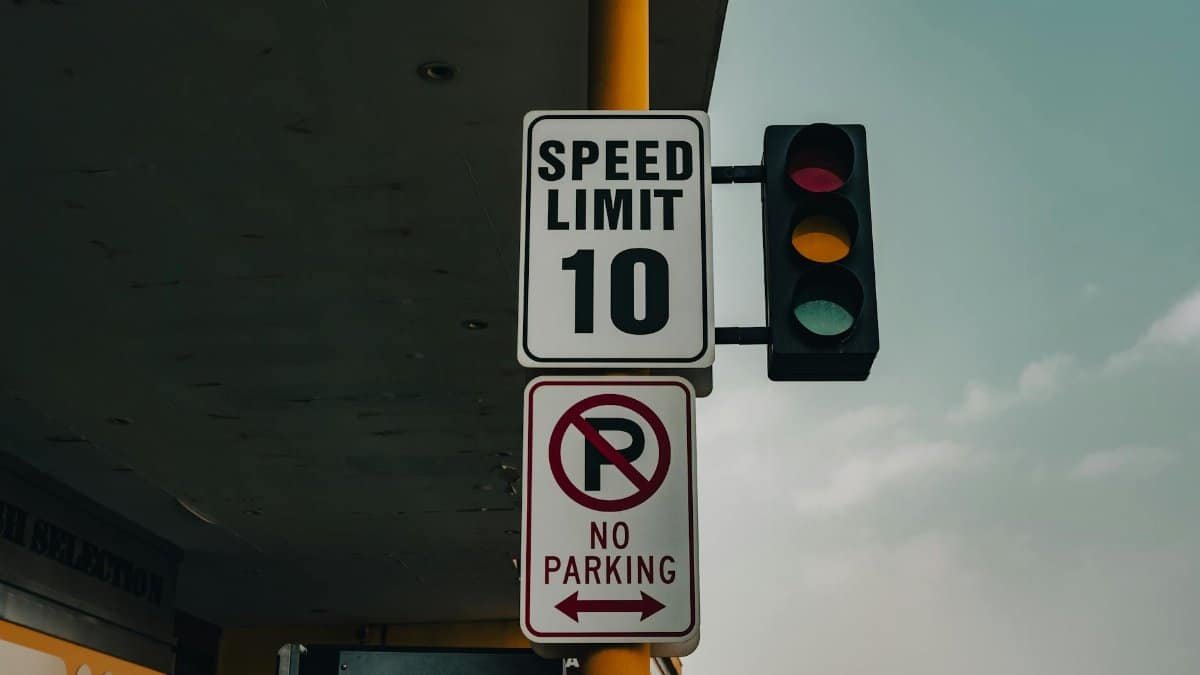
Imagine rushing through a Target store on a hectic Saturday, your cart piled with a week’s worth of groceries, paper towels, and that impulse buy of holiday decorations. You spot the self-checkout lanes, a beacon of efficiency amid the weekend crowds. But as you approach, a stark message appears on the screen: only 10 items allowed. This is the new reality of the Target self-checkout limit, a policy rolled out quietly in many locations to curb rampant theft and streamline operations. What began as a convenience has morphed into a flashpoint for shopper frustration, raising questions about the future of retail friction in an era of shrinking margins and rising crime.
The Genesis of Self-Checkout Constraints

Self-checkout kiosks promised liberation from long lines and small talk with cashiers. Introduced widely in the early 2000s, they proliferated as retailers chased labor savings and faster throughput. Target, like Walmart and Kroger before it, embraced the technology aggressively. Yet cracks emerged quickly. Shoplifting surged, with thieves exploiting the lack of human oversight to skip scans or swap high-value items. Inventory shrinkage, industry parlance for losses from theft and errors, ballooned. A 2023 National Retail Federation survey pegged annual U.S. retail theft at $112 billion, much of it at self-checkout. Target’s response crystallized in the self-checkout limit, capping express lanes at 10 items to deter bulk hauls ripe for abuse.
Unveiling Target’s 10-Item Rule

The policy varies by store but generally enforces a hard 10-item ceiling at self-checkout. Signs post the rule prominently, and screens halt transactions exceeding it. Employees direct overflow shoppers to manned registers. Rollout accelerated this fall, following pilots in high-theft urban markets. According to a CBS News report, the move addresses “sweethearting,” where accomplices under-scan pricey goods.Target has not issued a corporate statement, but store managers cite internal data showing immediate shrinkage drops. For families or bulk buyers, the target self-checkout limit disrupts routines built around one-stop efficiency.
Shopper Stories from the Checkout Trenches

Online forums buzz with indignation. A Reddit thread titled “Target’s 10-item self-checkout BS” garnered thousands of upvotes, with users sharing tales of abandoned carts and doubled trip times. One mother of three vented about unloading 15 grocery items only to repack and hunt for a cashier amid a 20-minute wait. Social media amplifies the retail rage: TikTok videos mock the policy with dramatic reenactments, hashtagged #TargetFail. Yet some defend it, recounting witnessed thefts where scanners beeped ignored for bottles of liquor. This divide underscores a core tension: individual convenience versus collective security.
Economics of Theft in the Self-Checkout Era
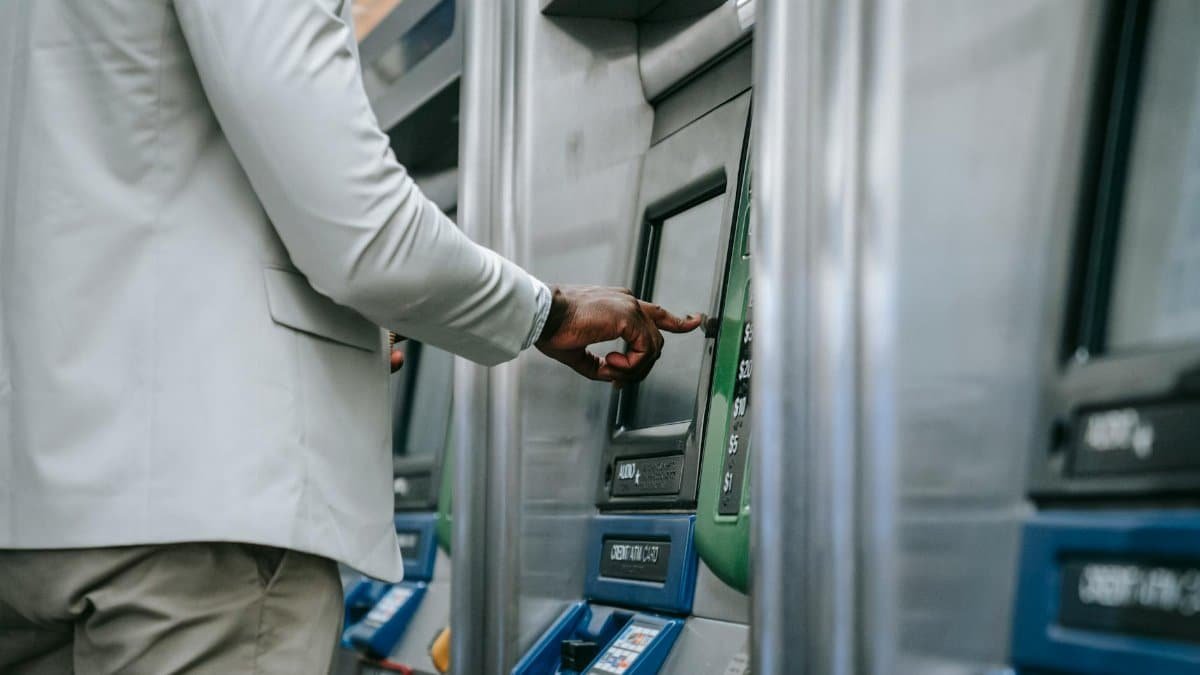
Retailers face a perfect storm. Labor shortages post-pandemic inflated cashier wages, making self-checkout essential. But theft spiked 20 percent from 2021 to 2022, per Jack L. Hayes International. Organized rings target high-volume stores like Target, using self-checkout for “sliding” unscanned meat or electronics. The target self-checkout limit acts as a simple deterrent, forcing larger transactions under watchful eyes. Analysts estimate it could save Target millions annually, offsetting the $1.5 billion in company-wide shrinkage reported in its latest earnings. Still, customer churn looms if frustration festers.
Navigating the New Checkout Landscape

In practice, the policy reshapes store flow. Dedicated “10 items or less” signs guide small baskets to kiosks, while full carts veer to traditional lanes. Some Targets experiment with hybrid models, reserving premium self-checkout for loyalty members. Shoppers adapt creatively: splitting hauls into multiple 10-item runs or opting for curbside pickup, which bypasses the limit entirely. Apps now remind users of the rule pre-shopping. For the uninitiated, violations trigger polite but firm employee interventions, diffusing potential blowups.
Competitor Strategies in the Spotlight

Target isn’t alone. Walmart imposed similar caps years ago, starting at 10 then easing to 20 in low-risk stores. Costco sticks to manned checkouts for bulk buyers, while Aldi thrives on scant self-service. Amazon Go’s cashierless vision falters at scale, reverting to hybrids. Kroger tests AI surveillance to relax limits without chaos. These peers validate Target’s caution, but also highlight innovation gaps. As the target self-checkout limit beds in, rivals watch for defection spikes, ready to lure aggrieved shoppers with laxer policies.
Voices from Retail Workers

Frontline employees offer unvarnished views. A veteran Target cashier in Chicago told local reporters the limit slashed her intervention calls by half, freeing time for restocking. “Theft was out of control; people walked with carts unpaid,” she said. Union reps at other chains worry it shifts theft risk back to customers, fostering paranoia. Surveillance cameras, already ubiquitous, now pair with the limit for layered defense. Workers appreciate the buffer, though they brace for peak-hour crushes at manned lanes.
Psychological Toll of Checkout Constraints
Beyond logistics, the policy stirs deeper currents. Psychologists note “checkout rage” mirrors road rage, triggered by perceived unfairness in controlled spaces. The abrupt halt mid-scan evokes scarcity mindset, priming arguments. For time-strapped middle-class families, it symbolizes eroding retail trust. Positive spins emerge: slower pacing encourages mindfulness, turning shopping into deliberate ritual over frantic grab. In a culture of instant gratification, the target self-checkout limit subtly retrains habits, for better or worse.
Broader Implications for Retail’s Future
This isn’t a blip but a harbinger. As e-commerce dominance wanes post-boom, brick-and-mortar fights for relevance with frictionless promises. Yet security trumps speed when losses threaten viability. Expect AI scanners, biometric verification, and dynamic limits tailored by shopper profiles. Target’s move pressures laggards to act, potentially standardizing the 10-item norm. Policymakers eye intervention, with theft bills advancing in Congress. Consumers, squeezed by inflation, demand balance: security without sacrificing the joy of unencumbered errands.
Toward a Balanced Checkout Horizon

Target’s self-checkout limit, for all its controversy, spotlights retail’s high-wire act. Theft demands response, but alienating loyalists risks backlash. Hybrid innovations—app pre-scans, express lanes for plus members—could mellow edges. Shoppers wield power via boycotts and feedback; stores must listen. In this saga of carts and kiosks, equilibrium beckons: safer stores, saner waits, and perhaps a rediscovered patience amid plenty. The target self-checkout limit endures as a gritty reminder that progress pivots on pragmatism.